
Car Paint and Body Repair Costs don’t have to be stressful to navigate — with the right knowledge, you can protect your vehicle’s value and your wallet. Here’s what every Dallas driver needs to know for smart, stress-free repairs in 2025.
- Understand repair types before booking—minor cosmetic fixes (scratches, chips, small dents) often cost $60–$250, while major structural work can exceed $10,000, so match service to your real needs.
- Verify shop credentials and get clarity up front—always choose certified technicians (ASE or OEM-approved), request detailed, written estimates, and demand clear communication for peace of mind.
- Know today’s repair costs and trends—paint and parts prices are up 7.4% in 2025, with luxury or EV repairs averaging 15% higher due to specialized materials and finishes.
- Choose the right paint service for your budget—touch-ups run $150–$250, partial resprays cost $400–$1,200, and full-body jobs range widely from $1,000 to $10,000+, depending on quality and customization.
- Factor in “hidden” cost drivers—over 50% of repair bills now come from parts, with labor and advanced paint materials making up the rest; location and shop type also impact final pricing.
- Balance insurance and out-of-pocket repair wisely—if repairs are under your deductible, paying directly saves you money and keeps claims off your record; use insurance for high-dollar jobs like full resprays or collision work.
- DIY saves on tiny fixes only—for anything larger than a minor scratch, professional repairs ensure color-match, durability, and warranty protection, preserving your car’s value.
- Look for shops that provide clear warranties and document work—robust warranty coverage and repair records help protect resale value and guarantee quality results.
Choose quality, transparency, and certified skill for every repair—and read the full guide for expert tips that help your car look (and feel) new, year after year.
| Category | Average Cost Range | Key Details | Value Insight |
|---|---|---|---|
| Minor Cosmetic Repairs | $60 – $250 | Scratches, small dents, paint chips | Ideal for surface damage; preserves factory finish |
| Moderate to Structural Repairs | $1,000 – $10,000+ | Frame alignment, welding, collision damage | Ensure certified shops (ASE or OEM-approved) |
| Paint & Respray Services | $150 – $10,000+ | Touch-ups, panel resprays, full-body refinishing | Luxury/EV vehicles average 15% higher |
| Hidden Cost Drivers | Varies (50% parts, 50% labor) | Advanced materials and shop location impact cost | Ask for itemized estimates before approval |
| Insurance vs. Out-of-Pocket | Use insurance for major damage | Small jobs below deductible often cheaper direct-pay | Protects your record and saves future premiums |
| DIY vs. Professional | $20 – $150 (DIY kits) | Best for tiny touch-ups; professionals ensure warranty | Color-match & durability guaranteed by experts |
| Warranties & Documentation | Included with reputable shops | Written warranty protects resale value | Keep repair records for insurance & resale |
| 2025 Market Trends | +7.4% increase year-over-year | Paint, labor, and materials now higher in 2025 | Compare multiple quotes in Dallas before booking |
Introduction
A simple scrape in a crowded Dallas parking lot, a freshly dented bumper after rush hour—sudden body damage leaves more than just a mark on your car; it raises instant questions about repair costs, turnaround, and the true value of your investment.
Did you know paint and materials are now 7.4% pricier in 2025, and Dallas drivers see repair quotes swing by as much as $1,000 for the same fix?
With vehicle tech advancing and insurance options shifting, understanding what truly drives repair costs is more important—and more complicated—than ever.
You’re not alone if you’ve felt blindsided by a vague estimate, debated a DIY fix, or worried about sacrificing quality for affordability.
This guide puts you in control by revealing:
- What really impacts your repair bill—from parts to labor, shop reputation, and even your zip code
- When a quick touch-up works and when full restoration is worth every cent
- How to spot a trustworthy repair shop in Dallas and navigate insurance, warranties, and those all-too-common hidden fees
Think of it as your Dallas owner’s roadmap for smarter, more transparent decisions—so you never overpay or settle for less than skilled, lasting work.
Every driver deserves clear, honest answers, whether you’re fixing a door ding or restoring your vehicle’s lineup-ready shine.
Up next, see exactly how paint and body shops break down repairs—what happens behind the scenes, what quality really looks like, and how to choose the right service for your car’s unique needs.
Understanding Car Paint and Body Repair: Core Services and Processes
Car paint and body repair covers a spectrum of services, from quick fixes to complex restoration. Knowing what’s included helps you spot quality, ask the right questions, and choose services that match your needs.
Picture this: a scuffed bumper after a downtown fender-bender, or a hail-scarred roof after a Dallas storm. Body shops address every type of damage—big and small—with processes designed for optimal results.
Cosmetic vs. Structural Repairs
There are three key categories in auto body restoration:
- Cosmetic repairs: Fixes for scratches, chips, small dents, minor paint defects
- Structural repairs: Restoration of the underlying frame after collisions, including alignment and welding
- Complex repairs: Combination work that may involve electronics, advanced materials, or full-panel replacement
A simple scratch repair can cost as little as $60, while frame corrections after a serious accident might exceed $10,000.
Typical Services at Professional Body Shops
Reputable shops offer a range of core services:
- Paint repair and resprays: From spot touch-ups to complete color changes
- Dent correction: Including paintless dent removal for surface damage
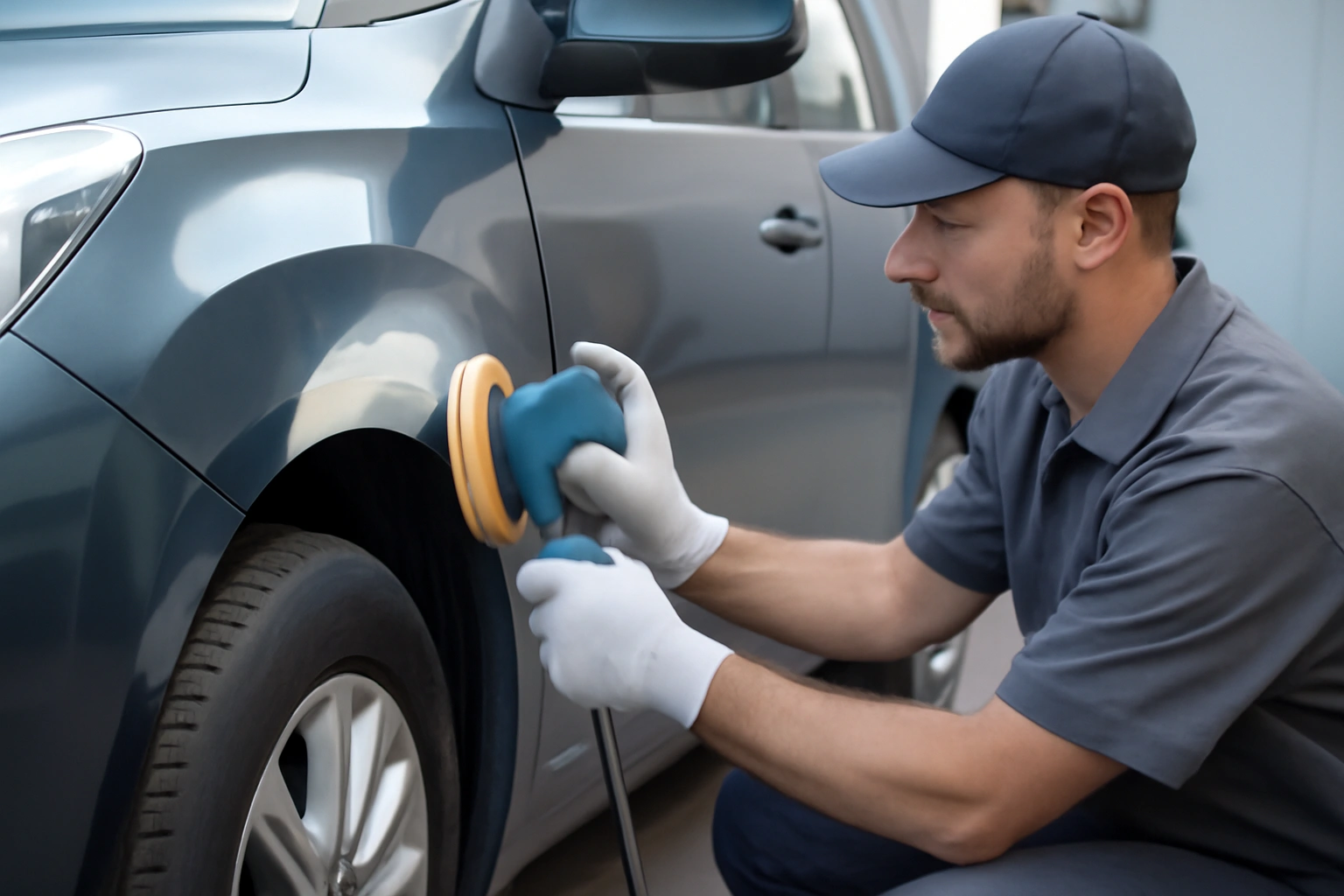
- Scratch and blemish removal: Polishing or repainting problem areas
- Frame and panel alignment: Using laser tools and precision machinery
15% higher costs are common for luxury or electric vehicles due to specialized parts and finishes.
Step-by-Step Repair Process
You’ll typically see these stages in a professional repair:
- Diagnostics and assessment: Technicians examine the damage and price out solutions
- Estimate approval: The shop provides a clear estimate, often with itemized costs for labor and materials
- Preparation: Masking, sanding, and cleaning the affected area
- Paint application: Multiple coats for a lasting, color-matched finish
- Finishing and quality checks: Polishing and reviewing the job for perfection
Shops with certified technicians and advanced tools ensure every detail meets safety and appearance standards.
What Sets a Trusted Dallas Body Shop Apart
When choosing a repair center, look for:
- Certification (like ASE or OEM approval)
- A clean, organized shop environment
- Detailed, transparent estimates and clear communication
A shop that stands by its craftsmanship—and backs it with a warranty—gives you peace of mind and lasting value.
You wouldn’t let just anyone repaint your home, so don’t settle for less with your car.
If your car is in the Dallas–Plano area, our own auto body repair shop in Dallas handles every job priced in this guide — collision, dent, bumper, panel and paint work — with a free written estimate and a one-year parts and labour warranty.
For more on what paint work body shops provide, visit: Do Body Shops Fix Paint? Services Explained
Quality, transparency, and expertise are the foundation of a lasting repair—and the confidence you feel driving away.
Common Types of Damage and Repair Approaches
Identifying Minor Cosmetic Repairs
Most car owners encounter minor cosmetic damage—think scratches, stone chips, tiny dents, or isolated paint blemishes.
These types of issues can often be fixed with:
- Paintless dent removal (PDR): Ideal for small, shallow dents; costs usually $50–$150 per dent.
- Localized touch-ups and chip repair: Targeted paint fixes for chips or scratches are typically $60–$250 per area.
- Buffing and polish: Light scratches and blemishes may vanish with a professional buff, landing at the lower end of the price spectrum.
“PDR is a fast, affordable solution for superficial dents—think parking lot dings that didn’t break the paint.”
It’s best to select minor repairs when the damage is surface-level and hasn’t exposed the metal or affected underlying panels, as this preserves your factory finish and keeps repair costs low.
When Moderate and Major Repairs Are Necessary
If the damage involves collision dents, misaligned panels, or larger scrapes (such as those from a fender bender), you’re looking at moderate to major repairs.
The process generally includes:
- Assessment: Skilled techs diagnose the damage (with digital imaging for accuracy).
- Part sourcing: Original or OEM-matched parts are ordered if needed.
- Repair or replacement: Panels may be straightened, patched, or exchanged.
- Seamless paint blending: Ensures new finishes match original color, crucial for resale.
Costs reflect the scale:
- Panel repair/replacement: $250–$1,500 per panel.
- Bumper repair/replacement: $300–$2,500, with luxury vehicles topping the range.
- Structural/frame repairs: Start at $800 and can hit $10,000+ for severe collision cases.
“Quality repairs begin with accurate estimates—never settle for vague ballpark figures.”
The Value of Transparent, High-Quality Repairs
With paint and parts costs up 7.4% in 2025, paying attention to quality and clarity is more important than ever.
Always:
- Request a detailed, written estimate itemizing labor, materials, and any parts.
- Ask about warranties and guarantees on repair work—especially important for maintaining your vehicle’s value.
- Choose shops with certified technicians and professional-grade equipment for results that last.
Picture this: A skilled Dallas repair team reviews your car, gives you a step-by-step estimate, and returns your vehicle looking showroom-new—that’s the service standard to expect in 2025.
The essential takeaway: Minor damage means quick, affordable fixes. Major repairs demand transparency, skilled technicians, and a detailed approach—never choose on price alone.
Paint Job Options: From Touch-Ups to Full Resprays
What Paint Services Include
When it comes to car paint repair, drivers have three main options, each designed for different needs and budgets.
- Spot touch-ups treat scratches or small chips, typically using exact-match paint applied to targeted areas.
- Partial resprays cover larger sections like a door or bumper, blending new paint seamlessly into adjacent panels.
- Full body paint jobs involve repainting the entire vehicle, ideal for major makeovers or restoring faded finishes.
A basic paint job uses single-stage enamel with minimal prep, offering an economical solution—expect a shorter lifespan as a tradeoff.
Mid-tier services include multi-coat finishes and clearcoat protection, creating a more durable, professional look.
Step up to a premium/custom respray if you want showroom-level gloss, metallic or pearl effects, or a unique color—these jobs involve extensive prep and the best materials available.
“Think of a premium respray as the automotive world’s version of a designer suit: tailored, eye-catching, and built to last.”
2025 Paint Job Cost Overview
Here’s what you can expect to pay for common paint repair types in 2025:
| Service Type | Typical Cost Range | What’s Included |
|——————————-|———————–|——————————————————|
| Touch-up | $150–$250 | Small, local areas, color-matched, quick in/out |
| Partial respray (panel) | $400–$1,200 | Panel or bumper, blending, moderate prep |
| Basic full respray | $1,000–$1,500 | Single-stage, minimal prep, even finish |
| Mid-tier full respray | $2,000–$5,000 | Multi-coat, clearcoat, durable, professional result |
| Premium/custom respray | $5,000–$10,000+ | Premium coatings, advanced prep, unique finishes |
Translation for Dallas drivers: a premium respray for a luxury SUV can top $10,000, especially if custom colors or advanced finishes are chosen.
What Impacts Your Paint Job Cost?
Several factors determine your final price:
- Vehicle size and style: Larger or uniquely shaped vehicles require more paint and prep.
- Paint quality and color: Metallics, pearls, and custom colors cost more—premium paints bring better results.
- Prep work: More dents, dings, or prior paint damage mean more time—and money—spent on surface prep.
- Shop rates and location: Expect higher prices in metro Dallas compared to rural shops due to labor and material costs.
Industry stats for 2025: Paint and materials are up 7.4% compared to last year due to supply chain pressures. Luxury and electric vehicles typically run 15%+ higher due to specialized parts and finishes.
“Quality in your paint repair isn’t just about the finish—it’s about preserving your car’s value for years to come.”
Get What You Pay For
A basic job may look good at first, but durability and color match matter—especially if you plan to keep your car long-term.
For an in-depth breakdown of the full body repaint process, see our specialized guide: [Full Body Repaint Costs for Cars: What to Expect].
The right paint job extends beyond looks: it safeguards your investment, keeps your car looking new, and boosts resale value—choose wisely to get the results your car deserves.
Key Cost Drivers in Paint and Body Repairs
Understanding Parts, Labor, and Materials
When you review your repair quote, you’ll see that over 50% of costs now come from parts—a trend driven by rising prices for components and specialized materials in 2025.
Labor follows close behind, making up about 35% of a typical bill, while advanced paint and materials account for the remaining 15% and continue to climb each year.
Here’s how these categories add up in common repair scenarios:
- Minor scratch repair (2025):
- Parts: Often $0–$30 (if no replacement needed)
- Labor: $60–$150
- Paint/materials: $40–$100
- Major collision repair:
- Parts: $1,200–$4,500+
- Labor: $1,000–$2,500
- Paint/materials: $500–$2,000
Picture this: A small dent repair might feel simple, but behind the scenes, each line item reflects the premium on expertise, specialty coatings, and the precision tools needed today.
“The biggest bill shock often comes from parts and specialty paint—not labor hours.”
The Impact of Location and Shop Type
Your repair bill depends just as much on your zip code as your car model.
In the Dallas metro area, expect pricing near the national average—sometimes higher for high-demand periods or premium shops.
Compare these typical market factors:
- City shops: Higher prices due to increased labor rates, higher overhead, and heavier demand
- Rural shops: May offer lower base rates, but could lack specialized equipment or certifications
- Franchise repair centers: Standardized pricing, recognizable warranties
- Independent shops: Wider pricing range, may offer discounts or flexible service but quality varies
If you’re comparing options across Dallas:
- Ask each shop for a detailed, written estimate
- Review warranty coverage and customer testimonials
- Confirm technician certifications (ASE/OEM)
“Where you go for repairs isn’t just about price—it’s about peace of mind and proven skill.”
Quality Matters: Warranties and Resale Value
Not all repairs are created equal. Choosing certified repair shops can boost your car’s value, provide longer-lasting results, and come with robust warranty protection (typically 1–3 years for labor and materials).
Beware “quick fixes” that skip proper prep or use generic paint—they might save money now, but can hurt long-term value or require repeat repairs.
Key things to look for:
- Clear, written warranties on paint and repair work
- Documentation of all work performed for future resale
- Assurance of color-matched, manufacturer-approved paints
“A documented professional repair is an investment—protecting both your safety and your vehicle’s value.”
No matter the size of your repair, transparent estimates, quality parts, and certified skills are the most reliable way to control costs and ensure your investment lasts.
Insurance, Estimates, and Managing Out-of-Pocket Costs
Navigating Insurance for Paint and Body Work
Understanding when your auto insurance steps in is vital before scheduling any repair.
- Collision coverage pays for repairs after an accident with another vehicle or object.
- Comprehensive coverage covers non-collision damage—think hail, theft, or vandalism.
- Glass insurance specifically handles windshield repair or replacement.
Each policy comes with a deductible and coverage limit, which dictate how much you’ll owe. For example, a $500 deductible means you pay the first $500 of any covered repair—no exceptions.
Claim processing is straightforward:
- Call your insurer and report the damage with photos.
- Get a claim number and choose a reputable repair shop (many Dallas shops work directly with insurers for a smoother experience).
- Review and approve the estimate before work begins.
“A transparent estimate is your best defense against surprise bills.“
Smart Strategies to Control Repair Costs
Don’t just accept the first quote you get—prices for the same repair can vary by hundreds of dollars.
Take these steps for smart savings:
- Always gather at least 2–3 quotes from local shops.
- Request detailed written estimates that outline paint, parts, and labor costs.
- Look for shops offering warranties on both materials and workmanship.
Ask these questions before you commit:
- Is this the full, final price—or can fees be added later?
- What’s the warranty period on repairs?
- Can you see before-and-after photos of similar jobs?
Delaying repairs can backfire—a simple scratch can evolve into rust, which raises your bill by 2-3x. “A minor repair today can prevent a major headache tomorrow.”
Out-of-Pocket vs. Insurance—Making the Right Call
There are scenarios where paying out of pocket beats filing a claim, especially on minor jobs.
For example:
- If your repair costs $400 and your deductible is $500, paying directly means no claim on your record.
- Insurance is best for high-cost repairs like full resprays (average $1,000–$1,500) or major collision work.
Beware of choosing the absolute lowest bid—hidden costs or shortcuts can lower your car’s value or compromise safety.
“Quality repairs aren’t just cosmetic—they protect your investment every mile you drive.”
A few smart steps—checking your policy, getting clear estimates, and asking the right questions—can save you hundreds today and thousands over time. Clear communication and quality-first shops are the Dallas driver’s best tools for stress-free repairs.
DIY vs. Professional Repairs: Risks and Outcomes
Picture this: you spot a tiny scratch or chip on your car’s door and think, “Can I fix this myself?” For very minor chips or small scratches, DIY repair kits can be a cost-saving solution—especially for jobs under $150.
But beyond ultra-basic fixes, the risks of DIY can multiply fast.
Common DIY Pitfalls: What to Watch Out For
Choosing to go it alone often leads to:
- Mismatched colors (especially with today’s specialized automotive paints)
- Uneven finishes that can make minor flaws more noticeable
- No warranty on your work—if the repair fails, you’re on the hook for a redo
- Reduced durability when products or prep aren’t up to shop standards
“Even a small DIY mistake can lower your vehicle’s resale value,” is a real-world warning for Dallas owners keen on protecting their investment.
The Value of Professional Paint and Body Repairs
A professional shop goes beyond quick coverups by offering:
- Skill and advanced tools for precise color-matching (crucial as 2025 paint tech evolves)
- High-quality materials that withstand Texas sun, storms, and time
- Warranties and peace of mind, ensuring lasting results and eliminating costly do-overs
For example, a professional touch-up might cost $150–$250, but includes blending, curing, and inspection for a seamless look—plus durability guarantees.
Smart Decision-Making for Dallas Drivers
Ask yourself:
- Is the damage smaller than a quarter and only in clearcoat or top paint?
- Will I be satisfied with “close enough,” or do I want a factory-quality finish?
- Can I afford a potential redo if my fix doesn’t last or match?
When in doubt or dealing with anything more complex, expert attention is worth every dollar. “Quality repairs save money long-term—amateur work often leads right back to the shop.”
For a deep-dive on cost, risk, and results, see Is Car Paint Repair Worth It? Pros, Cons, and Value.
When your vehicle’s look, warranty, and value are at stake, confidence in your repair decision is essential. The right choice gives you not just a clean appearance but true peace of mind—on Dallas roads and beyond.
Choosing the Right Paint and Body Repair Shop
Dallas-Ready Evaluation Checklist
For Dallas drivers, picking a shop is about more than convenience—it’s about trust and results.
Look for these essentials before you book:
- ASE certification: Ensures techs meet national repair standards.
- OEM approvals: Specialized knowledge for your car brand means better fit and finish.
- Proven Dallas track record: A shop with high local ratings is often the safest bet.
Picture this: You review a sample estimate, spot clear line items, read real customer testimonials, and see a strong warranty upfront. This is how transparent service should feel.
“A clear, itemized estimate is your green light; anything less should make you pause.”
Warning Signs That Should Stop You
Stay sharp for red flags that ruin repairs—and your wallet:
- Unclear or changing pricing
- No written estimate provided
- Pushy upselling that’s not clearly needed
- Technicians without visible certification badges
Before you commit, do a quick online search for recent shop reviews and look for well-documented repair photos. Ask neighbors if they’ve used the shop—word of mouth is powerful in Dallas’ tight-knit communities.
“If a shop shrugs off your questions, take your car (and your money) elsewhere.”
Balancing Price, Quality, and Service
A great repair shop nails all three:
- Reasonable pricing that matches market averages ($250–$1,500 per panel for repairs in 2025)
- High-quality parts and paint, with clear warranty details
- Fast, honest updates throughout the repair process
For true peace of mind, visit at least two shops before deciding. Compare their estimates, ask about paint brands, and review completion timelines—basic jobs take 1-2 days; premium resprays, up to 2 weeks.
A quick review: Choose a shop with visible credentials, clearly written estimates, and real-world Dallas reviews. If something feels off, trust your gut. Your vehicle—and your wallet—will thank you.
Special Topics: Innovative and Niche Repair Methods
Paintless Dent Removal and Specialized Techniques
Paintless dent removal (PDR) has become the go-to solution for fixing small dings and creases—especially when the paint remains intact. This process is ideal for door dings, hail damage, or minor bumps where the vehicle’s original finish isn’t broken.
With PDR, technicians use specialized tools to gently massage out the dent from behind the panel, preserving your factory paint. In Dallas, PDR costs typically range from $50 to $150 per dent, making it remarkably cost-effective compared to traditional bodywork.
Key benefits of PDR include:
- No need for paint or fillers, maintaining the original look
- Quick turnaround—often same day for minor dents
- Budget-friendly option for simpler damage
However, PDR isn’t a fix-all. Deep dents, sharp creases, or areas with chipped paint may not be viable candidates, requiring more involved repairs.
High-Tech, Custom, and Eco-Friendly Solutions
Beyond PDR, body shops now offer high-tech and custom solutions that cater to owners of luxury, electric, and specialty vehicles. Picture this: you want a show-stopping metallic finish, precise color-match for a rare paint code, or a sustainable eco-friendly coating—2025’s options bring all of these within reach.
- Computerized color-matching ensures new paint blends invisibly with the original, eliminating mismatched panels
- Custom and premium finishes (like pearlescent, matte, or multistage metallics) may add $2,000–$5,000+ to the cost of a respray
- Eco-friendly water-based paints are gaining traction, offering durability and fewer emissions—ideal for those who value sustainability
Technicians at shops like ChipsAway are expanding their service menus to include spot repairs, alloy wheel touch-ups, and even some paintless repairs—though always ask if your specific damage is a fit (see: Can ChipsAway Repair Dents Without Painting?).
Shareable Insights and Visual Highlights
- “High-tech color-matching means no one will ever spot your repair—except you.”
- “With paintless dent removal, your car can be back to showroom shape by the end of your lunch break.”
- “Custom finishes aren’t just for dream cars—they’re a statement for Dallas drivers who want to stand out.”
Dallas vehicle owners can leverage both innovative techniques and trustworthy repairs to protect both their car’s value and their wallet. The smartest move? Get clear advice on which method suits your car’s damage—and ask about both eco and custom options if you want something truly unique.
Conclusion
Navigating car paint and body repair costs in 2025 doesn’t have to be overwhelming. When you know what drives pricing—and how to spot professional craftsmanship—you unlock real savings and long-term value for your vehicle.
The difference between a lasting repair and a costly headache often comes down to your next move. Transparency, expert skills, and the right questions are your tools for control and confidence.
—
Key Takeaways:
- Always request a clear, written estimate that breaks down labor, materials, and parts before approving any repair.
- Choose certified body shops—look for ASE or OEM credentials—to ensure your car gets skilled attention and a robust warranty.
- Compare at least two shops in the Dallas area, using reviews and before/after photos to gauge real-world results.
- Don’t delay small repairs—tackling scratches or dents early prevents higher costs down the line.
- Ask about modern repair options like PDR or water-based paints if you want efficiency or eco-friendliness.
—
Immediate Next Steps:
- Review your insurance policy to understand coverage before visiting a shop.
- Collect and compare estimates from local, credentialed repair centers—bring specific questions.
- Inspect each shop for cleanliness and professionalism—a tidy shop often reflects quality work.
- Document all repairs and save warranties to protect your car’s value at resale.
—
A professional repair isn’t just about restoring appearances—it’s about driving with confidence. Your commitment to quality service today is an investment in peace of mind for every mile ahead.
Your car deserves expert care, transparent pricing, and long-lasting results—make every choice count. In Dallas, trusted repair starts with you.
FAQs
1. What affects car paint and body repair costs the most in 2025?
The biggest factors influencing car paint and body repair costs in 2025 include parts availability, labor rates, paint type, and your vehicle’s make and model. For example, luxury and electric vehicles often cost 15% more to repair due to specialized parts and finishes. Choosing certified Dallas shops ensures your investment receives the right care at a fair price.
2. How much should I expect to pay for car paint and body repair in Dallas?
In Dallas, car paint and body repair costs typically range from $150 for minor touch-ups to $10,000+ for full resprays or structural repairs. Most mid-range services—like bumper resprays or panel repairs—fall between $400 and $1,500. Always compare at least two certified estimates before deciding.
3. Is it worth paying for professional car paint and body repair instead of DIY?
Yes. Professional technicians ensure car paint and body repair costs lead to lasting results, color accuracy, and warranty protection—something DIY kits rarely deliver. Professionals use manufacturer-approved paints and tools, preserving your vehicle’s value and appearance long-term.
4. How can I reduce my car paint and body repair costs without compromising quality?
To lower your car paint and body repair costs, compare estimates, ask about shop certifications (ASE or OEM), and look for warranties that protect your investment. Avoid “budget” repairs that skip prep work—poor-quality fixes can cost you more later. For in-depth repair insights, see this automotive care resource for professional guidance.
5. How can I schedule a car paint and body repair consultation in Dallas?
Scheduling your repair is easy—visit our Contact Us page to book an appointment or request a detailed quote for your car paint and body repair costs (2025). Our Dallas repair specialists provide transparent pricing, expert diagnostics, and certified results you can trust.