
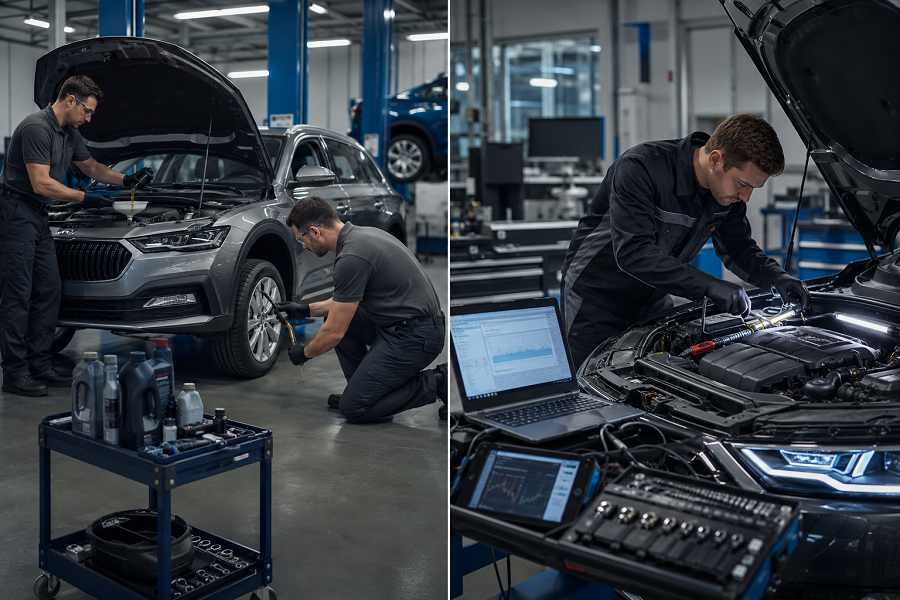
Understanding the differences between auto service and auto repair is essential for Dallas drivers aiming to keep their vehicles dependable and budgets under control. Here are the most actionable insights to help you make smarter maintenance and repair decisions, protect your investment, and drive with greater confidence.
- Auto service is your preventive shield—sticking to the manufacturer’s schedule for oil changes, inspections, and fluid swaps reduces breakdown risk by up to 45% and extends your car’s life by tens of thousands of miles.
- Auto repair fixes what’s broken—from failed starters to engine warning lights, repairs kick in when trouble strikes and can cost up to 5–10x more than routine service if maintenance is neglected.
- Complete service records add real value—cars with documented maintenance history can command up to 20% higher resale prices and are more likely to retain warranty coverage.
- Choose providers based on expertise, transparency, and fit—dealerships excel with newer, tech-heavy cars; national chains are great for quick, routine care; independents offer personalized service at lower costs; mobile mechanics bring repairs to your door for ultimate convenience.
- Prioritize certified and reputable shops—look for ASE certifications, outstanding reviews, and clear communication to ensure honest service, accurate estimates, and peace of mind every visit.
- Understand your estimate before authorizing work—demand a written, itemized breakdown for both scheduled services and urgent repairs, and don’t hesitate to ask questions about costs, parts, and recommendations.
- Invest in preventive maintenance, not just repairs—allocating $350–$750 per year for scheduled service can save you thousands and keep expensive surprises at bay.
- Leverage digital tools and reminders—tracking service milestones and using apps for maintenance logging makes it easy to stay on schedule, boost warranty protection, and simplify future repairs.
By following these key strategies, you’ll keep your car running smooth, your costs predictably low, and your Dallas commute worry-free—explore the complete guide for deeper tips and expert details.
Understanding Auto Service vs Auto Repair in 2026
Ever paid $70 for an oil change—then dodged a $4,000 engine disaster months later? You’re not alone; routine auto service can cut your risk of major repairs by up to 40%, yet so many drivers only think about their car when something breaks.
Imagine this: you’re cruising down LBJ, confident in your ride, when suddenly a dashboard light throws your plans into chaos. Was it preventable, or is it just time for repairs?
Understanding the difference between auto service (proactive care) and auto repair (urgent fixes) is more than shop talk—it’s your best strategy for avoiding breakdowns, unexpected expenses, and stress.
The stakes are high for every Dallas driver:
- Regular service means predictable costs, better resale value, and peace of mind every mile
- Repairs can strike without warning, bringing both inconvenience and hefty bills
- The right timing and provider can extend your car’s life by up to 30,000 miles and protect vital warranties
But with electronic dashboards, hybrid tech, and evolving shop options, knowing when to schedule service vs. when to request a repair isn’t always clear. And making the wrong move? It can cost you—in time, money, and reliability.
In this comprehensive guide, you’ll:
- Spot the key differences between service and repair, so you never overpay or delay what matters most
- Learn smart habits and milestones to maximize your car’s life and minimize surprises
- Discover real Dallas pricing, transparent estimates, and trusted provider tips to keep your budget and schedule on track
- Find out how today’s technology and honest mechanics work together to deliver expert auto care, exactly when you need it
Curious if your next visit should be a quick tune-up or a critical fix? Let’s clear the confusion and put you back in control—starting with what really sets auto service apart from auto repair.
Core Differences: Auto Service vs Auto Repair
Auto service and auto repair aren’t the same thing—they solve very different needs for your vehicle.
When you see auto service, think of it as your car’s health routine: scheduled preventive maintenance designed to keep your vehicle running at its best.
Auto repair, on the other hand, is the corrective action taken when something breaks, wears out, or malfunctions—solving problems after they happen, not before.
What Each Involves: Service vs. Repair
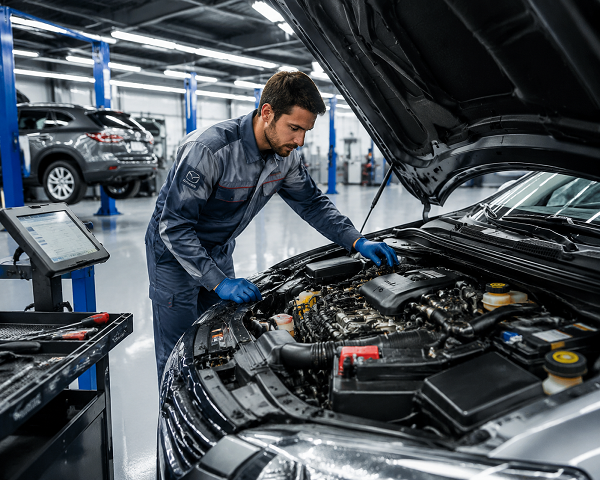
Understanding Auto Service vs Auto Repair starts with knowing what each process includes. Routine auto service focuses on preventive maintenance designed to keep a vehicle operating efficiently and reduce the likelihood of breakdowns. In contrast, auto repair addresses existing problems that affect performance, safety, or reliability. Knowing the difference helps drivers make informed decisions about vehicle maintenance, reduce long-term costs, and maximize the lifespan of their vehicles.
Common auto service activities include:
| Auto Service Activity | Purpose |
|---|---|
| Oil and Filter Changes | Performed every 5,000–10,000 miles to lubricate engine components, reduce wear, and maintain engine performance. |
| Tire Rotations and Balancing | Promotes even tire wear, improves handling, and extends tire lifespan. |
| Safety Inspections and Checks | Evaluates critical systems such as brakes, lights, tires, and steering to ensure safe operation. |
| Fluid Replacements | Includes coolant, brake fluid, and transmission fluid to maintain system efficiency and prevent component damage. |
| Battery Testing and Belt/Hose Replacement | Identifies weak batteries and worn belts or hoses before they cause breakdowns. |
These are scheduled per your owner’s manual—not because anything’s broken.
Typical auto repair tasks include:
- Running check engine diagnostics and fixing warning lights
- Replacing a failed starter, alternator, or water pump
- Correcting brake failure (warped rotors, stuck caliper)
- Addressing electrical issues, leaks, or engines that won’t start
Repairs happen after a symptom shows up—think strange noises, loss of power, or dashboard alerts.
Purpose and Timing: Prevent vs. Correct
Picture this: You bring your car in at 30,000 miles for routine service—oil change, tire rotation, inspection. Everything works smoothly, and you avoid major issues.
A few months later, your car stalls in traffic. Now you need repair—a technician finds a failed alternator. Service would have caught the signs earlier; repair brings you back to road-ready after the fact.
- Service keeps vehicles reliable and efficient
- Repair gets you back on the road after a problem
According to real-world search data, scheduling service can reduce the risk of costly breakdowns by up to 40%.
Why It Matters: Takeaways for Busy Drivers
- Auto service is preventive, following a schedule
- Auto repair is corrective, responding to a fault
“Think of service as your car’s best defense—and repair as your emergency response.”
“Don’t wait for trouble; a well-timed oil change today could save you from a broken engine tomorrow.”
Knowing when to service vs. repair your car means less time in the shop—and more confidence every time you turn the key.
How Service and Repair Work Together
Regular auto service is your front line against expensive breakdowns.
Scheduling simple maintenance tasks—like oil changes and tire rotations—helps identify and prevent issues long before they become costly surprises. In fact, industry data shows that consistent service can reduce the risk of major repairs by up to 45% over a five-year period.
Think of it as an investment: every visit adds peace of mind and long-term savings.
Why Preventive Service Matters
Picture this: a $70 oil change now can protect you from a $4,000 engine replacement later.
When brake pads are replaced at scheduled intervals, you avoid rotor damage, which can turn a $200 brake service into a $1,000+ repair job.
Here’s how smart maintenance choices pay off:
- Timely oil changes keep engine parts clean, preventing wear and overheating.
- Routine brake checks catch issues before you face sudden, dangerous failures.
- Fluid replacements (coolant, transmission) ensure smooth performance and longest possible component life.
Quote for sharing: “A $100 service today can save you thousands tomorrow.”
The High Price of Skipping Service
Ignoring routine service comes with real, measurable risks:
- Up to 45% higher odds of breakdowns or emergency repairs
- Shortened vehicle lifespan by as much as 30,000 miles
- Possible voided warranties if required service intervals are missed—especially critical for new vehicles
Expert recommendations consistently highlight that good maintenance records are key to protecting both warranty coverage and your vehicle’s resale value. Skipping intervals doesn’t just cost money—it can impact safety, reliability, and your bottom line.
Quote for sharing: “Deferred maintenance is the #1 cause of preventable vehicle failure.”
Service History = Value
A strong service history is more than paperwork—it’s proof your car has been cared for.
Used car buyers often pay up to 20% more for vehicles with complete maintenance records. Lenders and insurers may even offer better terms for well-documented cars.
Quote to remember: “Maintenance today, confidence tomorrow.”
When you treat regular service as non-negotiable, you reinforce your car’s reliability, cut lifetime costs, and build a partnership with your auto care provider that pays dividends for years to come.
Understanding Costs: Auto Service vs Auto Repair in 2026
When comparing Auto Service vs Auto Repair, understanding the financial differences is essential for vehicle owners. While vehicle maintenance services focus on preventing breakdowns through routine care, car repair services address existing mechanical or electrical issues that require immediate attention. Factors such as automotive maintenance costs, labor rates, vehicle age, parts availability, and repair complexity all influence what you can expect to pay. Evaluating both preventive auto service and professional auto repair expenses helps drivers budget effectively, extend vehicle lifespan, and reduce the risk of costly unexpected breakdowns.
Scheduled Maintenance Costs
Think of auto service as your vehicle’s regular “health check”—more frequent, but straightforward to budget.
In Dallas, you’ll find:
- Oil changes: $55–$100
- Tire rotations: $30–$60
- Fluid replacements (brake, coolant, transmission): $100–$200 each
National pricing stays close, with dealers sometimes charging 10–25% more.
Most shops offer menu pricing for bundled packages—like a “30,000-mile service” ranging $250–$600, covering inspection, filter changes, and fluid swaps.
Service intervals come up every few months or 5,000–10,000 miles, so total annual maintenance often runs from $350–$750, depending on vehicle age and usage.
“Scheduled service keeps costs predictable and helps you plan ahead—no costly surprises.”
Regular maintenance is the foundation of vehicle reliability and lower ownership costs. Services such as oil changes, filter replacements, fluid checks, and Auto Tune-Up Services help improve fuel economy, reduce unexpected breakdowns, and extend engine life. Drivers who stay on schedule often spend significantly less on repairs over the long term while maintaining better vehicle performance.
Repair Costs and Variability
Auto repairs hit back when something fails, and costs swing wildly based on what goes wrong.
Picture this:
- Replacing a starter or alternator: $400–$900
- Timing belt or water pump jobs: $700–$1,500
- Electronic diagnosis or hybrid battery issues: $125–$350 just to find the cause, repairs ranging into the thousands
Newer cars often mean steeper bills—advanced tech, sensors, and EV systems demand more skill and pricier parts.
Unlike routine service, repairs tend to strike unexpectedly and can sideline your car for days, causing major inconvenience.
“Repairs always cost more than you think—especially as vehicle technologies become more complex.”
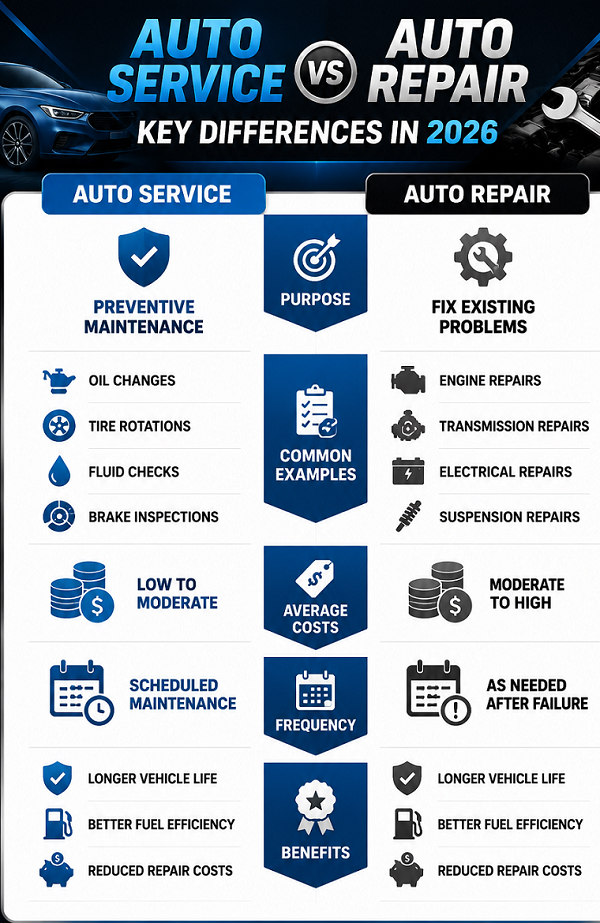
Service vs. Repair: Long-Term Financial Impact
Preventive service isn’t just convenience—it’s true cost control.
Industry data shows:
- Well-maintained vehicles can have 30–50% fewer major repairs over a 5–7 year period
- Total cost of ownership drops by thousands of dollars compared to neglected vehicles
Here’s how to keep money in your pocket:
- Stick to your owner’s maintenance schedule
- Save every receipt for service—this can protect your warranty and hike up resale value
- Separate estimates for service and repair so you can see where your dollars go
“To save more and stress less, preventive care beats reactive repairs every time.”
Make regular service part of your yearly routine, know what to expect for major repairs, and always ask shops to spell out costs clearly—your wallet and your car will thank you.
Where to Go: Types of Auto Service and Repair Providers
Choosing the right provider is an important part of the Auto Service vs Auto Repair decision. Different facilities offer varying levels of expertise, pricing, equipment, and warranty coverage. Whether you need routine vehicle maintenance, specialized car repair services, or advanced diagnostics, understanding the strengths of each provider can help you receive quality service while managing auto maintenance costs effectively. Comparing dealerships, independent shops, and specialty repair centers ensures your vehicle receives the right care at the right time.
Dealership Service Centers
Dealerships are the go-to choice for advanced diagnostics, warranty repairs, and manufacturer recalls.
- Factory-trained technicians specialize in your vehicle’s brand.
- Use genuine OEM parts, preserving warranty coverage and resale value.
- Expect higher costs—the average scheduled service at a Dallas dealership can run 20–40% more than independents.
- Best for newer vehicles, vehicles under warranty, and complex issues tied to your car’s technology.
“Picture this: Your hybrid’s check engine light appears—dealership techs have the latest software, so you’re back on the road with confidence.”
Key takeaway: Choose a dealership for high-tech problems, recall fixes, and peace of mind on newer vehicles.
—
National Chains and Franchise Shops
National brands focus on routine maintenance and quick-turn repairs at competitive, upfront prices.
- Menu pricing for services like oil changes ($40–$75), tire rotations, batteries, brakes, and alignments.
- Extended hours and multiple locations make scheduling easy.
- Service is standardized—expect predictable results and digital records.
Quotable insight: “Consistency, convenience, and cost—chain shops are your maintenance MVP.”
Fit: Ideal for routine upkeep, minor repairs, and drivers who value efficiency.
—
Independent Garages
Local shops combine affordability, flexibility, and personalized care.
- Often 10–30% less expensive than dealers for common repairs.
- Handle everything from oil changes to full-engine work.
- Build long-term relationships, offer transparent advice, and support Dallas’s small business scene.
- Can be limited on warranty-specific or cutting-edge manufacturer repairs.
Visual moment: “Imagine your mechanic greeting you by name, talking through your options, and treating your car like their own.”
—
Mobile Mechanics and On-Demand Services
Mobile repairs deliver ultimate convenience for busy Dallas drivers.
- Schedule oil changes, battery swaps, or minor repairs at home or work.
- Average service time: 60–90 minutes, no waiting room.
- Growing 12% year-over-year in Texas, with high ratings for service speed and transparency.
- Not suited for major engine work, electrical faults, or recalls.
Shareable tip: “Skip the shop—have a certified mobile mechanic come to you when your day can’t be interrupted.”
—
Choosing the Right Provider: Strategic Considerations
Pick your provider with these essentials in mind:
- Certifications: Look for ASE badges and manufacturer credentials.
- Reputation & transparency: Check online reviews and request upfront estimates.
- Customer experience: Trust your gut—shops should answer questions clearly and respectfully.
Decide based on vehicle age, service complexity, warranty coverage, and lifestyle needs.
Explore our “Choosing the Right Auto Repair Shop: Complete Guide” for step-by-step strategy.
—
Finding the right shop isn’t just about price—it’s about trust, expertise, and fit for your needs. Know what each provider does best, and use their strengths to keep your car safe, your budget steady, and your Dallas commute worry-free.
The Professionals: Service Technicians vs. Mechanics
You’ll see both “service technician” and “mechanic” at Dallas auto shops in 2026, but what’s the real difference?
Think of technicians as the modern auto experts—trained to diagnose, program, and troubleshoot the latest vehicle systems, while mechanics are the hands-on specialists skilled at physical repairs and part replacements.
What’s in a Title? Technician vs. Mechanic
The distinction comes down to focus and training—but you’ll find plenty of overlap.
Here’s how most shops use these terms now:
- Technicians
- Tackle diagnostics and advanced electronics
- Work with modern computer systems and drivability issues
- Stay current with software, sensors, and hybrid/EV tech
- Mechanics
- Focus on hands-on repairs like brakes, suspension, and engine
- Handle routine service and mechanical troubleshooting
- Often have years of direct experience turning wrenches
Pro tip: “Technician” is on the rise because today’s vehicles are rolling computers—these skills are in high demand.
—
Evolving Skills for the Cars of 2026
Today’s vehicles rely on over 100 million lines of code and complex electronics—a big jump from a decade ago.
A modern auto pro must master:
- Digital diagnostics tools
- Data-driven maintenance platforms
- Hands-on repairs for both traditional and electric powertrains
- Continuous learning to keep up with shifting tech and repair methods
Almost 90% of repair facilities now require ASE or manufacturer-specific certifications, signaling that skill and ongoing training matter more than ever.

What Really Matters: Competency, Reputation, Trust
Forget labels—focus on the shop’s and technician’s real capabilities.
Look for:
- Current certifications (ASE, manufacturer training)
- Clear reviews and reputation in your area
- Transparent estimates and a willingness to explain required work
- Professionalism in communication and follow-up
Picture this: You walk into a sunlit waiting area, see badges on the wall, and listen as your technician describes your car’s repair in plain terms—it’s confidence you can feel and trust.
—
The badge or job title is just the start—choose a shop where real expertise, ongoing education, and trust come standard.
If you want peace of mind on every drive, prioritize a provider’s skills, honesty, and reputation above all else.
Deciding What You Need: Service or Repair?
Knowing when your car needs routine service or an urgent repair can save you time, money, and stress.
Your first clue is often mileage: manufacturers recommend oil changes, inspections, and fluid swaps every 5,000 to 10,000 miles—a proactive step to keep everything running smoothly.
If your car feels normal and you’re on schedule, it’s time for service.
—
Key Indicators for Service or Repair
It’s wise to watch for clear indicators before scheduling your next visit:
- You need service if:
- Your mileage or time interval matches the owner’s manual
- The shop recommends maintenance (oil, brakes, fluids), but your car has no symptoms
- You want to preserve warranty coverage or improve resale value
- You need repair if:
- Dashboard lights stay on (check engine, ABS, battery, etc.)
- You hear new noises—grinding, squealing, rattling, or knocking
- You notice leaks, burning smells, vibrations, or your car won’t accelerate or start
- You fail a state inspection or emissions test
Picture this: You stop for a routine oil change, but the technician finds a slow coolant leak—now your visit covers both preventive service and necessary repair in one trip.
—
The Dual Visit Advantage
Combining services is common—most Dallas drivers address routine service and new issues together.
- For example:
- Oil change (scheduled service)
- Plus: diagnose a new engine warning light (potential repair)
- Or: tire rotation (service) with brake noise investigation (repair)
This saves time and ensures nothing gets missed.
—
Simple Decision Tool for Car Owners
Not sure what to book?
Use this easy rule:
- Is your car acting up?
- Yes: Book a repair or inspection ASAP
- No: Go by your scheduled maintenance (owner’s manual or digital reminder)
- Can you drive safely?
- No: Don’t delay—request a repair immediately
- Yes: Service can protect against future issues
Find more tips in our Preventive Maintenance Guide and, for trouble symptoms, check our Common Auto Problems and How to Solve Them.
—
Regular service keeps your car healthy; urgent repairs restore it when something’s wrong.
The best takeaway? If in doubt, ask for a dual estimate: “What’s recommended for routine service, and what requires immediate repair?”—then you’ll always know you made the right car care call.
Maximizing Car Care: Maintenance Strategies and Preventive Advice for 2025–2026
A proactive approach to vehicle ownership is essential when considering Auto Service vs Auto Repair. Regular preventive car maintenance helps identify minor issues before they develop into costly breakdowns, reducing overall auto maintenance costs and improving reliability. By following a consistent maintenance schedule, drivers can extend vehicle lifespan, improve fuel efficiency, enhance safety, and minimize the need for major automotive repair services. Understanding the value of routine vehicle maintenance empowers car owners to protect their investment while avoiding unexpected repair expenses.
Embracing Preventive Maintenance
Following the manufacturer’s maintenance schedule isn’t just a suggestion—it’s the single most effective way to avoid expensive breakdowns and keep your car running reliably into the future.
Picture this: an oil change every 5,000 miles protects your engine from sludge that can cause thousands in repairs. Digital service reminders and maintenance-tracking apps now make it easy to schedule, document, and never miss a service, boosting both warranty coverage and resale value.
Smart habits for busy car owners include:
- Keeping a digital or physical log of all maintenance
- Pre-booking next service before you leave the shop
- Acting quickly when a service reminder or warning light comes up
Quote it: “A well-documented service history is the new passport for your car’s health—and its value.”
—
The 30-60-90 Rule and Maintenance Milestones
The 30-60-90 rule: Service at 30,000, 60,000, and 90,000 miles isn’t optional—it’s essential.
Each milestone typically includes:
- Oil and filter changes
- Fluid replacements (coolant, transmission)
- Major inspections (belts, hoses, brakes)
For hybrids and newer vehicles, factory schedules may add battery or software checks every 15,000–30,000 miles. Staying on track with these milestones is proven to delay costly repairs and maximize reliability.
See our sub-page: [What Is the 30-60-90 Rule for Cars? Explained.]
Standout advice: “Skipping a milestone is like missing a health checkup—problems only get bigger.”
—
DIY vs. Professional Service Considerations
Some owners handle basics like:
- Changing wiper blades or air filters
- Checking tire pressure
- Swapping out lightbulbs
DIY saves money but comes with risk—incorrect repairs can void warranties or compromise safety. Any work involving electronics, brakes, or factory calibration should be handled by trained, certified professionals.
Use our guide, [DIY Auto Repair vs. Professional Services Compared], for a clear breakdown.
Shareable tip: “If you need a specialty tool or YouTube tutorial, call a pro first.”
—
Maximize your car’s lifespan and minimize surprise costs by sticking to a maintenance schedule, tracking milestones, and knowing when to rely on professional expertise—smart, preventive care always pays off.
Understanding Parts and Repair Technologies
Modern vehicles rely on increasingly sophisticated components and diagnostic systems, making parts selection a crucial factor in the Auto Service vs Auto Repair process. Whether you’re scheduling routine vehicle maintenance or investing in major automotive repair work, understanding the differences between replacement parts and repair technologies can impact performance, reliability, warranty coverage, and long-term auto maintenance costs. Making informed choices helps ensure your vehicle receives quality car repair services that balance value, durability, and manufacturer specifications.
OEM vs. Aftermarket Parts: What’s Best for Your Vehicle
Choosing between OEM (Original Equipment Manufacturer) and aftermarket parts directly affects your car’s performance, warranty, and long-term costs.
OEM parts:
- Are designed by your car’s manufacturer for precise fit and tested reliability
- Maintain warranty coverage and are usually backed by a longer parts guarantee
- Tend to cost 15–60% more than equivalent aftermarket parts
- May require ordering/wait times—less readily available for older models
Aftermarket parts:
- Made by third-party manufacturers with mixed quality varieties
- Typically cost less, sometimes up to 50% savings compared to OEM
- Can offer equal or even improved performance, but quality depends on the brand
- Vast selection, increased availability for quick repairs
When deciding, consider:
- Your warranty status—using aftermarket parts may affect coverage
- Vehicle age and usage; OEM for newer or luxury cars, aftermarket for older models or non-critical repairs
- Local regulations and shop recommendations, especially as new regulations are expanding standards for aftermarket part safety and data integration
- Ask your service advisor for real-world performance comparisons before you agree to a part
“Not all parts are created equal—your choice shapes quality, cost, and even resale value.”
Innovations in Auto Repair for 2025–2026
Today’s Dallas drivers are witnessing a leap forward in auto repair technology designed for both convenience and accuracy.
Recent advances include:
- Next-gen scan tools and computerized diagnostics that pinpoint issues in seconds
- Digital service logs that track your full maintenance and repair history in the cloud
- Remote support via smartphone apps, connecting you with experts instantly
- EV-specific maintenance tools for hybrid and electric vehicles, meeting a 36% rise in Dallas EV registrations since 2024
Picture this:
Your car flags a dashboard code, your shop’s system alerts you and schedules service through an app—no calls needed.
These technologies mean:
- Faster, more precise repairs
- Less time in the shop
- New transparency: you can track every step of your vehicle’s care digitally
“The best repair experience is now a blend of expert hands and smart technology—your car, seen, serviced, and protected.”
Staying informed about your parts options and the latest shop technologies puts you in the driver’s seat—choose parts and services that match your needs for reliability, cost, and peace of mind.
Navigating Estimates, Pricing, and Transparency
Understanding pricing is a critical aspect of Auto Service vs Auto Repair. Whether you’re scheduling routine vehicle maintenance or facing unexpected automotive repair needs, knowing how estimates are prepared helps you make informed decisions. Transparent pricing allows customers to compare car repair services, evaluate auto maintenance costs, and avoid unnecessary expenses. Reputable service providers clearly explain labor charges, parts costs, diagnostic fees, and recommended repairs so vehicle owners can confidently approve the work that best fits their needs and budget.
How Auto Repair Estimates Work
Understanding your auto repair estimate is essential for both budget and peace of mind.
When you bring your car in, expect this step-by-step process:
- Inspection: A technician evaluates visible concerns and overall condition.
- Diagnostics: For issues like check engine lights, digital tools pinpoint trouble codes.
- Itemized Estimate: The shop provides a written or digital breakdown of parts and labor per job.
- Communication: Many modern shops text, email, or call with estimates before any work begins.
Key factors impacting your final bill:
- The complexity of repair/service requested
- Vehicle make/model (e.g., luxury vs. everyday driver)
- OEM vs. aftermarket parts selection
- Local average labor rates (Dallas rates: $120–$165/hr as of 2026)
Picture this: You’re comparing two brake repair estimates—one uses OEM pads, the other aftermarket. The difference? OEM parts provide brand reliability but often cost 20–40% more.
“The clearest auto repair estimates read like a detailed restaurant bill—every charge clearly defined up front.”
—
Ensuring Honest, Transparent Pricing
To avoid surprises and get the best value, use these clear-cut tactics:
- Always request a written, line-item estimate showing both preventive service and urgent repairs.
- Ask questions: “What’s required vs. recommended?” and “Can you show me the worn part?”
- Watch for add-ons—decline anything unclear or not urgent.
- Keep copies of all service invoices and repairs for warranty protection and future resale.
Imagine scrolling a digital estimate on your phone: each job, part, and labor hour broken out. Clear, bold totals mean no surprises when you pay.
“Transparent pricing builds trust—demand estimates that make sense without guesswork.”
—
Utilizing Industry Standards and Consumer Protections
Shops rely on labor guides and national parts pricing databases to calculate fair estimates. For Dallas car owners, know your rights:
- Estimates must be provided before work begins
- Ask for manufacturer or ASE-certified techs for specialized repairs
- Warranties: Parts and labor guarantees (usually 1–2 years on major repairs) are common—be sure to confirm in writing.
Embracing these standards means you’re prepared for any service conversation, whether at the dealership or your favorite neighborhood garage.
“A well-informed customer is a shop’s best partner—clear estimates and detailed records put you in the driver’s seat.”
—
At a glance: Every great car care experience starts with a transparent estimate, clear communication, and backup documentation. Make these steps a habit, and your future repairs and service visits will always feel manageable and fair.
Strategic Overview: Building a Reliable, Cost-Effective Car Care Plan
Every Dallas driver deserves a car care plan that minimizes surprises and maximizes reliability.
The smartest step? Make regular auto service your default, not an afterthought. Studies show that vehicles maintained on schedule reduce major repairs by up to 45%, extending lifespan and preserving resale value.
Find Your Maintenance Baseline
Start with three essentials:
- Follow your owner’s manual: Schedule service at required mileage points (often every 5,000–10,000 miles).
- Document everything: Keep digital or paper records—dealerships and buyers expect them.
- Prioritize safety items first: Brake inspections, tires, and fluids are non-negotiable.
A picture-perfect moment: Imagine your dashboard warning lights remain off, engine purring, tires gripping the road; that’s the reward for proactive care.
Budgeting and Planning for Service vs. Repairs
Predictable service visits make annual expenses clear—expect $300–$700/year for routine care in Dallas.
But unexpected repairs? They can range from $250 for a starter replacement to well over $1,000 for modern electronics or engine work.
Design your own framework:
- Allocate a monthly “car care fund” for both routine service and the occasional repair.
- Bundle services—opt for packages at 30,000/60,000/90,000 miles to unlock savings.
- Ask for itemized estimates separating service from repair, so you see where your dollars go.
A shareable tip: “Consistent maintenance today is the best insurance against tomorrow’s breakdowns.”
Choosing and Trusting Your Provider
Long-term relationships with a certified, reputable service provider lead to faster repairs, honest estimates, and peace of mind.
Look for:
- ASE certifications
- Stellar online reviews
- Clear communication and transparent pricing
“Trust grows with every honest repair—your mechanic should feel like a partner, not just a provider.”
Leverage your provider’s insight for reminders, warranty guidance, and trend alerts as vehicle tech evolves.
Explore more in-depth: Choosing the Right Auto Repair Shop: Complete Guide and links to preventive maintenance and common auto problem resources.
Building a dependable car care strategy is about planning, transparency, and trusting the experts—your investment in routine service pays off every mile you drive.
Conclusion
Bringing clarity to the world of auto service and repair puts you in control—empowering you with the knowledge to protect your investment, avoid unexpected costs, and enjoy complete confidence behind the wheel.
Every decision you make about your car’s care—whether it’s a routine oil change or a crucial repair—shapes your vehicle’s reliability, safety, and long-term value.
—
Key Takeaways for Dallas Drivers
- Prioritize preventive service to drastically reduce breakdown risk and expensive surprises.
- Document every visit—maintenance records are your ticket to stronger resale value and warranty protection.
- Choose providers who value transparency and expertise; certifications and clear estimates matter.
- Act fast on warning signs—strange sounds, lights, or leaks can’t wait; early attention means smaller bills.
- Bundle services—combining routine and repair tasks saves time and keeps you road-ready.
—
Ready to take charge? Start with these steps:
- Check your owner’s manual now—circle your next service milestone and set a phone reminder.
- Walk through your last receipts—track what’s done and what’s next for your car.
- Pick a trusted, certified provider—book your visit today, and don’t be afraid to ask for a dual estimate.
- Bookmark our guides—the more you know, the stronger your peace of mind.
—
You deserve a car that works for you—not the other way around.
Every mile is smoother when you combine preventive care with smart repair decisions, backed by a team that puts your needs first. Invest in regular service today, and tomorrow’s drive is yours to enjoy—worry-free, mile after mile.
“Great car care isn’t luck—it’s the result of choices made by informed drivers like you.”
For additional vehicle safety information, maintenance recommendations, and recall notices, visit the National Highway Traffic Safety Administration (NHTSA). Their resources help drivers stay informed about vehicle safety standards, manufacturer recalls, and best practices for maintaining safe and reliable transportation.
FAQs
What is the difference between Auto Service vs Auto Repair?
Auto service focuses on routine maintenance such as oil changes, tire rotations, and inspections, while auto repair addresses problems caused by worn, damaged, or malfunctioning vehicle components.
How often should I schedule vehicle maintenance?
Most manufacturers recommend vehicle maintenance every 5,000 to 10,000 kilometers, depending on driving habits, vehicle type, and operating conditions.
Is preventive maintenance cheaper than auto repair?
Yes. Preventive car maintenance is generally much less expensive than major automotive repairs and can help prevent costly component failures.
Can skipping scheduled service lead to expensive repairs?
Absolutely. Neglecting routine maintenance can accelerate wear on critical systems and increase the likelihood of engine, transmission, brake, or suspension repairs.
Should I choose OEM or aftermarket parts?
OEM parts match manufacturer specifications and may preserve warranty coverage, while quality aftermarket parts can offer a more affordable alternative depending on the repair.
Are dealership service centers better than independent repair shops?
Both can provide excellent service. Dealerships specialize in manufacturer-specific vehicles, while independent shops often offer competitive pricing and personalized customer service.
How can I reduce my vehicle maintenance costs?
Following a maintenance schedule, addressing minor issues promptly, maintaining proper tire pressure, and scheduling regular inspections can significantly reduce long-term maintenance and repair expenses.
When should I get an engine diagnostic test?
You should schedule an engine diagnostic test if your check engine light appears, fuel efficiency decreases, unusual noises occur, or vehicle performance changes unexpectedly