
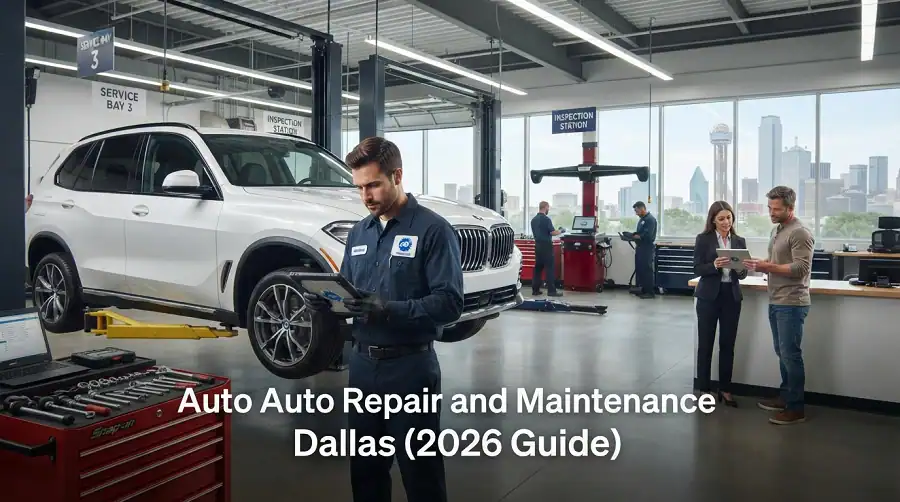
Auto Repair and Maintenance Services Dallas are essential for maximizing vehicle performance, safety, and long-term value. Whether you need routine maintenance, advanced diagnostics, or major repairs, following a proactive service strategy helps prevent unexpected breakdowns, extends your vehicle’s lifespan, and keeps you driving safely. Here are the most actionable insights to help Dallas drivers choose the right repair shop, protect their investment, and keep their vehicles running smoothly year-round.
Here are the most actionable insights to help Dallas drivers and shop owners keep cars—and customers—running smoothly, reliably, and safely.
- Prioritize preventive maintenance to catch wear and tear early, protect warranties, and boost resale value by up to 20% with a clear service history.
- Trusted, ASE-certified technicians and up-to-date diagnostic tools lead to accurate, cost-effective repairs—saving time, money, and future headaches.
- Selecting the right shop based on your needs—from general maintenance to specialized repairs—ensures faster service and lasting satisfaction.
- Following your manufacturer’s schedule keeps your car in peak condition and avoids unexpected breakdowns or voided warranties.
- Routine inspections and multi-point checks spotlight hidden risks and can cut emergency repair odds by up to 50%, per AAA research.
- Proactive owner checks—like tire pressure, fluid levels, and warning lights— can add years of life to your vehicle and prevent minor issues from turning major.
- Clear documentation and honest, written estimates guarantee transparent pricing, help protect your investment, and prevent unpleasant surprises.
- Modern shops thrive with clean, organized spaces, safety-first service, and sustainable waste practices, building trust and long-term relationships with every visit.
Embrace these best practices for worry-free driving and discover why Expert Auto Repair, Trusted Service is more than just a tagline—it’s your path to safer, smoother journeys.
Introduction
Picture this: you’re cruising down a Dallas highway on a busy Monday when a warning light blinks to life—suddenly, your routine just became uncertain and expensive.
You’re not alone. In fact, over 68% of roadside breakdowns can be traced back to skipped maintenance or neglected repairs—an easy pitfall for even the most careful car owners.
What if you could sidestep those stressful, wallet-draining surprises? The truth is, regular auto care isn’t just about wrenching under the hood—it’s about protecting your safety, your budget, and your daily peace of mind.
By investing in timely repair and maintenance, you enjoy:
- Safer driving—well-maintained brakes, steering, and tires keep families protected
- Greater reliability—fewer breakdowns mean more confidence every time you start the engine
- Long-term savings—preventive attention can cut repair costs dramatically and keep your car on the road years longer
Our Dallas community—families, commuters, business owners—relies on cars that start, run, and get everyone home safely.
But with so many options—preventive services, complex repairs, quick inspections, and specialty shops—making smart choices about your vehicle can feel overwhelming.
That’s where expert, transparent guidance makes all the difference. At Auto Clinique, we combine skilled, certified technicians with honest advice and a genuine focus on helping you get the maximum value and safety from your vehicle.
In the sections ahead, you’ll discover exactly:
- Which maintenance services matter most—and how they prevent costlier breakdowns
- The types of repairs you might encounter, and how to spot them before they escalate
- How to choose the right shop and establish proactive habits that keep your car (and your budget) in peak shape
Ready to take the guesswork out of car care? Let’s explore how smart, regular maintenance transforms driving from a weekly worry into a dependable part of your life—starting with the essential types of auto repair and maintenance every Dallas driver should know.
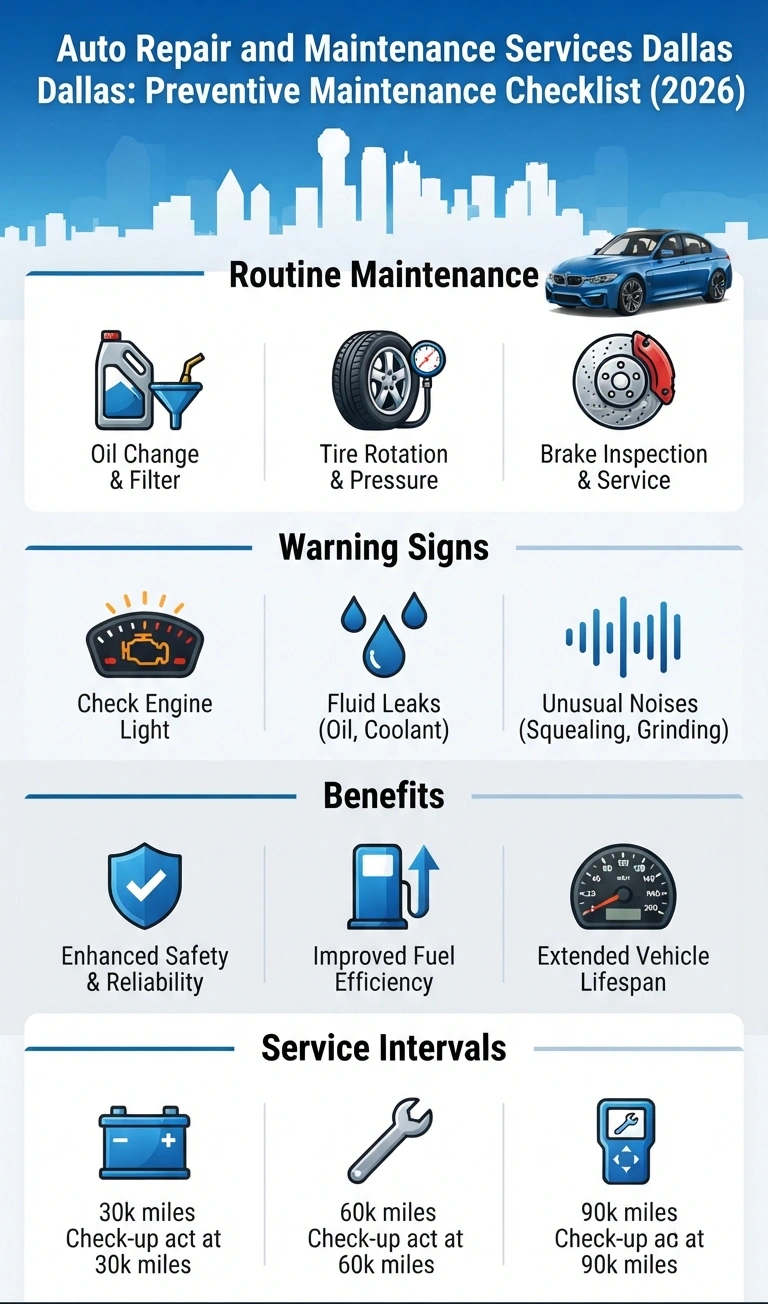
Types of Auto Repair and Maintenance Services
Understanding Auto Repair and Maintenance Services Dallas starts with knowing the different types of services your vehicle may require throughout its lifetime. From routine preventive maintenance that helps avoid costly breakdowns to advanced diagnostics and specialized repairs, each service plays an important role in improving safety, reliability, and long-term vehicle performance.
Preventive Maintenance Services
Preventive maintenance is your car’s best defense against unexpected breakdowns and expensive repairs.
These scheduled services keep your vehicle running smoothly by tackling common wear before it turns into a major problem.
Key preventive maintenance services include:
- Oil and filter changes for engine protection and performance
- Tire rotation and balancing to ensure even wear and longer tire life
- Brake inspections to catch worn pads or fluid leaks early
- Fluid checks and flushes covering engine coolant, transmission, brake, and power steering
- Filter replacements (air, cabin, fuel) for clean airflow and efficiency
- Belts and hoses inspection to avoid sudden breakdowns
- General safety checks (lights, wipers, battery, suspension)
These services are usually bundled as:
- Interim service (every 6 months/6,000 miles): covers the basics like oil, belts, and tire check
- Full annual service (12,000 miles/1 year): adds deeper inspections, fluid flushes, and safety checks
- Major interval services (per your owner’s manual): includes spark plugs, timing belts, brake fluid exchange, and more
Following the manufacturer’s maintenance schedule isn’t just smart—it’s necessary for maximizing performance, keeping your warranty intact, and protecting resale value.
“Skipping preventive care is the quickest way to shorten your vehicle’s lifespan.”
Following the manufacturer’s recommended maintenance schedule is one of the most effective ways to improve vehicle reliability and safety. The National Highway Traffic Safety Administration (NHTSA) recommends routine inspections, timely repairs, and regular maintenance to help reduce mechanical failures and improve overall road safety.
Diagnostic and Repair Services
When a dashboard light flickers or you hear an odd clunk, it’s time for diagnostic and repair services.
Expert technicians use:
- Digital scan tools to pinpoint fault codes
- Skillful symptom analysis to track down root problems
- Hands-on testing for mechanical and electrical components
The most common repair categories are:
- Engine repair (misfires, stalling, loss of power)
- Electrical fixes (battery, alternator, wiring, sensors)
- Brakes (squeaks, vibrations, poor stopping)
- Suspension/steering (pulling, poor handling)
- Transmission/drivetrain (shifting issues, leaks)
- Cooling/heating (overheating, AC trouble)
- Emissions/exhaust (smoke, check engine light)
- Tires (flats, alignment, balancing)
- Glass/wipers (cracks, poor visibility)
Using ASE-certified technicians and current diagnostic equipment is key for accurate, efficient repairs—saving you both time and money.
“A skilled diagnosis today can prevent a costly breakdown tomorrow.”
—
Specialized Services: Steering, Suspension, and Alignment
If you notice vibrations, pulling to one side, or uneven tire wear, you might need specialized steering and suspension care.
These services focus on:
- Wheel alignment to keep you tracking straight
- Shock/strut replacement for a smooth ride
- Power steering repair to restore effortless handling
- Suspension part replacement (ball joints, bushings)
Ignoring these issues not only reduces comfort, but it brings real safety risks like extended stopping distances and rapid tire wear.
Picture this: You hit a pothole and soon the car drifts left—an alignment check could fix this in under an hour.
Keeping these systems in top condition is an investment in vehicle safety, performance, and tire longevity.
“Proper alignment can add thousands of miles to your tires—and years to your peace of mind.”
—
Types of Auto Repair Businesses
Not every repair shop is the same—choosing the right one saves time, money, and hassle.
Common shop types include:
- General/independent shops: everyday maintenance, oil changes, diagnostics, brakes
- Full mechanical shops: comprehensive engine, suspension, steering, and drivetrain repairs
- Auto body or collision centers: paint, dent, bumper, and structural fixes
- Specialty shops: experts in transmissions, exhaust, electrical, tires, or alignment
- Quick lube shops: fast oil, filter, and minor fluid services
- Dealer service departments: warranty and OEM-certified work
- Fleet facilities: routine upkeep for business vehicles
Ask yourself: “Do I need routine care, a specific repair, or something cosmetic?” Then, select based on specialization, reputation, and your car’s needs.
“The right shop turns auto care from stressful to seamless.”
—
Understanding the range of maintenance, diagnostic, and specialized repair services—and where to get them—puts you firmly in control of your vehicle’s health and your repair budget. Make scheduling preventive services and choosing the right shop part of your car care routine to ensure safer, more reliable driving every day.
Benefits of Regular Auto Repair and Maintenance
One of the greatest advantages of Auto Repair and Maintenance Services Dallas is improved vehicle safety. Regular inspections and preventive maintenance help identify worn or damaged components before they become serious hazards, reducing the risk of breakdowns and accidents while ensuring your vehicle performs reliably in all driving conditions.
Safety Enhancement
Keeping up with regular inspections means spotting worn brakes, thin tires, or failing lights before they turn into hazards.
Shops typically examine brakes, suspension, and steering on a schedule, helping drivers avoid common causes of accidents.
- A study by the National Highway Traffic Safety Administration found that 12% of crashes are linked to mechanical failures, often tied to missed maintenance.
- Imagine catching a cracked brake hose during a basic service—that’s peace of mind you can see.
A well-maintained car means safer roads for everyone, every single day.
—
Improved Reliability and Fewer Breakdowns
Routine maintenance tackles small issues—before they cause breakdowns on a busy Dallas freeway.
- According to AAA, “well-maintained vehicles are 50% less likely to need emergency repairs.”
- Typical preventable failures (dead batteries, worn belts, overheating) range from $80 to over $1,000 if they turn into roadside emergencies.
- You get the confidence of knowing your car will start every morning and get you home on time.
There’s nothing better than the reliability of a well-cared-for car.
—
Cost Efficiency and Long-Term Savings
Preventive care isn’t just about safety—it’s smart budgeting.
- Skipping routine maintenance can triple your long-term repair costs—replacing an engine due to missed oil changes can exceed $5,000.
- Keeping up with service often improves fuel efficiency by as much as 4%, and many reputable shops back their work with 12-month/12,000-mile warranties.
- Fleet owners and busy families enjoy lower, more predictable repair bills and fewer environmental compliance headaches.
Every dollar spent on prevention is one saved on surprise repairs.
—
Extended Vehicle Lifespan and Resale Value
Think of maintenance as an anti-aging routine for your car.
- Documenting services—oil changes, brake checks, cosmetic repairs—can raise resale value by as much as 20%.
- Body repairs protect from rust and sun damage, while mechanical service helps engines last well past 150,000 miles.
A full service history pays off both for longevity and when it’s time to sell or trade.
—
Enhanced Performance and Driving Comfort
A serviced car simply feels better to drive—smooth acceleration, quiet braking, and crisp handling.
- Services like alignment and suspension refreshes eliminate shakes and steering pull.
- Clean cabin filters make every drive more comfortable, especially in Texas heat.
Picture your car gliding down the road, free from rattles or squeaks—a real daily upgrade.
—
Customer Confidence and Long-Term Relationships
Trusted shops don’t just fix cars—they build lasting relationships.
- Clear communication and honest estimates turn first-timers into loyal customers.
- One Yelp reviewer says, “They explained every step and gave me options—no surprises, just real help.”
When you know your shop is committed to transparency and your safety, maintenance becomes a partnership.
—
A single preventative visit can mean safer travels, smoother drives, and a healthier wallet. Treating your car to regular care is the easiest way to enjoy stress-free driving for years to come—and to trust that every mile is a safe one.
Essential Best Practices for Vehicle Owners
Following Auto Repair and Maintenance Services Dallas best practices begins with your vehicle manufacturer’s recommended maintenance schedule. Adhering to these service intervals helps optimize performance, maintain warranty coverage, reduce the likelihood of unexpected repairs, and extend the life of your vehicle through timely inspections and preventive maintenance.
Following the Manufacturer’s Maintenance Schedule
Your owner’s manual is the gold standard for knowing when and what your vehicle needs.
It details recommended service intervals—like oil changes every 5,000-7,500 miles, or brake fluid replacement every 24 months—tailored for your car.
Before booking any service, compare shop recommendations with the manual’s interval chart. If your shop suggests more frequent service, ask for a clear reason—sometimes “severe use” (think: Dallas stop-and-go traffic or extreme heat) does warrant earlier maintenance.
“Don’t guess—check your manual.”
Distinguishing Maintenance from Repair
Maintenance means preventing problems before they start; repair means fixing issues that have already occurred.
Picture this: oil changes, tire rotations, and filter replacements all fall under maintenance—think routine care that pays off long-term.
Repairs include replacing a dead battery, fixing a failed starter, or sorting out noisy brakes.
- Maintenance = scheduled, proactive services
- Repair = unscheduled, fault-triggered fixes
Plan your budget for both: maintenance keeps costs predictable; repairs are for those “uh-oh” moments.
Scheduling and Using Routine Inspections
Routine inspections—either annually or at major mileage check-points—help you spot potential issues before they blow up into expensive surprises.
Shops often offer “multi-point inspections” during oil changes or annual service. Use these results to plan next steps—maybe you address a worn belt this visit and schedule a new battery for months down the road.
A quick inspection now can save thousands later.
Selecting the Appropriate Shop for Your Needs
Not all repair shops are created equal.
- Use a general shop or dealer for regular maintenance, brakes, or diagnostics
- Choose an auto body or collision center for exterior and paint repairs
- Head to a specialty shop for major transmission, exhaust, or electrical issues
- Fleet owners benefit from shops focused on preventive programs
Choose a shop that fits your specific needs—one size doesn’t fit all.
Evaluating and Vetting Repair Shops
The right shop protects both your wallet and your warranty.
- Get personal recommendations and verify shops are ASE-certified
- Ensure they have experience with your make and model
- Compare prices, warranty terms, and online reviews before approving any work
- Confirm the shop will honor your vehicle’s warranty obligations
Transparency is non-negotiable—select shops that explain costs clearly and communicate throughout.
Parts Selection and Cost Transparency
Ask what parts are being used and why.
- OEM (original) parts ensure factory-fit and may cost more
- Aftermarket, rebuilt, and salvage parts can lower costs, but impact performance and warranty
- Always ask: “Will this part affect my warranty or resale value?” and get it in writing
Informed parts decisions lead to smarter, longer-lasting repairs.
Documentation and Communication Practices
Get everything on paper—before and after the repair.
- Request a written estimate listing all labor, parts, and fees up front
- Insist on a detailed repair order with parts used, odometer reading, and summary
- Ask for explanations in plain language—“No jargon, just clarity”
- Keep all records for future warranty or resale value
Good paperwork means no surprises at trade-in time.
Proactive Owner Checks and Preventive Care
You play a crucial role in your vehicle’s health—between shop visits, check these often:
- Tire pressures and treads
- Fluid levels—oil, coolant, washer, brake
- New noises, warning lights, or steering changes
- Address concerns immediately—small symptoms grow costly fast
A quick five-minute check could mean five years added vehicle life.
—
Staying proactive with scheduled maintenance, smart shop selection, and clear communication is your best strategy for worry-free driving and lasting vehicle value. In Dallas and beyond, these habits put you in the driver’s seat—confident, protected, and informed.
Best Operational and Service Practices for Auto Repair Shops
Delivering exceptional Auto Repair and Maintenance Services Dallas requires more than technical expertise. The best repair shops combine ASE-certified technicians, advanced diagnostic equipment, transparent communication, and outstanding customer service to provide accurate repairs, build long-term trust, and ensure every vehicle leaves the shop operating safely and efficiently.
Technical and Customer Service Excellence
Every great auto repair experience starts with attentive listening and comprehensive inspections.
Picture this: a technician greets a customer, listens closely to their concerns, and confirms each symptom before popping the hood.
Shops that excel follow a clear, actionable process:
- Always prioritize urgent safety issues (like brakes or steering) before tackling non-urgent maintenance.
- Provide detailed, honest estimates so customers aren’t surprised by costs.
- Ensure timely service, often finishing common repairs—such as brake jobs or oil changes—within the same day.
- Use consistent quality control checks—like a second technician review or a post-repair test drive—to guarantee work meets standards.
- Maintain a clean, organized shop and waiting area, making customers feel welcome and confident in the service provided.
“A thorough inspection and clear communication can turn a single repair visit into a long-term customer relationship.”
Commitment to Safety and Environmental Responsibility
Modern shops shine by going the extra mile on safety and eco-friendly practices.
Imagine a team attending regular safety trainings, donning personal protective equipment, and following clear emergency protocols posted throughout the shop.
The best facilities implement:
- Safety audits and team huddles to spot hazards before they become incidents.
- Robust hazard communication programs—from chemical labeling to proper ventilation.
- Eco-conscious waste handling, like recycling used oil and minimizing hazardous material use.
For larger fleet operations, structured preventive maintenance programs not only boost uptime but also reduce environmental impact and regulatory risk.
“Every safe, well-managed shop wins trust—not just with customers, but with their own team and the community.”
Powerful Takeaways for Modern Shops
- Commit to safety-first service, pairing technical expertise with transparent, honest interactions.
- Invest in cleanliness and organization to foster customer trust and support efficient workflows.
- Lead by example in environmental responsibility, setting high benchmarks in eco-friendly operations.
Customers and staff can spot the difference: a shop that prioritizes professionalism, safety, and care quickly becomes a trusted destination for quality auto repair.
If you’re looking for reliable Auto Repair and Maintenance Services Dallas, choosing a trusted repair shop with experienced technicians is essential. Our auto repair and maintenance services include preventive maintenance, diagnostics, brake repairs, suspension work, engine repairs, and comprehensive vehicle inspections to help keep your car safe, reliable, and performing at its best throughout the year.
Conclusion
Investing in regular auto repair and maintenance isn’t just a chore—it’s your clearest path to safety, reliability, and confidence on every Dallas drive. By choosing transparent, quality-focused service, you don’t just protect your car; you empower yourself to enjoy every mile without worry.
Ready to put this knowledge to work? Here are your most impactful, actionable steps:
- Prioritize preventive maintenance—schedule your next oil change, brake check, or tire rotation to avoid costly breakdowns.
- Vet your auto repair shop—look for ASE certification, transparent estimates, and customer-first communication.
- Make a habit of reviewing your owner’s manual before approving any repairs or maintenance.
- Keep records of every service—organized documentation boosts resale value and simplifies warranty claims.
- Take five minutes this week to check your fluids, tire pressure, and warning lights—small acts that yield big savings.
No matter where you are in your car ownership journey, it pays to stay proactive. Book that overdue service, ask for detailed explanations in plain language, and partner with shops that earn your trust through clear, honest interactions.
A well-maintained car isn’t just a means of getting from A to B—it’s your daily ticket to stress-free, confident driving. The smartest miles are made with care, clarity, and a commitment to quality.
Drive secure, drive smart—make every mile count.
FAQs
How often should I schedule auto maintenance in Dallas?
Most vehicles benefit from routine maintenance every 5,000–7,500 miles or every six months, although your owner’s manual provides the most accurate schedule for your specific make and model.
Why are preventive maintenance services important?
Preventive maintenance helps detect small issues before they become major repairs, improving safety, fuel efficiency, reliability, and the overall lifespan of your vehicle.
What services are included in routine auto maintenance?
Routine maintenance typically includes oil and filter changes, tire rotation, brake inspections, fluid checks, battery testing, air filter replacement, and a comprehensive multi-point vehicle inspection.
How do I choose the best auto repair shop in Dallas?
Look for ASE-certified technicians, transparent pricing, positive customer reviews, modern diagnostic equipment, written estimates, and experience servicing your vehicle’s make and model.