
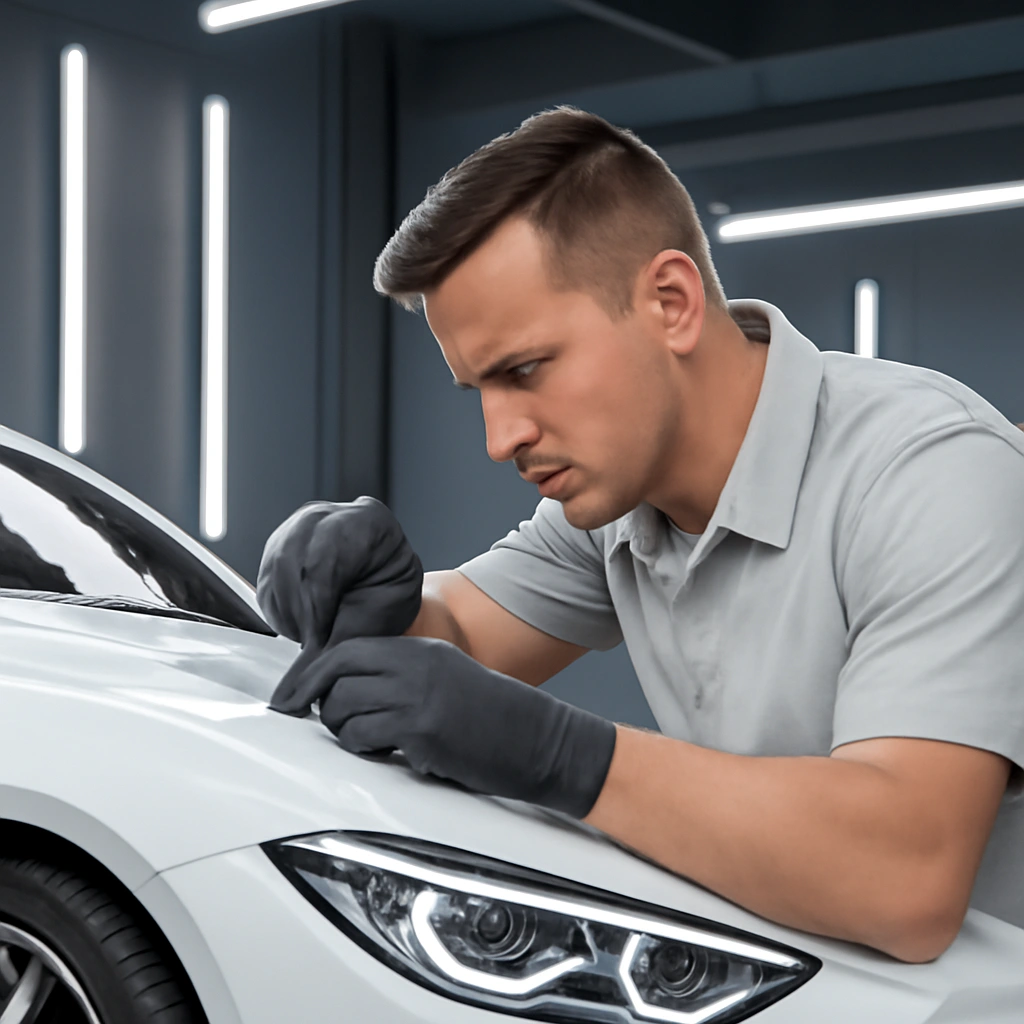
Full Body Repaint Costs for Cars can vary widely depending on paint quality, vehicle size, and labor. Whether you’re restoring a classic ride or upgrading your daily driver in Dallas, knowing the price range and what’s included ensures your investment pays off.
- Full body repaint transforms your entire vehicle, ensuring consistent color, protection, and higher resale value versus spot repairs or touch-ups.
- Pricing ranges widely—expect $300–$1,000 for basic renewals, $1,000–$5,000 for mid-tier professional finishes, and $5,000–$15,000+ for high-end custom work that includes specialty paints and complete color change.
- Quality prep and materials directly impact durability—investing more upfront prevents fading, peeling, and uneven results, especially in demanding climates like Dallas.
- Vehicle size, paint type, and desired color are major cost drivers; custom colors and large vehicles can add $1,000–$4,000 to your total.
- Professional repaint jobs outlast DIY or budget services, delivering 5–10 years of lasting protection with proper clear coat and curing.
- Choose your shop wisely—look for clear quotes, certifications, before-and-after photos, and written warranties to guarantee integrity and craftsmanship.
- Insurance rarely covers cosmetic repaints, except for claim-related repairs—budget for full cost out-of-pocket if it’s an upgrade or color change.
- Ask smart questions up front about the paint brand, prep process, turnaround time, and aftercare support to avoid surprises and maximize your investment.
Review these essentials, and you’ll be equipped to book a repaint with confidence, ensuring your car looks its best and your money is well spent—discover all the details in the full article.
Introduction
Imagine pulling into your driveway and realizing your car’s paint no longer matches the pride you feel behind the wheel. Maybe the finish is faded and patchy, or sun damage has left your ride looking years older than it really is. If you’ve ever cringed at peeling, chipped, or mismatched panels, you’re not alone—this is a frustration nearly every Dallas driver faces at some point.
Here’s the reality: a professional full body repaint can do more than transform appearances. You’re investing in protection against rust and UV damage, boosting your vehicle’s resale value, and restoring that “new car” confidence—without the sticker shock of buying a brand-new model.
But what should a refresh like this really cost? Many drivers see ads promising bargain paint jobs, only to end up with quick fades, peeling edges, or zero warranty support just months later. Getting it right means knowing:
- What professional repainting includes (and what it often leaves out)
- How price ranges break down—from basic to custom, and what actually matters for durability
- Key factors that affect your price—vehicle size, paint quality, local shop expertise, and more
If you’re weighing a full respray for accident restoration, an upgrade, or simply to recapture that showroom shine, it pays to know exactly what you’re getting and how factors like surface prep and material choice impact costs for Dallas-area drivers.
You deserve clear, honest information—so you can decide if a full repaint is a smart investment or a shortcut to regret.
Let’s uncover what a complete repaint really involves, what you can expect for your money, and how to choose a shop that puts quality and integrity front and center.
Next, discover the full scope of a complete car repaint—and the key benefits that can make your ride feel truly new again.
Understanding Full Body Repaint Costs for Cars
A full body car repaint covers every panel and exposed surface with fresh paint, revitalizing your entire vehicle—not just a single fender or bumper.
By contrast, partial repaints or spot touch-ups focus on isolated areas, addressing only specific scratches or blemishes.
When you opt for a full repaint, your car receives consistent coverage, uniform sheen, and renewed protection everywhere it’s needed.
Why Owners Choose a Full Repaint
Drivers typically decide on a complete repaint to:
- Restore a faded, weathered finish that ages your car overnight
- Repair and cover accident damage visible across multiple panels
- Upgrade or customize the entire color for a personalized look or business branding
- Reverse peeling, chipping, or extensive scratches that can’t be hidden with touch-up work
You might picture a sun-faded hood, mismatched doors from previous repairs, or a unique paint color that makes a statement—these are all prime cases for a full respray.
Major Benefits of Full Body Repainting
Beyond aesthetics, a comprehensive paint job delivers:
- Boosted resale value—buyers routinely pay more for vehicles with fresh, professional paint
- Enhanced protection against rust, UV rays, and future damage
- A complete style reset that turns an “old ride” into showroom-worthy
Industry data shows a high-quality repaint can add thousands in resale value, especially for classic cars, collector vehicles, or well-maintained trucks.
When Is a Full Repaint the Smart Choice?
A full repaint is usually recommended when:
- Damage or deterioration covers multiple panels
- You want to change your car’s color completely
- Restoring a collectible, luxury, or high-value vehicle
- You’re preparing to sell or trade in and want maximum curb appeal
It may not make sense for vehicles with severe underlying rust, mechanical issues, or very low market value—but for many, it’s a transformative investment.
A full-body repaint tackles more than cosmetic flaws—it protects your vehicle, elevates appearance, and safeguards future value. If your car looks tired when you pull into your Dallas driveway, a full repaint can make it feel brand new again.
Typical Cost Ranges for Full Body Repaints
Getting a full body repaint for your car is a big investment—but knowing the price ranges and what’s included can help you budget smartly.
For Dallas-area drivers (and beyond), professional repaint costs break down into three main levels:
- Basic Jobs ($300–$1,000):
- Minimal prep work—usually just masking off windows and quick sanding.
- Single-stage paint, often no clear coat.
- Finish may fade, chip, or peel within 1–3 years.
- Mid-Tier/Professional ($1,000–$5,000):
- Multiple steps of sanding, smoothing, and priming for longer-lasting results.
- Urethane or higher-quality paints, plus at least one clear coat for protection.
- More attention to masking trim for a cleaner look.
- High-End/Custom ($5,000–$15,000+):
- Extensive body prep, full removal of trim and panels.
- Specialty paints—pearlescent, metallic, or custom colors.
- Includes full color change, painting door jambs, underhood, and trunk.
- Results designed to match (or surpass) factory finish.
—
What’s Included at Each Price Tier
A quick visual guide:
| Level | Prep & Steps | Paint Quality | Durability | Common Extras |
|————–|———————|—————————|————–|———————-|
| Basic | Little to none | Economy/single-stage | Low | None |
| Mid-Tier | Extensive sanding | Professional/urethane | Moderate | Clear coat |
| High-End | Full disassembly | Premium/custom/multi-coat | Highest | Custom work, color change |
A basic repaint might look appealing at the $399 price you see on billboards, but it often skips steps like dent repair, detailed masking, and clear coat.
With mid-tier and high-end services, you’re paying for time, materials, and expertise—think clean edges, flawless blends, and finishes that withstand sun, rain, and time.
—
Beware Low Prices: What’s Skipped or Compromised
Those “too-good-to-be-true” deals usually mean:
- Poor surface prep—leaving behind scratches, rust, or flaking paint.
- Cheaper paints that only last a year or two.
- No guarantees, warranty, or aftercare support.
Picture this: A rush job with leftover masking tape visible along your windows, and peeling paint within a Dallas summer.
—
Smart car owners compare more than the sticker price—they ask what’s included, how prep is handled, and what the finish will look like a few years later.
Clear expectations up front help you choose the right service tier for your budget and your pride in your ride.
Key Factors Influencing Full Repaint Costs
Every full body car repaint is unique, but several core factors determine the final cost.
Understanding these variables upfront means fewer surprises—and better budgeting.
—
Paint Quality and Types
Not all paint jobs are created equal.
- Basic paints keep costs down but often lack depth and durability.
- Urethane and metallic finishes add richness and resilience.
- Pearlescent, matte, or specialty finishes can add 20–50% to total price, especially with multi-stage application.
- Choosing a high-quality clear coat or opting for a warranty-backed paint brand can boost both price and long-term protection.
“Premium paints don’t just look better—they often protect your investment for years longer.”
—
Vehicle Size, Make, and Special Features
Picture this: repainting a compact sedan involves less material, less labor, and less masking than tackling a full-size SUV or a rugged pickup.
- Larger vehicles (SUVs, trucks, vans) typically cost more due to additional square footage.
- Unique body shapes, extra chrome trim, ADAS sensors, or panels made of aluminum all require highly skilled labor and sometimes special prep.
- Luxury or exotic vehicles may command steeper prices because of intricate bodywork or custom paint requirements.
—
Surface Preparation and Pre-Existing Condition
“Half the battle is in the prep.”
Think rust spots, dents, and scratches—every imperfection requires attention.
- Surface prep can involve sanding, filling, rust removal, and even full panel repair.
- Preparation often accounts for up to 50% of total repaint costs—sometimes thousands of dollars extra for heavily damaged cars.
- Corners cut in prep almost always show in the final finish.
—
Labor, Shop Expertise, and Location
Where you get your car repainted matters—big time.
- Highly skilled shops with certified technicians deliver superior, longer-lasting results.
- Shop reputation, cleanliness, equipment quality, and paint booth technology factor into final pricing.
- Expect higher labor rates in cities like Dallas compared to rural areas, thanks to demand and local cost of living.
—
Paint Color Choices and Color Change
- Standard black, white, or gray are wallet-friendly compared to vivid reds, deep blues, or custom hues.
- Changing your car’s color means extra prep—painting door jambs, trunk interiors, and under the hood, which can add hundreds or even thousands.
- “Color changes aren’t just a fresh look—they’re a major job behind the scenes.”
—
Extent of Service, Add-Ons, and Protective Finishes
Not every full repaint is the same from shop to shop.
- Basic jobs include simple masking and a few coats; professional services may involve complete trim removal, top-quality materials, and multi-layer finishes.
- Popular add-ons:
- Clear bra or paint protection film
- Ceramic coatings for extra gloss and defense
- Pinstriping or custom graphics
- These extras raise the initial price but often enhance your car’s value and resilience.
—
No two vehicles are alike, and neither are their repaint needs.
Getting a fair, accurate quote means understanding these pricing drivers and aligning your expectations with your goals—whether you want a striking new look, maximum resale value, or long-term protection for your ride.
The Full Repaint Process: What to Expect
When you book a full body repaint for your car, you’re investing in a multi-step process designed for maximum durability, protection, and showroom appeal.
Expect a professional shop to handle everything from initial assessment to final inspection—each step carefully planned for the best possible outcome.
Phase 1: Consultation & Inspection
Your journey starts with a detailed consultation and physical inspection.
- Technicians will assess your car’s paint, spot any rust, dents, or previous damage, and discuss your goals—whether it’s restoration or a color change.
- You’ll review paint quality options and get a transparent quote, so you always know what you’re paying for.
“A thorough inspection sets the foundation for a flawless finish.”
Picture this: an expert runs their hands along your hood, catching subtle imperfections you didn’t know existed.
Phase 2: Preparation & Masking
Surface preparation is everything in the paint world—prep work can take up to half the total job time.
- Sanding, rust removal, and dent repair come first.
- Then, technicians mask off trim, windows, and badges to protect non-paint areas.
- This step is non-negotiable for achieving a smooth, even base.
Tip: Cars with heavy rust or complex trims may see additional prep costs and extended timelines.
Phase 3: Repairs, Priming, and Paint Application
Once prepped, your car undergoes multiple, expertly timed stages:
- Repairs: Surface restoration before any paint touches the body.
- Priming: One or more coats for proper adhesion and long-term resilience.
- Paint Layers: 2–4 coats for full coverage; high-end jobs may exceed five.
Shops use climate-controlled booths for dust-free, professional application—an industry best practice for top-tier results.
Phase 4: Clear Coat and Curing
The final protective clear coat is crucial for gloss, UV protection, and long-lasting color.
- Expect at least one (often two) clear coat applications.
- Proper curing—sometimes heat-assisted—ensures a hard, resilient finish.
This step makes the difference between a quick fade and a finish that turns heads five years from now.
Timeline, Delays, and Final Inspection
Full body repaints typically take 3–10 days.
- Basic jobs require less than a week, while high-end or custom work can stretch to several weeks.
- Delays happen due to: sourcing specialty paints, weather affecting curing, or shop workload.
Final steps always include:
- Meticulous inspection under bright lights.
- Small touch-ups or rework if needed.
“Every detail matters…” is more than a motto; it’s the difference between standard and standout.
A full repaint transforms not just your car’s look but its future value and protection. The right process—performed by true professionals—ensures the job lasts, looks stunning, and leaves you driving away with pride.
Estimating Value and Making Cost-Effective Choices
Evaluating whether a full body repaint is worth it starts with one question: Will this investment pay off for your car’s age, condition, and resale value?
If your vehicle is 10+ years old with high mileage and has cosmetic issues, a basic repaint may help maintain pride of ownership—but likely won’t increase its market value much.
On the flip side, if you have a late-model car, classic, or collectible, high-quality paintwork can boost value by thousands and extend vehicle lifespan.
What to Weigh Before Repainting
Ask yourself:
- Is your goal to restore, protect, or radically change your car’s appearance?
- Is the original paint simply faded, or does the vehicle have deep scratches, rust, or damaged panels?
- Do you plan to keep or sell the car soon?
Picture this: You spot a used SUV for sale—spotless, gleaming paint draws you in. A $4,000 investment in quality repaint can win buyer trust and add $2,000–$5,000 to the price for sought-after models.
Budget vs. Results: What Different Paint Jobs Deliver
Understand what’s included at different price points:
- $300–$1,000: Basic repaint, minimal prep, lower-grade material—finish may only last 1–3 years.
- $1,000–$5,000: Mid-tier professional, better prep, higher durability, factory-style gloss.
- $5,000–$15,000+: High-end or custom, extensive prep, best materials, possible color change, like-new results.
Beware of “amazing deals” that cut corners—poor surface prep or cheap paint can lead to peeling, fading, or uneven color after just one Texas summer.
When to Invest in Professional or High-End Paint
Consider a premium job if:
- You own a luxury/collectible car
- You want to fully change color (including door jambs, trunk, underhood)
- You expect the paint to last 10+ years
- You’re dealing with rust, custom work, or expect to maximize resale value
Our advice: If you’re picturing a flawless, showroom shine every time you open your garage, invest in the higher tier.
A smart repaint is about matching the right quality to your goals and vehicle, so your car stands out for all the right reasons—and your money is working as hard as your car does.
Choosing the Right Paint Shop: Quality, Integrity, and Guarantees
Choosing the right paint shop means more than just comparing prices—it’s about trust, craftsmanship, and clear communication.
Your car deserves precision, care, and a finish that lasts, so focus on these essentials when evaluating shops.
Checklist for Vetting Reputable Paint Shops
Picture this: you walk into a clean, organized facility and see technicians at work—calm, focused, and detail-driven. To make the most informed decision, use this checklist:
- Read recent customer reviews for evidence of both satisfaction and resolution of issues
- Look for certifications (I-CAR, ASE) signaling up-to-date training and skills
- Request a portfolio of before-and-after images—quality shops are proud to showcase results
- Ask about the warranty on workmanship and materials; trusted shops usually offer 2–5 years coverage
- Check for a clean, advanced facility with proper paint booths and safety equipment
Ensuring these basics weeds out fly-by-night operations and sets the stage for a transparent experience.
What Makes Quality Shops Stand Out?
A reputable shop stands apart by offering:
- Clear, upfront quotes that detail all labor, material, and potential add-on costs
- Transparent pricing: no hidden surprises; every charge is explained
- Open communication about materials (e.g., urethane or high-end metallic paints), steps, and timelines
- Personalized consultations to match your needs, from classic car restoration to modern color changes
In Dallas, for example, quality shops use these methods to justify mid-tier pricing ($1,000–$5,000) and provide robust documentation that supports every dollar spent.
Smart Questions to Ask Before Committing
Before approving any work, ensure you get straight answers to these:
- What paint quality and brand will be used?
- How do you handle surface prep or rust repairs, and what’s included?
- What is the expected turnaround time for my car’s size and condition?
- Do you provide aftercare instructions or support for newly repainted vehicles?
Shops with nothing to hide will handle these questions confidently—and may even volunteer proactive updates.
Why Service Experience and Guarantees Matter
Expert Auto Repair, Trusted Service isn’t just a tagline; it’s a promise to put you first.
- When service is seamless and every concern is addressed, your repaint lasts longer and looks better
- Shops committed to integrity and customer focus explain every step, invite your feedback, and stand behind results
One highly shareable tip: “A detailed quote and a visible warranty are two signs you’ve found a shop that truly values your business.”
Opting for a reputable paint shop means you can trust in quality, clarity, and satisfaction from consultation to the final inspection—protecting both your vehicle and your investment.

Frequently Asked Questions About Full Car Repaint Costs
Thinking about a full car repaint comes with plenty of questions—here are the answers Dallas drivers need, in plain English.
Will My Insurance Cover a Full Repaint?
Most insurance won’t cover cosmetic repaints unless the job is related to a covered claim (think: accident damage).
- Cosmetic upgrades or color changes are considered out-of-pocket expenses.
- Restorative paint after an accident may be covered if you file a claim—always check your policy first.
How Long Will a New Paint Job Last?
With a professional, mid-tier repaint ($1,000–$5,000), expect your paint to last 5–10 years, depending on care and driving conditions.
- Basic jobs ($300–$1,000) may start to fade or peel in as little as 1–3 years.
- High-end work with premium materials and protective coatings can extend your finish’s lifespan even further.
“Think of your paint as armor—it’s only as tough as the quality you invest in.”
Can I Change My Car’s Color? What Costs More?
Yes, you can absolutely choose a brand-new color, but be prepared for higher costs.
- Color changes (especially to door jambs and hidden areas) can boost costs by $1,000–$4,000+ due to extra prep and materials.
- Standard shades like black or white are the most affordable; custom or vibrant choices cost more.
Repaint vs. Wrap: What’s the Difference?
- Repainting is permanent, restoring or changing your car’s finish with new paint layers.
- Wrapping uses a vinyl film, requiring less prep, and typically costs $2,000–$5,000; wraps last 3–7 years and can be removed or replaced easily.
“Repainting transforms your car for the long haul—wrapping lets you change its look on a whim.”
What About DIY vs. Professional Paint Jobs?
DIY full-body paint can cost $200–$1,000 in materials—but lacks the durability, gloss, and protection of a shop job.
- Professionals deliver cleaner results, warranty coverage, and lasting value.
- DIY may work for older cars, but risky for daily drivers or resale.
Special Cases: What If My Vehicle Is Classic, Leased, or for Business?
- Classic Cars: Choose shops experienced in restoration—original color codes and vintage finishes matter.
- Leased Vehicles: Major color changes may violate your lease—always check your agreement.
- Business Fleets: Custom branding or graphics can be combined with protection films for durability.
From insurance questions to understanding color change pricing, being informed helps you avoid surprises and maximize satisfaction. Keep this quick guide handy any time you consider investing in a full body repaint—the right information lets you drive in style and confidence.
Conclusion
Choosing a full body repaint isn’t just about changing your car’s look—it’s an investment in protection, pride, and future value. The right paint job combines expert craftsmanship with transparent service, ensuring your vehicle leaves the shop looking and feeling revitalized.
You have more control than ever over the results and your budget. Focusing on clarity, quality, and confidence means you choose a solution built to last—all while avoiding hidden costs or regrets down the road.
Key takeaways as you decide:
- Prioritize reputable shops that offer detailed quotes, real warranties, and a track record of quality.
- Clarify your goals—restoration, resale, or a bold new color—and align your investment level to match.
- Ask smart questions about paint quality, prep work, and what’s included at your chosen price.
- Compare options for finishing touches, like ceramic coatings, for extra durability and shine.
- Don’t rush—proper prep and experienced technicians are worth every extra day on the timeline.
Ready to transform your vehicle?
- Research trusted auto body shops in your area and schedule a consultation for a personalized estimate.
- Review real customer stories and before/after images to spot true craftsmanship.
- Plan ahead for your ideal timeline and budget—quality should never be sacrificed for speed or price.
A full repaint is your chance to drive with restored confidence and showcase your car at its very best.
Expert Auto Repair, Trusted Service—it’s not just our promise, it’s your assurance for a finish that turns heads and stands the test of time. Own your investment—and turn every drive into a statement of pride.
FAQs
1. How much does a full body repaint cost in 2025?
Full body repaint costs for cars typically range between $1,000–$5,000 for mid-tier professional services and up to $15,000+ for premium or custom finishes. The price depends on paint type, vehicle size, and shop expertise.
2. Is a full body repaint worth it for older cars?
Yes, especially if your vehicle has sentimental or collector value. A repaint restores protection and appearance, often boosting resale value. For classic car details, visit Hagerty’s Classic Car Resources.
3. How long does a full body car repaint last?
A professional repaint lasts 5–10 years when properly maintained. Investing in high-quality paint and clear coat extends durability, especially under harsh climates like Dallas.
4. What’s included in professional repaint services?
Professional repaint services usually cover surface prep, priming, color coating, and clear finishing. Some shops also offer add-ons like ceramic coatings or paint protection films.
5. Can I repaint my car a different color?
Absolutely — but color changes increase the cost due to extra prep work, such as painting door jambs and interiors. Expect an additional $1,000–$4,000 based on color and finish type.
6. Where can I learn more about auto paint and repair costs?
For a detailed breakdown of cost factors, techniques, and best-value services, visit our pillar post:
Ultimate 2025 Guide to Car Paint and Body Repair Costs Explained
You can also explore our auto repair and paint services for expert craftsmanship, warranty-backed results, and personalized estimates.