
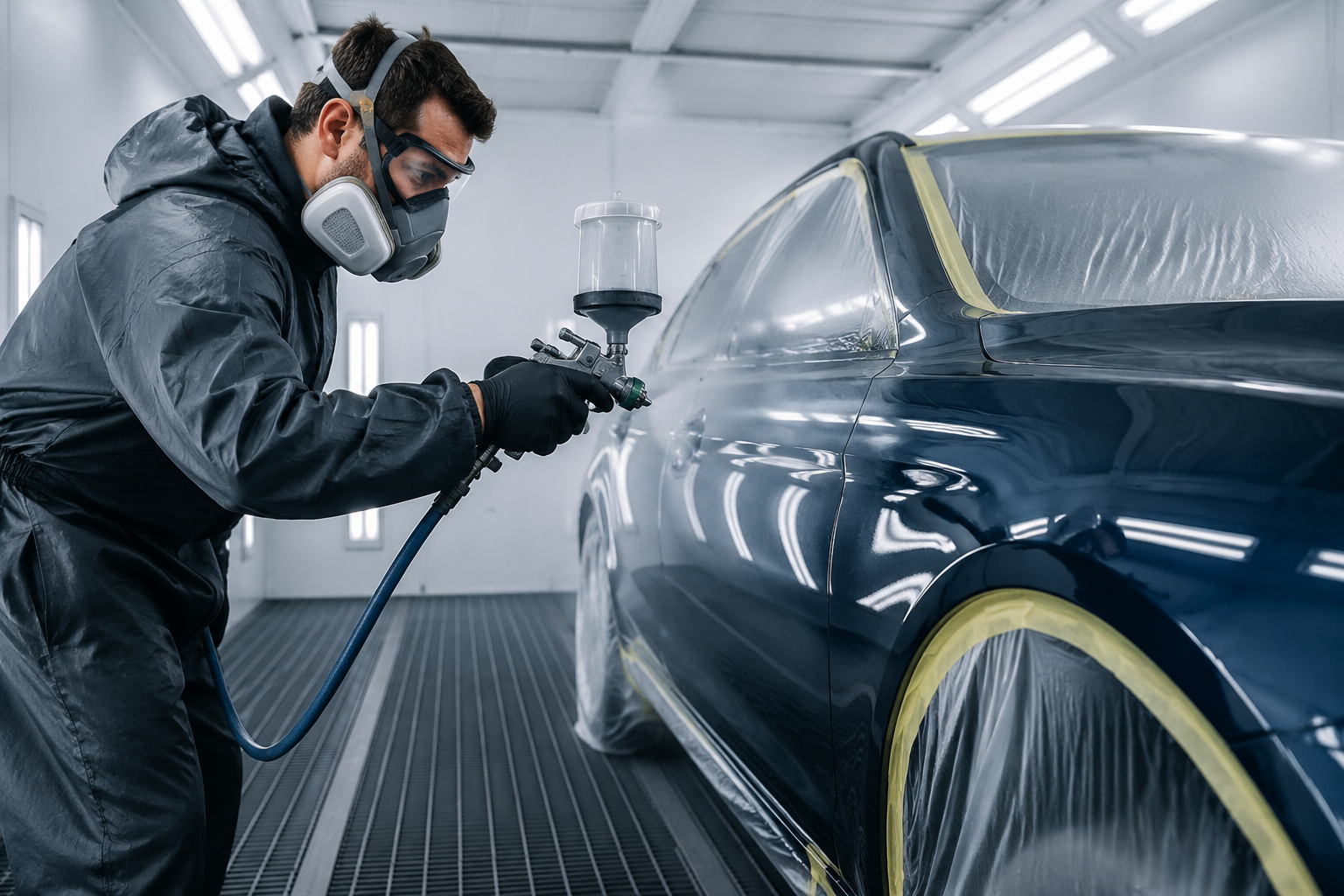
Clear coating is the unsung hero in auto repair, delivering lasting protection, brilliant shine, and real value for every Dallas driver. Here’s what busy vehicle owners need to know for smarter, more confident car care:
- Clear coat acts as a transparent shield, providing critical protection against UV rays, scratches, and daily road hazards—preserving your car’s color and finish longer.
- Quality clear coat boosts durability by up to 50%, allowing modern water-based paints to resist fading, peeling, and corrosion under the harsh Texas sun.
- Choosing the right clear coat formula—high, medium, or low solids—directly impacts gloss, longevity, and repair convenience, so match the product to your project and needs.
- Perfect results start with expert prep: Wet-sand any flaws, clean thoroughly, and mask carefully to ensure lasting adhesion and flawless shine.
- Apply 2-3 even coats at 6-8 inches distance, with 15-minute flash times between layers for factory-level gloss and seamless blending.
- Proper curing and gentle polishing are essential to remove imperfections and unlock a true mirror finish—professional-grade results last for years with the right aftercare.
- Regular maintenance—with pH-neutral soaps, waxes, or ceramic coatings—keeps the clear coat hydrophobic, vivid, and well-protected, guarding resale value.
- Professional help makes the difference for major repairs or persistent issues; expert clear coating restores showroom-quality finish and maximizes your investment.
A strong, well-maintained clear coat is the key to a vehicle that looks remarkable, withstands Dallas conditions, and retains long-term value—discover all the steps and expert tips by diving into the full article.
Clear Coating in Auto Repair
Ever noticed how some cars in Dallas still gleam and turn heads—even after years of sun, storms, and countless miles? The difference often comes down to one unsung hero: a professionally applied clear coat. Without this vital layer, even the newest paint jobs can fade or peel in a single season, leaving your investment exposed to the elements.
Imagine looking at your car and seeing deep, brilliant color—with that signature high-gloss finish you’d expect right off the dealership lot. That’s the clear coat at work, quietly delivering lasting protection, next-level shine, and peace of mind. Skip it, and Dallas drivers face rapid fading, stubborn scratches, and costly repairs down the road.
What’s in it for you? Understanding clear coat goes well beyond “just another step” in repair. Here’s what you’ll gain:
- Why clear coat is the key to preserving your car’s value and beauty
- Simple steps for identifying the right clear coat—and how it’s applied
- Tips on keeping that signature gleam, year after year, even with Texas sun and daily grit
At Auto Clinique, we believe every vehicle deserves expert care—delivered with transparency, quality, and a customer-first approach that makes our process stand out.
Whether you’re protecting a daily commuter, refreshing a family favorite, or restoring a classic, knowing the purpose and application of clear coat will help you make informed, confident decisions for your vehicle.
So, what exactly makes clear coat a must-have for modern drivers, and how does it transform both the look and lifespan of your ride? Let’s unlock the essentials—starting with how this invisible barrier shields your investment and keeps your car looking showroom-fresh.
To better understand the complete refinishing process, explore our Auto Repair Services guide. It explains professional repair procedures, paint restoration techniques, collision repairs, and preventive maintenance that help protect your vehicle’s appearance and long-term value.
Understanding Clear Coat: Role and Benefits in Automotive Paint
Clear coat is a transparent, protective layer applied over a car’s colored base coat to give every paint job both lasting strength and beautiful shine. Think of it as the invisible shield that stands between your vehicle’s finish and the harsh reality of Dallas roads.
Without clear coat, modern water-based and eco-friendly paints are left vulnerable to rapid fading, peeling, and corrosion—sometimes in just a few seasons.
Key Functions of Clear Coat
Clear coat serves three critical purposes for your car’s finish:
- Protection: Blocks UV rays, preventing oxidation and color dulling—crucial under Texas sun.
- Durability: Guards against everyday threats like bird droppings, tree sap, acid rain, road debris, and minor scratches.
- Aesthetics: Amplifies color vibrancy, delivering the signature high-gloss look found on showroom-new vehicles.
This clear barrier gives vehicle owners the confidence that their car will stand up to everything from weekly commutes to sudden hailstorms.
Picture this: water beads up and rolls off a clear-coated hood, leaving deep color and no visible water spots—exactly what customers notice on a well-maintained finish.
The Modern Advantage of Clear Coat
Today’s vehicles rely on water-based paints for environmental reasons, but these paints are naturally less robust than old-school solvent-based options.
Clear coat addresses this by:
- Extending paint life—reducing the risk of cracks or fading by up to 50% versus no clear coat.
- Making it possible to buff out minor scratches or swirl marks without affecting the original color.
Owners get more time between repairs and can maintain resale value; cars with a consistent, glossy clear coat tend to fetch higher prices and age much more gracefully.
Technology, Resale, and Rust Protection
Recent advances have introduced improved UV inhibitors and built-in scratch resistance to top-tier clear coats. Premium options now resist common issues like yellowing and micro-marring for years.
- Modern clear coats not only provide a beautiful shine but also act as a critical defense against rust, preventing moisture and salts from reaching the vulnerable metal below.
- When a vehicle’s clear coat is intact, it creates an extra layer of trust for prospective buyers—often translating to up to 10% greater resale value compared to identical models with clear coat damage.
Instant Takeaways for Vehicle Owners
Clear coat is the unsung hero behind every vehicle’s “just detailed” look. For Dallas drivers, investing in quality clear coat means:
- Longer-lasting paintwork—even in extreme sun and unpredictable weather
- Brilliant shine and vibrant color with minimal effort
- Stronger protection against scratches, fading, and costly repairs
In short: a professional-grade clear coat doesn’t just look good; it protects your investment and elevates your entire ownership experience. This is why at Auto Clinique, every repair centers on quality, durability, and care—so your car always gets the attention it deserves.
Types of Clear Coat Used in Auto Repairs
Clear coat isn’t one-size-fits-all—choosing the right type is key to a lasting repair. Each formula impacts durability, shine, and workflow, so understanding your options is essential.
Comparing Clear Coat Formulations
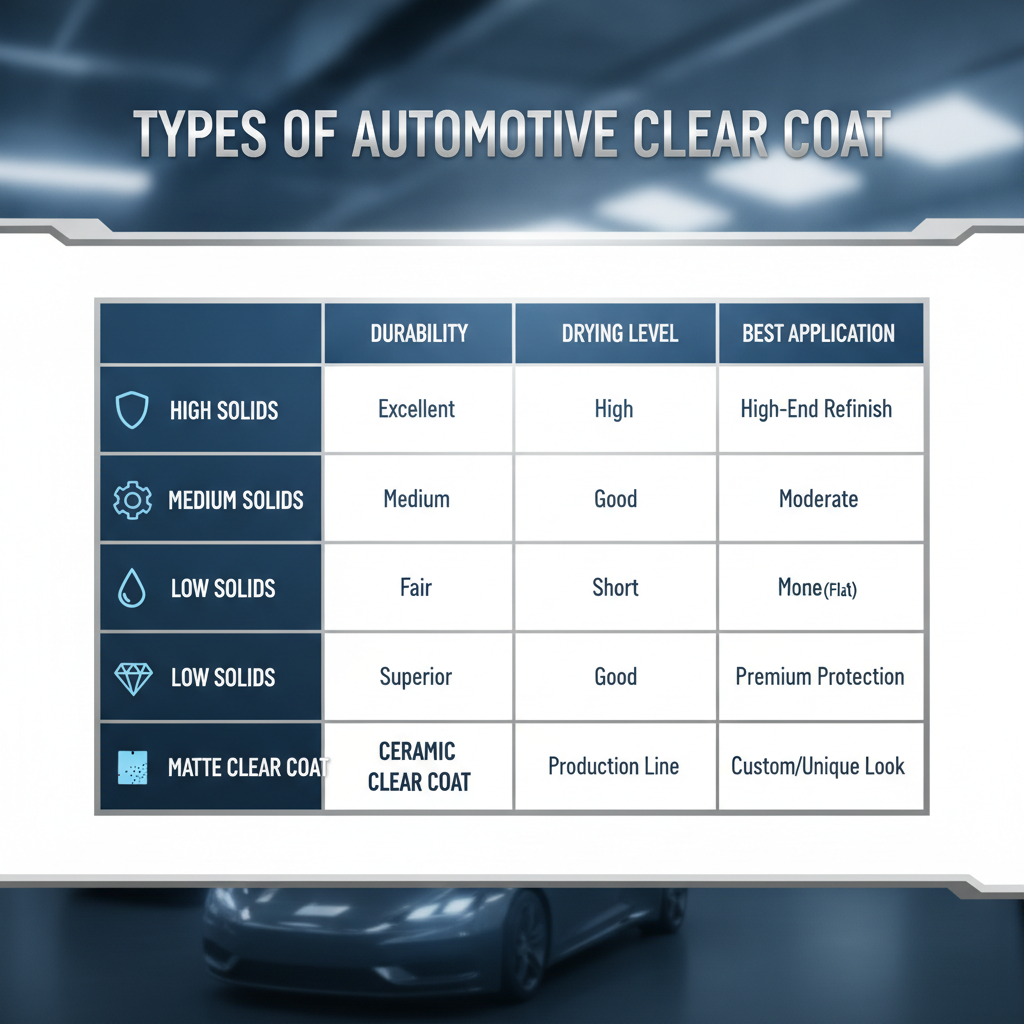
In modern automotive repair, you’ll encounter three main types of clear coats:
- High-solids clear coats: Deliver extra thickness and ultimate protection; preferred for their superior durability and deep gloss.
- Medium-solids clear coats: Most common in standard refinishing, balancing ease of application with good gloss and moderate protection.
- Low-solids clear coats: Offer faster application and drying but with a thinner layer, suiting quick repairs where longevity isn’t the top priority.
High-solids are ideal for full resprays or premium finishes, while low-solids shine with fast spot repairs or in colder shop environments.
Application, Drying Time, and Surface Impact
The main differences extend beyond formula:
- High-solids: Require advanced spray guns and careful prep; can take 40 minutes to several hours to cure fully but produce a “showroom” gloss.
- Medium-solids: More forgiving on equipment, generally cure in 30-60 minutes; perfect for day-to-day repair jobs.
- Low-solids: Spray easily and dry ultra-fast (as little as 20 minutes), but may sacrifice some durability.
Selecting the right type means weighing project size, climate, finish, and timeline. Picture this: Your daily commuter needs a small door panel repair—the speed and convenience of a low-solids aerosol make sense. Restoring a classic show car? High-solids is the pro move for lasting shine.
Modern Trends and Specialty Coatings
The trend is shifting toward eco-friendly and quick-curing options. Many shops are moving to waterborne or low-VOC (volatile organic compound) clear coats that cure faster and reduce environmental impact.
Specialty clear coats are expanding what’s possible:
- Matte clear: Delivers a non-glossy, designer look for custom projects.
- Ceramic-infused: Raises scratch and chemical resistance for luxury or high-use vehicles.
- Anti-graffiti coatings: Protect high-risk or fleet vehicles, making them easy to clean.
These innovations reflect how clear coat is no longer just “clear paint”—it’s a tailored solution.
Shops like Auto Clinique choose clear coats with quality, integrity, and your vehicle’s long-term value in mind. For busy Dallas drivers, knowing your clear coat type means confidence—in protection and in every mile ahead. “Choosing the right clear coat is like picking the best armor for your car,” and that’s peace of mind you can actually see in the finish.
Preparation for Clear Coat Application
Proper preparation is the foundation of successful Clear Coating in Auto Repair, ensuring the clear coat bonds correctly to the surface while delivering a smooth finish, superior adhesion, and lasting car paint protection.
Surface Preparation
A flawless clear coat starts with expert surface preparation—this is non-negotiable for lasting results.
Picture this: skip a step, and you risk common headaches like peeling, bubbles, or patchy shine that come back to haunt you in just months.
Line up for success by following these essentials:
- Wet sand any damaged, scratched, or peeling areas first. Use 1000-2000 grit sandpaper on a foam block, soaked and glided with steady, even strokes.
- Clean away all contaminants: road grime, grease, wax, and dust. Even invisible residue can break the bond.
- Mask off windows, trim, and untouched panels with automotive tape and newspaper for a professional edge.
Want a quotable tip? “Failure to prep is prepping for failure with clear coat.”
Product & Equipment Preparation
The next step is dialing in your products and tools to manufacturer specs for smooth, even coverage.
- Mix clear coat thoroughly, using exact ratios and viscosity recommended on the label—shortcutting here means uneven texture.
- For temperature-sensitive application, warm your product: submerge the can in 75-78°F water for 20 minutes (or follow the instructions for spray guns).
- Choose the right gear:
- Spray guns deliver premium, even results on bigger jobs.
- Aerosol cans are ideal for quick fixes or smaller sections—no compressor required.
- Adjust spray gun pressure for a balanced fan pattern—too much, and you get runs; too little, and the texture suffers.
As one pro likes to say: “Great prep puts shine in your hands, not just in your finish.”
Environmental Considerations
Your shop environment can make or break the outcome—control what you can.
- Aim for temperatures of 68–77°F and mild humidity under 60%.
- Watch for dust! Even a single draft or breeze can send debris into the finish.
- Skip muggy, rainy days or blazing heat—high moisture causes hazing, while too much heat triggers dry spray or poor adhesion.
- Pro shops use filtered, climate-controlled booths. If working in a garage, close doors, reduce airflow disturbances, and work in short sessions.
Picture this: set up right, and every pass lays down glass-like clarity—set up wrong, and you’ll chase flaws at every step.
Proper prep ensures every layer of clear coat adds real value—protection, longevity, and a shine that lasts. Prioritize these steps, and your repair looks better, lasts longer, and truly reflects expert attention to detail.
Techniques for Applying Clear Coat
Professional clear coat application techniques combine precise spray patterns, proper flash times, and consistent layering to achieve a flawless automotive clear coat finish with maximum durability and shine.
Layering and Coverage
When it comes to clear coat application, sequence is everything.
Always start on a fully cured base coat—never rush this step or you risk poor adhesion and peeling.
Standard practice is:
- Apply 2-3 coats for durability and gloss
- Allow 15 minutes flash time (drying interval) between coats
- Keep your spray distance at 6-8 inches from the surface for best coverage
For an even finish, use:
- Overlapping passes: each pass should overlap the last by a third
- Steady, moderate speed: Picture yourself gliding smoothly, not racing
- A consistent angle: so coverage is uniform, not patchy
When spot repairing, take care to blend new clear coat edges with the existing finish—gentle feathering and precise masking are key to an invisible repair.
Avoid overapplication—especially around edges and contours; this is where drips and unwanted buildup often show up, spoiling an otherwise perfect job.
“Great clear coat work isn’t about how much you spray—it’s about how evenly you lay it down.”
Step-by-Step Application Process
Picture this: a technician in a dust-free bay, spray gun in hand, delivering that signature wet-gloss look.
Here’s what that process includes:
- First Coat:
- A light, fast pass—think of this as your insurance policy against runs
- Focuses on foundational adhesion with minimal product
- Second Coat:
- Fuller and wetter, sprayed just a bit slower
- Adds body, hardness, and begins to build shine
- Third Coat (optional, for high-wear or custom work):
- A final, glossy layer for maximum depth
- Applied with targeted confidence, but never rushed
After each coat, set a timer for the 15-minute flash time—this is when the solvents evaporate, prepping the surface for the next layer.
For graphics, stripes, or customized paint effects, add localized clear where needed—giving depth and a seamless finish.
Professional-grade spray guns offer ultra-smooth layers compared to aerosol cans, which suit small touch-ups but rarely rival the factory look.
“The secret to lasting showroom shine? Patience, practice, and the right clear coat technique—every single time.”
“Even the best paint job falls flat without smooth, properly layered clear coat.”
—
Key takeaway: Mastering clear coat means focusing on the details: thin-even layers, proper timing, and a steady hand. For that high-gloss, factory-level finish you can be proud of, discipline at every stage makes Auto Clinique stand out—because every car deserves expert attention and results that last.
Post-Application: Curing, Polishing, and Maintenance
Once clear coat application is complete, proper curing, polishing, and ongoing clear coat maintenance are essential for preserving gloss, preventing premature wear, and maximizing long-term clear coat protection.
Curing Process and Defect Correction
Achieving a durable clear coat finish starts with a proper curing process—typically 12 to 48 hours at room temperature, but some professional shops use infrared heat for faster hardening.
During curing, avoid touching the surface; even small contaminants can lead to defects like orange peel, dust nibs, or micro-scratches that dull the final look.
Common imperfections and quick fixes include:
- Dust nibs and orange peel: Wet sand with 2000–3000 grit sandpaper, always keeping the area wet to protect the finish.
- Micro-scratches: Follow up with a microfiber cloth and a graduated polishing compound.
- Buffing/polishing tips: Work small sections (about 2×2 feet), select foam or wool pads for the rotary polisher, keep polisher speed moderate, and always tape off panel edges to prevent accidental burn-through.
Picture this: Your clear coat shimmers under shop lights, but a faint bump or haze catches your eye—most touch-ups are solved in minutes with the right sanding and polish routine.
Achieving and Maintaining High-Gloss Finish
Getting that mirror-shine gloss relies on the products used after the clear has cured.
Recommended steps for a dealership-worthy shine:
- Polishing compounds: Gradually move from coarse to fine, amplifying reflection with each pass.
- Residue removal: Use distilled water and mild, wax-safe cleaners—avoid harsh chemicals that strip away protection.
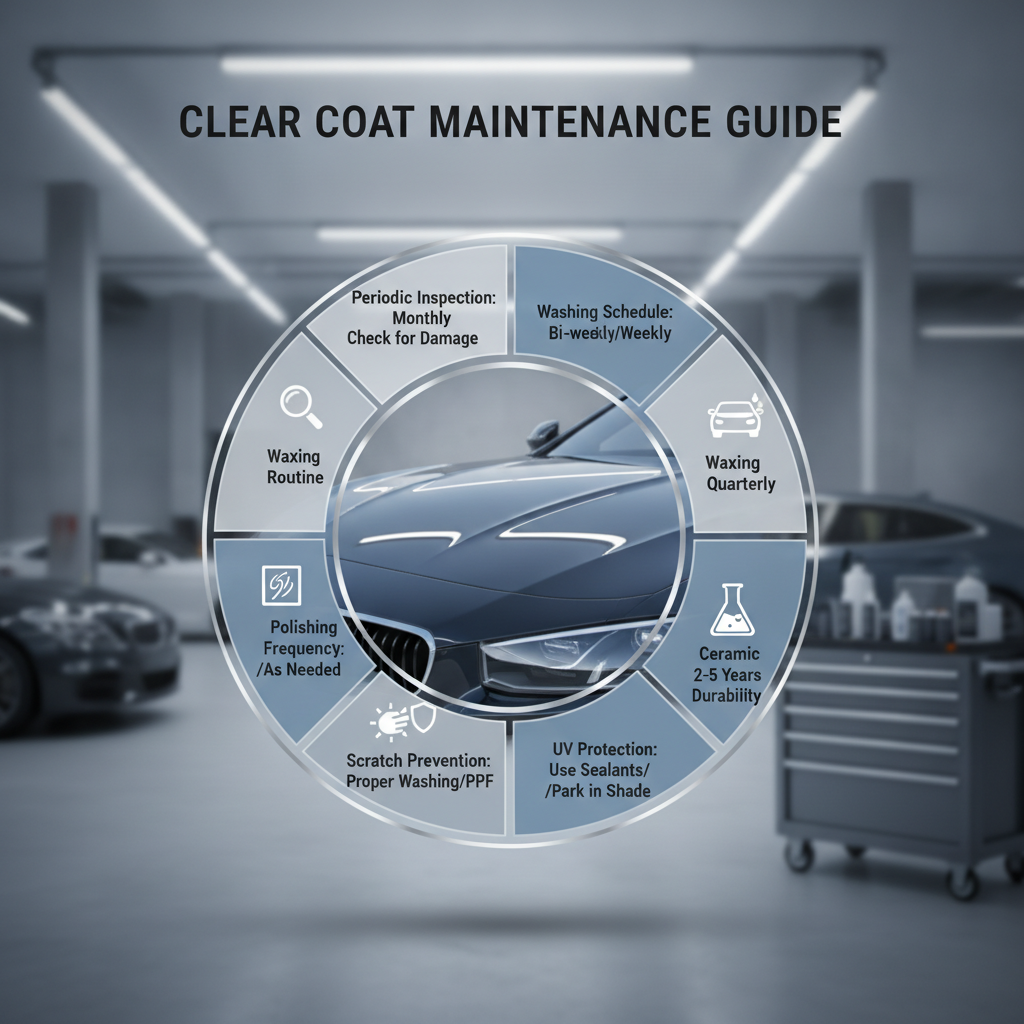
- Protective aftercare: Maintain with regular washes using pH-neutral soaps, quality waxes, or apply an advanced ceramic sealant for a hydrophobic barrier lasting up to 2 years.
Want maximum pop? Layering compounds adds depth and brightness—true professional gloss is built up, not rushed.
Longevity and Ongoing Protection
Maintaining a pristine clear coat means adjusting routines based on environment and driving habits.
Key habits for long-lasting results:
- Maintenance frequency: Inspect monthly and wax every 2-3 months; ceramic coatings need less frequent attention but should be checked annually.
- Watch for warning signs: Noticed dullness, peeling, or hazing? Early intervention helps avoid expensive repaints.
- Professional evaluations: For aging vehicles—especially those pre-1990s with no factory clear—have an expert review the finish every 12-24 months.
Each detail you add now pays off long-term—resale value rises, and the car stays showroom-sharp.
Taking time for clear coat curing, precise polishing, and proactive care means you’ll never wonder if your vehicle’s finish is protected, gleaming, and ready to turn heads every time you drive.
Common Challenges and Solutions in Clear Coating
Understanding common clear coat repair challenges helps vehicle owners recognize peeling, fading, runs, or adhesion problems early, allowing timely auto paint repair that restores both protection and appearance.
Recognizing and Troubleshooting Common Clear Coat Issues
Even professional-grade clear coats can develop peeling, runs, fisheyes, poor adhesion, and uneven gloss—each with its own set of causes and solutions.
Here’s how to quickly diagnose and address these headaches:
- Peeling or flaking: Usually caused by inadequate surface prep or moisture. Sand the damaged area with 1000-2000 grit paper, thoroughly dry, and reapply after ensuring all contaminants are gone.
- Runs and sags: Result from spraying too heavily or holding the gun too close. Sand out runs with fine grit and re-coat using light, even passes at 6-8 inches away.
- Fisheyes (small craters): Typically linked to oil or silicone residue. Clean surfaces with a dedicated wax and grease remover before spraying.
- Uneven gloss/“orange peel”: Can be caused by low gun pressure, improper temperature, or incorrect mixture viscosity. Wet sand and polish affected areas using a compound and microfiber for a wet-look finish.
Remember: “The right prep is 80% of a perfect clear coat,” a mantra we repeat daily at Auto Clinique.
—
Pro Tips for Avoiding Application Mistakes
Small mistakes during clear coating can result in time-consuming corrections or even full resprays.
Apply these best practices for seamless results:
- Always clean and degrease thoroughly after sanding.
- Maintain ideal shop temps (68-77°F; 20-25°C) and low humidity.
- Use overlapping spray patterns and avoid overloading product—especially on panel edges.
- Allow 15 minutes of flash time between coats to prevent bubbling or solvent pop.
“You’ll see the difference—no streaks, no haze, just that professional mirror gloss.”
—
When Professional Help Makes All the Difference
Some clear coat problems signal that it’s time to bring in expert help—for your paint’s protection, and your sanity:
- Widespread peeling or delamination that affects multiple panels.
- Deep UV damage on older cars where the base layer is exposed.
- Multiple failed DIY attempts leading to visible transitions or loss of gloss.
At Auto Clinique in Dallas, our technicians routinely rescue projects with runs, overspray, or uneven blends—restoring factory-quality shine with extra attention to edges and blends.
“Imagine a finish so glossy and resilient that you see yourself in the hood—and trust it’ll last under Dallas sun and storm.”
—
Clear coating is detail work—mastering surface prep, spray technique, and timing will save money and frustration. If ever in doubt, a trusted pro ensures your investment not only looks flawless but stays protected for years to come.
Clear Coat in the Broader Auto Repair Workflow
Clear coat is the final, critical stage in nearly every modern auto paint repair.
It locks in color, boosts gloss, and provides a shield against Dallas sun, rain, and daily driving contaminants.
Picture this: after collision repairs or scratch correction, that transparent layer is what lets your car leave looking fresh from the factory—often in under 12 hours for basic jobs.
Where Clear Coat Fits in the Repair Process
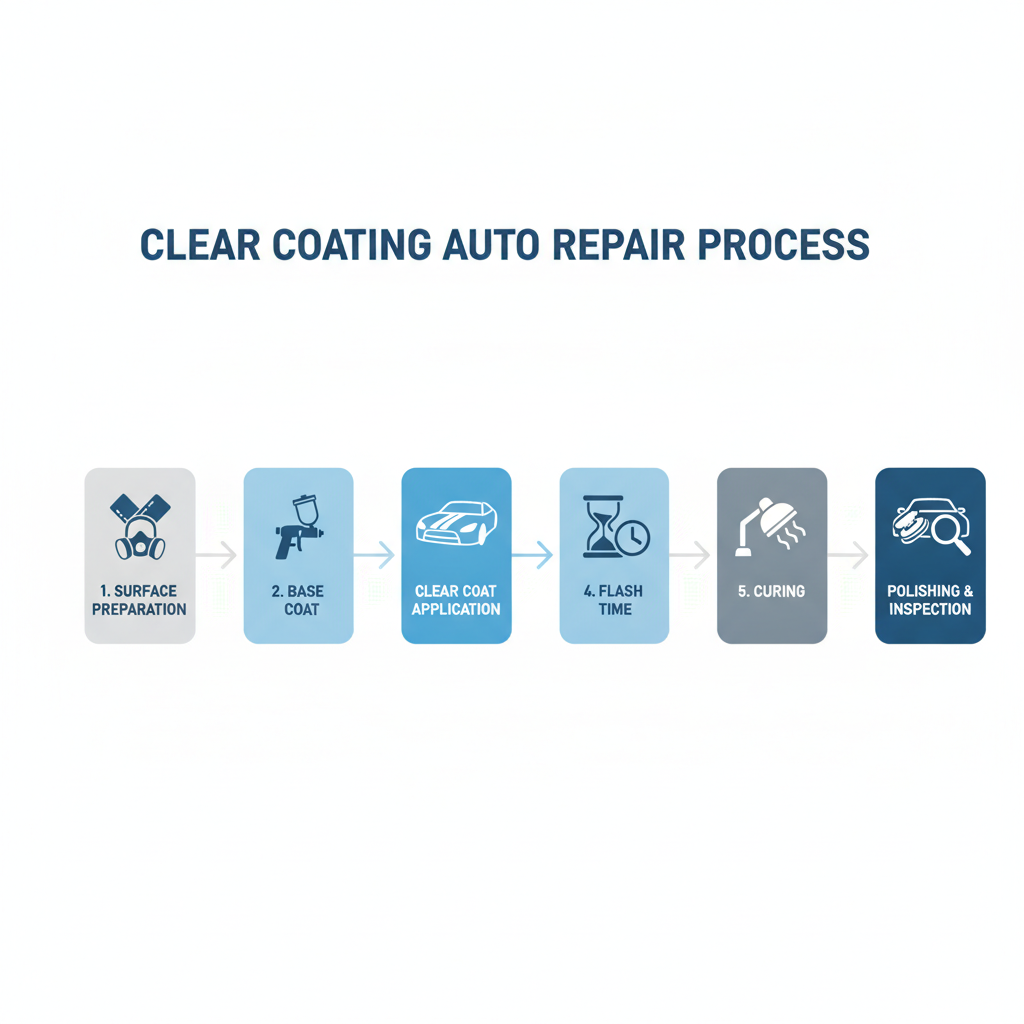
From first assessment to final buff, clear coat comes after:
- Damage assessment: Identifying if the base coat or primer is exposed.
- Base coat application: Applying and curing the vehicle’s color layer.
- Surface prep: Ensuring cleanliness, smoothness, and accurate masking.
- Clear coat spray and cure: Protecting all work done before with even, professional coverage.
This sequence ensures repairs blend seamlessly with untouched panels and original finishes.
Connections with Modern Refinishing Technologies
Advanced clear coats now complement:
- Paint correction methods—such as wet sanding, multistage polishing, or spot blend repairs
- Protective add-ons—like ceramic nano-coatings, PPF (paint protection film), and matte or satin specialty finishes
Shops like Auto Clinique select clear coat formulas that balance durability, appearance, and eco-friendliness, reflecting the expectations of today’s vehicle owners.
“Clear coat is the unsung hero—without it, vivid colors fade, gloss disappears, and the value of your investment drops.”
Reflecting Quality, Integrity, and Customer Focus
How a shop handles clear coating showcases its values:
- Quality: Only premium products, applied in controlled environments, yield results that last for years—not just months.
- Integrity: Honest advice on when full resprays or targeted clear repairs are needed, always clear pricing.
- Customer Focus: Free visual inspections, detailed walk-throughs, and satisfaction checks before delivery.
Simply put, every perfect finish tells a story—of skilled hands, sharp eyes, and dedication to your car.
Next Steps in Your Paint Protection Journey
Curious about the steps before and after clear coating?
Explore these topics:
- Base Coat Selection and Prep: Why color match and proper prep matter
- Advanced Paint Correction Techniques: From swirl removal to restoring gloss
- Paint Protection Options: The truth about films, waxes, and ceramic nano-coatings
A healthy clear coat doesn’t just make your car look better—it protects your investment for years to come.
Whether you’re after factory perfection or custom shine, understanding clear coat’s role is your ticket to repairs you can trust.
Conclusion
A professional clear coat isn’t just about aesthetics—it’s the frontline shield protecting your vehicle from the relentless Dallas sun, daily hazards, and the wear of every mile. By prioritizing expert clear coating, you’re not only ensuring brilliance and longevity for your paint, but also investing in the lasting value and pride of your ride.
To get results you can see and trust, start with these essential action points:
- Prioritize surface preparation to prevent common failures like peeling and bubbling—”Great results start long before the first spray.”
- Choose the clear coat formula that fits your vehicle’s needs—think about gloss, durability, and speed, not just convenience.
- Monitor shop conditions (temperature, humidity, airflow) while spraying and curing for a flawless, resilient finish.
- Follow the correct layering technique—2-3 even coats, proper flash times, and careful blending for invisible repairs.
- Commit to maintenance: Regular wash, wax, and inspection routines will keep your shine strong and your investment protected.
Looking to take the next step?
- Inspect your car’s current finish today—look for dullness, scratches, or signs of clear coat failure.
- Consult an expert if you’re unsure about the best products or if DIY repairs aren’t meeting your expectations.
- Schedule a professional clear coat assessment at a trusted shop like Auto Clinique—your paint deserves hands-on attention, not guesswork.
Quality, integrity, and customer focus drive every repair, and your car’s finish is proof.
The next time you catch your reflection in your car’s paint, remember: that shine is no accident, but the result of skilled hands and smart decisions.
Protect your investment, turn heads with every drive, and let your car’s finish tell the story of care, confidence, and lasting excellence.
For additional information about protecting automotive finishes and maintaining vehicle paint, visit the 3M Automotive resource center. Their expert guides cover paint protection products, surface care, automotive refinishing, and professional maintenance best practices.
FAQs
What is Clear Coating Auto Repair?
Clear Coating Auto Repair is the process of applying a transparent protective layer over automotive paint to improve gloss, durability, and resistance to UV rays, scratches, and environmental damage.
Why is a clear coat important?
A clear coat protects the vehicle’s paint from oxidation, fading, moisture, road debris, chemicals, and minor scratches while enhancing the overall appearance.
How many coats of clear coat should be applied?
Most professional repairs require two to three coats of clear coat with proper flash time between each application.
How long does clear coat take to cure?
Depending on the product and temperature, clear coat generally cures within 12 to 48 hours, although professional curing systems may reduce this time.
Can a damaged clear coat be repaired?
Yes. Minor damage can often be repaired through sanding, polishing, and reapplication, while severe peeling may require refinishing the affected panel.
How can I make my clear coat last longer?
Wash regularly using pH-neutral car shampoo, apply wax or ceramic coating, avoid harsh chemicals, and inspect the finish periodically for early signs of wear.
What causes clear coat failure?
Common causes include UV exposure, poor surface preparation, incorrect application, contamination, excessive moisture, and aging.