
DIY vs Professional Paint and Body Repair decisions affect more than just your car’s appearance—they directly impact safety, durability, and long-term value.
Use these essential insights to confidently choose the right repair method and protect your investment, whether you’re patching a scratch yourself or seeking expert help in Dallas.
- DIY repairs are cost-effective for minor flaws like small scratches, chips, and shallow dents—kits start at $20–$50, but be realistic about your skills to avoid costly mistakes.
- Professional services deliver flawless, durable results for moderate to severe damage or high-value vehicles, ensuring perfect color matches, warranties, and safety compliance.
- DIY saves money but increases risk—18% of DIY jobs result in mismatched finishes or recurring rust, often needing professional correction within a year.
- Professional shops offer transparent, honest estimates and expert assessments, using premium materials and climate-controlled environments ideal for Dallas’s intense heat and sun.
- Safety and quality should always be prioritized—pros use industrial-grade ventilation and protective gear, while DIYers must follow all instructions to prevent health hazards and future damage.
- Repairs done right boost your car’s value by up to 20%—professional outcomes stand the test of time, protecting resale and keeping your ride looking its best.
- Choose the method that matches your vehicle’s value, your skills, and your expectations—“good enough” is fine for old beaters, but lease returns or luxury cars demand expert finishes.
Smart decisions start with honest self-assessment—explore the full article to find expert guidance, practical checklists, and Dallas-specific tips for results you can trust.
DIY vs Professional Paint and Body Repair: Key Differences
You spot a scratch on your car just before heading to work, and in that moment—the question hits: Can you fix it yourself, or should you call in a pro?
For Dallas drivers, a decision like this is more than cosmetic. It’s about protecting your vehicle’s value, getting peace of mind, and choosing what works best for your wallet and schedule.
The rise of easy-to-use repair kits and thousands of online tutorials makes DIY fixes tempting—but national studies reveal over 60% of at-home repairs need professional correction within a year, often due to overlooked rust or mismatched paint.
Think about what matters most for your car:
- Are you aiming for a “good enough” fix for minor dings, or do you need a result that’s indistinguishable from factory-new?
- Is the job as simple as a touch-up, or are you dealing with major dents, fading from Dallas’s sun, or collision damage?
- Do you trust your skills and your tools, or would an expert’s warranty and lasting durability be worth it?
Choosing the right repair method directly impacts your car’s appearance, safety, and resale value. The wrong shortcut can cost more in the long run—not just money, but confidence every time you see that repair.
This guide brings you clear, honest comparisons so you’ll know:
- When a DIY job truly makes sense (and when to walk away)
- The real costs, benefits, and risks of both approaches
- How to weigh your own needs against the long-term value of your investment
Dallas weather, fast-moving schedules, and rising repair standards mean today’s choices make tomorrow’s repairs easier or harder.
Ready to discover which path fits your car, your skills, and your peace of mind? Up next: an inside look at the key differences between at-home repairs and professional solutions—so you can move forward with confidence.
Overview of Paint and Body Repair Approaches
Picture this: You discover a fresh scratch on your car’s door in the morning light. Should you try fixing it yourself or trust a professional? The right choice often comes down to the type of damage, your skill level, and how much you value a flawless finish.
Paint and body repair covers everything from tiny paint chips and shallow dents to full panel replacements and complete restorations. In Dallas, drivers typically encounter:
- Minor scratches or dings from parking lots
- Bigger dents after hail storms
- Faded paint from sun exposure
- More serious collision damage
The scope of work determines what’s possible at home versus in a shop.
Choosing the Right Repair Method
More than just a matter of convenience, how you repair your car affects its look, safety, and value. Ask yourself:
- Is the damage cosmetic (small chips, minor dents) or structural (deep scratches, bent panels)?
- How important is a seamless, like-new finish—especially on higher-value cars or lease returns?
- Do you have the right tools, patience, and experience to match factory results?
For example, online data shows that DIY repair kits can cost as little as $20–$50, but if a mistake leads to paint mismatch or rust, professional fixes may quickly exceed $500–$1,500 for moderate damage.
When to DIY vs. Hire a Professional
Generally, DIY is best for low-stakes jobs where imperfections are acceptable—think touch-up paint, shallow scratches, or minor dents.
Professional services shine when:
- The damage is medium to severe or affects multiple panels
- Your car is valued above market average, or you want to protect resale value
- Complex repairs, such as frame work or color blending, are required
Remember, “A small fix at home is reasonable; trusting an expert guarantees your peace of mind.”
Customer-Centered Decisions for Lasting Results
Auto Clinique is committed to clear advice, honest assessments, and quality repairs that last—whether you’re curious about DIY or need expert help. Our mission is to help Dallas drivers feel confident and informed every step of the way.
Your next step: Evaluate the damage, stay realistic about your skills, and choose the approach that prioritizes your car’s long-term value. Let quality and integrity guide you—your car deserves it.

DIY Paint and Body Repair: When, Why, and How
Minor dents, car scratch repair, and vehicle paint repair can sometimes be handled at home using DIY car paint repair kits and touch-up products. However, choosing the right Paint and Body Repair method depends on the damage severity, your skill level, and whether long-term durability or factory-quality appearance matters most.
Suitable Scenarios for DIY Repair
DIY paint and body repair is best for minor issues—think small scratches, light door dings, or tiny paint chips you notice while washing your car.
For these minor blemishes, you can safely assess the damage at home by checking:
- Is the scratch or chip smaller than a quarter?
- Is the dent shallow, with no paint cracking or exposed metal?
- Are you confident there’s no structural or rust damage?
If the answer is yes, a DIY fix is a smart option.
But when you see:
- Deep gouges into the metal
- Paint flaking over large areas
- Large or sharp dents near seams
You’re better off leaving it to professionals. Picture this: misjudging damage can turn a weekend project into months of headaches.
Benefits of Tackling Repairs Yourself
The biggest draw? Significant cost savings—many kits for scratches or chips cost under $30, while pro repairs start at $150.
Other perks to tackling repairs DIY include:
- Control and convenience—work on your schedule, no shop drop-offs needed.
- Hands-on learning—every repair builds your skillset, turning mistakes into future know-how.
- Satisfaction—there’s nothing like seeing your handiwork shine on your driveway.
“Skip the wait, skip the bill—DIY lets you take charge of small fixes with confidence.”
Common DIY Methods and Tools
Most at-home repairs use these popular methods:
- Touch-up paint pens or bottles for chips and scratches
- Scratch and dent repair kits, including pulling tools and fillers
- Sandpaper and rubbing compounds for smoothing
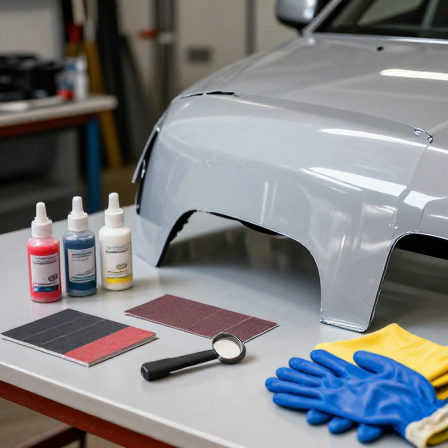
Essential supplies for your DIY toolkit:
- Sandpaper (320–2000 grit)
- Automotive primers and paints
- Applicators, microfiber cloths
- Rubber gloves and painter’s tape
You’ll find thousands of video tutorials and step-by-step blogs—most guides are designed for true beginners.
“Picture this: your kitchen table becomes a workshop, your laptop displaying an easy-to-follow paint pen tutorial.”
Risks, Drawbacks, and Hidden Costs
DIY comes with real risks:
- Uneven finishes and color mismatches are common—18% of DIY repairers say the results didn’t match their car’s look.
- Tiny mistakes can lead to peeling, fading, or even rust you won’t notice until months later.
- No warranties or guarantees—any error means paying again for professional help.
- Time adds up: even a “quick” touch-up can stretch into hours (or days) after a learning curve.
“Saving money up front is smart, but cutting corners can cost double later—especially if rust or value loss sneaks in.”
Choosing DIY is about balancing savings and skills against visible results and long-term value. For simple scratches and chips, it’s empowering; for anything bigger, consider a professional to protect your investment.
Professional Paint and Body Repair Services: Advantages and Considerations
Professional Paint and Body Repair becomes essential when vehicle damage goes beyond surface-level scratches or minor dents. Choosing expert collision repair services protects your vehicle’s safety, appearance, and resale value—especially for newer cars, luxury vehicles, or damage caused by Dallas traffic, hail storms, and intense sun exposure. Certified technicians use advanced paint matching services, frame repair services, and automotive refinishing services to restore factory-quality results that DIY car paint repair simply cannot replicate long-term.
When Professional Service Is the Best Choice
Choosing professional paint and body repair becomes non-negotiable for:
- Moderate to severe damage: Deep dents, crumpled panels, or anything involving the frame
- Large or highly visible damage: Quarter panels, hoods, doors, or bumpers exposed to daily viewing
- High-value or newer vehicles: Where the outcome dramatically affects resale or appearance
- Insurance claims and safety repairs: Protecting your investment and peace of mind
A seasoned technician offers an accurate, honest assessment, preventing overlooked problems and costly mistakes.
Picture this: Your brand-new SUV sideswiped in Dallas traffic. A trusted professional ensures flawless, showroom-worthy results—no guesswork, just guaranteed quality.
Key Benefits of Professional Repairs
Professional body shops deliver results that last. The top benefits include:
- Consistent, high-quality finishes: Perfect color matching using computerized systems, seamless blending even on tricky metallics
- Advanced equipment: Spray booths create clean, dust-free environments; industrial-grade materials outlast DIY paint
- Warranties and guarantees: Most shops back their work, giving you real security against future issues
- Safe, efficient repairs: Professionals follow strict safety codes and precise rust prevention steps
“Your car’s finish isn’t just for looks—it safeguards value and long-term reliability.”
Understanding Professional Repair Workflows and Processes
A quality shop follows a step-by-step process:
- Assessment: Honest inspection and personalized repair plan
- Prep: Thorough cleaning, sanding, and masking
- Repair & painting: Precision techniques, top-tier coatings, calibrated curing
- Finishing: Polishing and quality checks for a flawless result
Clear communication, upfront pricing, and authentic care define the customer experience.
Every stage demonstrates expert craftsmanship and reinforces the shop’s integrity. “Great repairs build lifelong trust.”
Costs, Timeframes, and What to Expect
Expect transparent pricing, with costs made up of:
- Labor: Skilled hours, from inspection to final polish
- Materials: Premium paints, fillers, and equipment
- Parts (if needed): Panels or trim replacements
Most minor repairs are completed in 2–5 days, while full restorations may take weeks, depending on shop workload and vehicle complexity.
Common variables impacting cost and schedule:
- Extent of damage
- Type of vehicle
- Parts availability
- Insurance approval process
Professional shops balance speed with meticulous quality.
Choosing professional repair means investing in durability, perfect finishes, and peace of mind with warranties and transparent service. “Your vehicle deserves trusted craftsmanship—because details matter every mile on Dallas roads.”
Comparing DIY vs. Professional: Decision Factors for Vehicle Owners
Choosing between DIY car paint repair and professional Paint and Body Repair depends on more than cost alone—it affects your vehicle’s finish quality, safety, durability, and long-term value. While DIY solutions may work for light car scratch repair or small dents, professional auto body repair services provide advanced paint matching services, collision repair services, and automotive refinishing services designed to deliver factory-level results with warranties and long-lasting protection.
Objective Comparison Table: Key Aspects Side-by-Side
Scan this matrix before you pick up a wrench or call the shop. Every factor shapes your repair experience and bottom line.
| Aspect | DIY Repairs | Professional Repairs |
|——————-|————————————-|——————————————–|
| Best For | Minor scratches, paint chips, light dents | Moderate/severe damage, collisions, full restorations |
| Cost | Lower upfront, risk of hidden costs | Higher upfront, added value and warranty |
| Quality | Variable, often imperfect | Consistent, flawless, showroom finishes |
| Time | Flexible (may be lengthy) | Fast turnaround, minimal downtime |
| Risk | High (errors, no warranty) | Low (expertise, warranty protection) |
| Aspect | DIY Repairs | Professional Repairs |
|---|---|---|
| Best For | Minor scratches, paint chips, light dents | Moderate/severe damage, collisions, full restorations |
| Cost | Lower upfront, risk of hidden costs | Higher upfront, added value and warranty |
| Quality | Variable, often imperfect | Consistent, flawless, showroom finishes |
| Time | Flexible (may be lengthy) | Fast turnaround, minimal downtime |
| Risk | High (errors, no warranty) | Low (expertise, warranty protection) |
“DIY repairs save money on minor paint chips—but your risk of a mismatched finish or future rust is real.”
**Choosing a pro ensures expert protection, lasting value, and peace of mind.”
Factors to Consider Before Making a Decision
Ask yourself these questions before picking an approach:
- How comfortable are you with repairs? If you haven’t worked with auto paint or body fillers, start small or seek help.
- What’s your vehicle’s value and age? Newer or higher-value vehicles benefit most from professional bodywork, while older, well-used cars may be suitable for DIY fixes.
- Do you want “good enough” or a flawless finish? Touch-up pens might hide a scratch, but won’t match the depth of a shop’s color blending or gloss.
Picture this: A worn truck gets a quick scratch cover-up in your driveway. It works for now—but compare that to a black luxury sedan, where a seamless paint match truly matters for resale and pride of ownership.
Potential Outcomes and Customer Stories
See the difference real-world examples make:
- A Dallas customer covered several rock chips on their daily driver with a $30 kit, saving hundreds; months later, fading and rust started to show.
- Another driver chose professional repair after a garage door scrape on their new SUV—within two days, the finish looked brand new and included a written warranty.
- Nationwide trends show up to 60% of minor DIY repairs require professional correction within a year due to hidden mistakes.
Every decision point is a chance to invest in your car’s safety, look, and long-term value. Choose the solution that matches your skill, your vehicle, and how much you care about a lasting, flawless result.
Safety, Quality Assurance, and Long-Term Value
Safety Considerations in Both Approaches
Safety should never take a backseat—whether you’re reaching for a can of touch-up paint or driving your car into a full-service body shop.
Many DIYers underestimate the dangers of improper paint or chemical handling, leading to risks like fumes, skin irritation, and accidental fires. Even most “beginner-friendly” kits require gloves, eye protection, and serious ventilation.
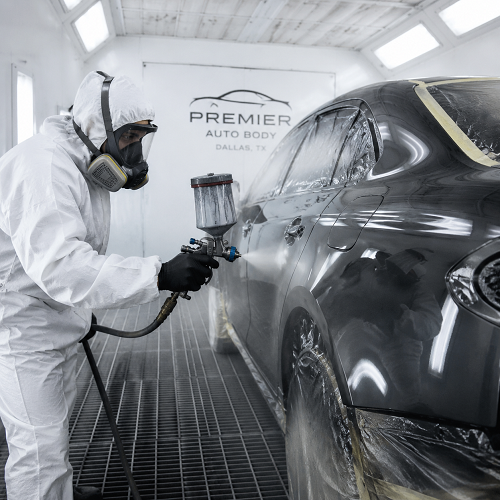
Professional repair shops are built for safety. Their teams use:
- Industrial-grade ventilation systems to clear toxic fumes
- Full-body protective gear: respirators, gloves, goggles
- Safe chemical storage and disposal practices
- Training in paint application to protect both people and vehicles
If you’re working at home, remember: A simple mask won’t filter out all paint fumes. Picture this—spraying a fender in your garage can leave the air heavy and your lungs vulnerable.
Ensuring Lasting Results
The secret to a beautiful, durable finish? It’s all in the prep and paint—regardless of who wields the tools.
Without correct sanding, priming, and careful paint application, even a tiny scratch repair risks premature rust, bubbling, or fading. Professionals follow a meticulous process for every job:
- Cleaning and prepping every surface
- Using exact-match primers, fillers, and paints
- Curing finishes in temperature-controlled booths
DIYers can boost their own outcomes by:
- Reading product instructions twice
- Allowing proper curing and drying times
- Sealing repairs to block out moisture and salt
Simple maintenance makes a difference: Wash repaired spots regularly, use a quality sealant, and park in covered areas to extend your work’s lifespan.
When to Seek Additional Help
Sometimes damage—like peeling clear coat or small blisters—shows up weeks after your initial repair. Don’t wait for minor issues to spiral into full-blown rust or costly rework.
Consider a second opinion when you notice:
- Persistent surface flaws or color mismatch
- Return of rust in the same area
- Loss of gloss or visible cracking
Professional shops offer warranties and post-repair support—an unmatched safety net if quality is your priority.
After any paint or body repair, put safety and quality first. The best investment: protecting you, your car, and its long-term value—whether you do it yourself or trust the pros.
Guiding Dallas Car Owners: Choosing Trusted Service
Finding the right shop for your vehicle in Dallas isn’t just about price—it’s about quality, integrity, and customer focus from the first call to final inspection.
Dallas’s heat, humidity, and intense sun can speed up paint fading and stress repairs. That makes it crucial to find a provider with real expertise in finishes and materials that withstand Texas weather.
Local Climate and Practical Considerations
Before you choose, consider these Dallas-specific factors:
- UV rays and heat cause standard repairs to deteriorate faster—professionals should use factory-grade, UV-resistant paints and proper sealants.
- Dallas body shops must meet local regulations around paint handling and waste disposal.
- Fast weather changes can affect paint curing processes; professionals offset these risks with climate-controlled environments.
Picture this: you notice small chips on your hood after a summer hailstorm. A pro can assess, prepare, and paint with industrial-grade tools so repairs last—even under the next Texas sun.
What Sets the Best Shops Apart
Evaluating an auto body shop? Focus on professionalism, transparency, and customer care:
- Does the shop provide detailed, honest estimates—with no vague pricing?
- Are staff certified and willing to answer your questions, or do they brush off concerns?
- Do they stand behind their work with clear warranties and follow-up support?
A trusted shop also documents each step—from prep to finishing—so you’re never left in the dark.
Why Integrity and Craftsmanship Matter
Choosing a provider aligned with expert craftsmanship, honest pricing, and exceptional attention gives peace of mind. Shops like Auto Clinique blend skill and technology to deliver repairs that look good months—and years—down the road.
Every vehicle repair tells a story: A Dallas family invests in a full bumper respray after a minor fender bender. A year later, the finish still matches perfectly, preserving the car’s value and safety.
Building Long-Term Trust and Value
The right choice isn’t just about fixing what’s broken—it’s about safeguarding your investment:
- Professional-grade repairs boost resale value by as much as 20% over DIY fixes.
- Shops that emphasize customer experience actually save time and money by getting it right on the first visit.
- Trusted partners offer guidance on future maintenance, not just a sales pitch.
Look for a shop where expert advice and genuine care come standard. That’s how you know your car—and your trust—are in good hands.
Selecting a shop committed to long-term value, honesty, and outstanding service is the best way to ensure every repair is both beautiful and built to last.
automotive paint safety guidelines
Deciding between DIY and professional paint and body repair is more than a simple choice—it’s about protecting your car’s appearance, safety, and overall value. When you evaluate each situation honestly, you empower yourself to make decisions that guarantee quality and peace of mind for the long haul.
You hold the keys to better repairs. Whether you’re considering a quick at-home fix or ready to entrust your vehicle to Dallas’s best, keeping your priorities clear ensures you get results worth every mile.
—
Key Takeaways:
- Assess the damage realistically—minor issues may suit DIY, while bigger repairs deserve expert attention.
- Prioritize long-term value—flawless finishes and factory-matched paints protect your investment.
- Put safety first—always use proper ventilation and gear, or rely on professionals equipped for the job.
- Look for integrity and warranties—a reputable shop offers transparent estimates and stands behind their work.
- Factor in Dallas climate—choose repair options and materials designed to withstand Texas’s sun and storms.
—
Ready for your next move?
- Walk around your car and identify areas needing repair.
- Decide honestly if your skills and tools match the job—or if it’s time for a professional consultation.
- Reach out to a trusted, customer-focused shop like Auto Clinique for an honest assessment.
- Protect your vehicle’s value by scheduling repairs before small problems become big issues.
—
You don’t have to choose between peace of mind and smart spending. When you put quality, integrity, and safety first, your car will reward you every day on the road.
The best repairs aren’t just fixes—they’re investments in trust, craftsmanship, and years of confident driving. Make your next repair decision one you’ll be proud of, today and down the line.
Professional Auto Body Repair Services in Dallas
FAQs
1-Is DIY vs professional paint and body repair worth it for small scratches?
Yes, DIY repairs work for very minor scratches, but results vary and lack durability.
2-Which option is safer: DIY vs professional paint and body repair?
Professional repair is significantly safer due to proper ventilation, equipment, and trained technicians.
3-Does professional paint and body repair increase resale value?
Yes. High-quality professional repairs can increase resale value by up to 20%.
4-How long do professional paint and body repairs last?
When done correctly, professional repairs can last for years without fading or rust.