
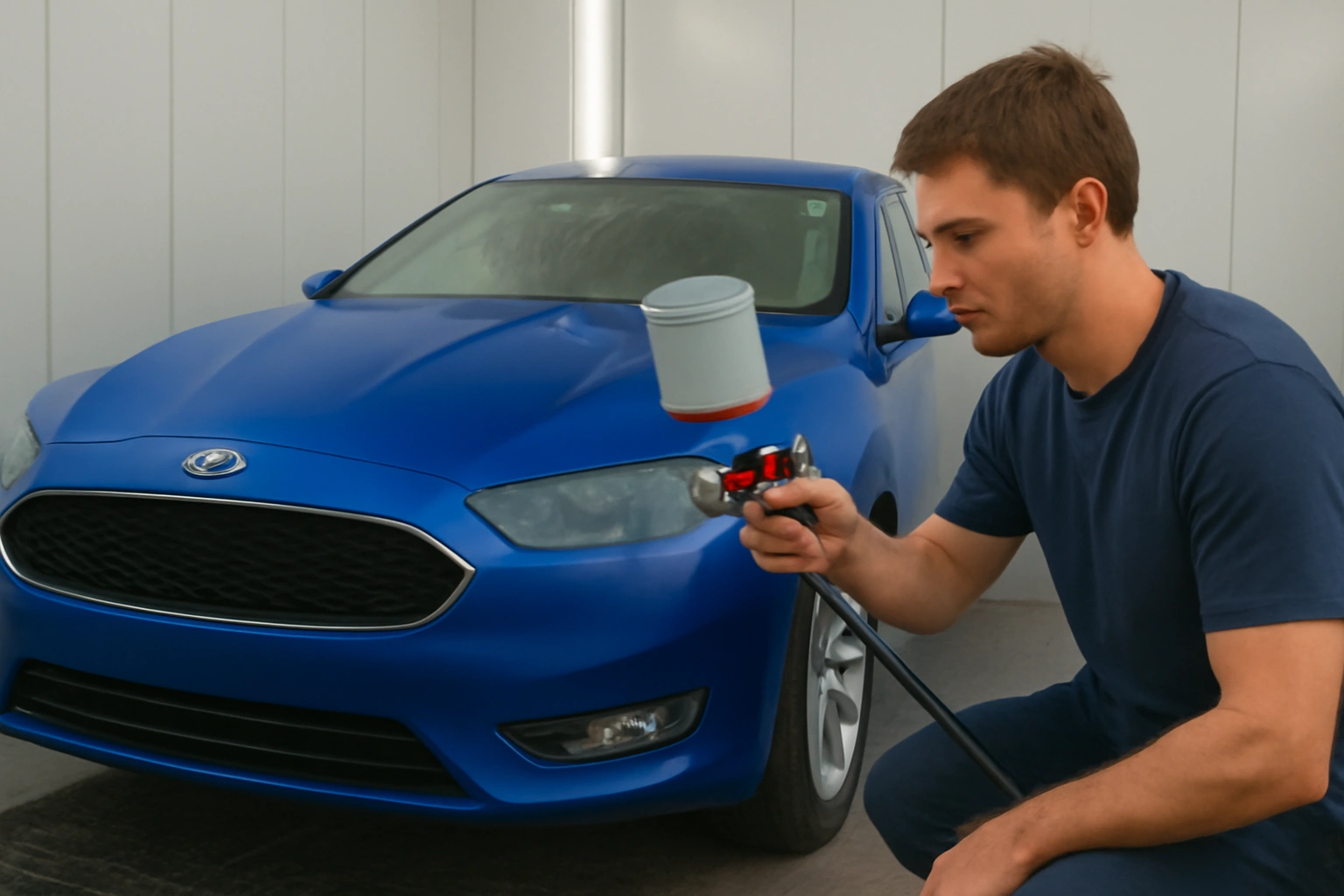
Car Paint Repair is more than cosmetic—it’s a strategic investment in your vehicle’s value and appearance. Here’s what Dallas drivers should know before scheduling that repair or considering alternatives:
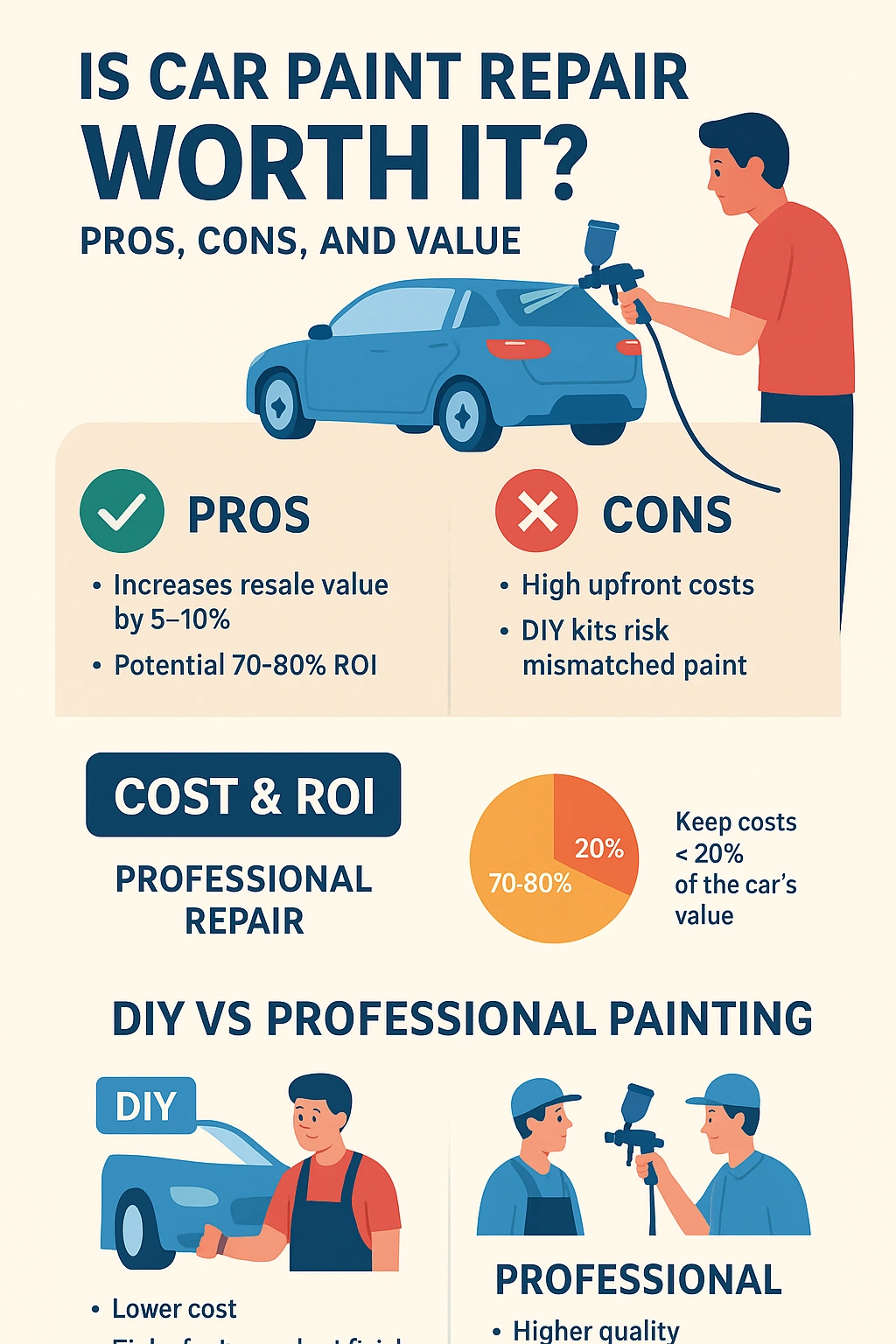
- Visible paint damage drops your car’s value by 5–10% on average, making fast, professional repairs a direct investment in higher resale or trade-in offers.
- Professional paint repair delivers up to 70–80% ROI, especially for vehicles under 10 years old or those in high demand—meaning your repair cost can pay for itself and more.
- DIY kits save money upfront but risk mismatched color, uneven finishes, and costly correction jobs if you plan to sell or want a flawless look.
- Alternatives like Paintless Dent Repair (PDR) and vinyl wraps offer fast, budget-friendly solutions for minor dents or quick refreshes—PDR typically costs $75–$200 per panel and is completed in under an hour.
- For maximum value, keep repair costs under 20% of your car’s market value and always get a clear, honest estimate before proceeding, especially on older or lower-value vehicles.
- Prompt repairs prevent bigger headaches—small chips today can become expensive rust repairs tomorrow, so early action saves money in the long run.
- Choose reputable shops with certified technicians for the best results—warranties, advanced color matching, and transparent pricing signal trustworthy, high-quality service.
- Strategize repairs for Dallas’s hot weather and competitive market—schedule before listing, prioritize exterior upkeep, and select neutral shades to minimize value loss.
For the best return and long-term satisfaction, invest in professional car paint repair when appearance, value, or resale really matters. Discover all your options and make confident, well-informed decisions by exploring the full article.
Introduction
A single scratch can do more than catch your eye—it can quietly shave 5-10% off your car’s market value. That adds up fast, especially in Dallas, where a sleek exterior isn’t just pride—it’s money in your pocket.
Maybe you’ve shrugged off a few stray chips from highway gravel or watched the Texas sun fade your car’s once-glossy finish. But did you know that even minor paint damage can open the door to costly rust repairs and lower trade-in offers down the line?
Here’s a reality check for every driver who’s ever dreaded parking lot scuffs or wondered if a quick DIY kit is “good enough”: Over 60% of buyers say a car’s appearance is their top concern—and small blemishes can quickly become deal-breakers.
So, is professional paint repair the smart investment it’s rumored to be, or just another expense competing for your hard-earned dollars? Getting it right means:
- Protecting your vehicle’s long-term value
- Making confident decisions about repairs vs. replacements
- Avoiding common mistakes that can cost more later
You’re likely weighing options: When is a quick touch-up worth it, and when does expert, warranty-backed work actually pay off? How do you know if you’re getting real return on investment or just temporary peace of mind?
As Dallas’s trusted auto care professionals, we’re here to guide you through the real pros and cons—with transparency, not sales pitches. We’ll unpack:
- What car paint repair really involves—and when it matters most
- The true financial impact on resale and trade-in offers
- How Dallas weather, vehicle age, and market trends shape your best choices
- When to DIY, when to call the pros, and what alternatives make sense
Curious about how a crisp exterior could save—or earn—you thousands? Let’s take a closer look at when car paint repair is actually worth it, starting with why it matters for Dallas drivers and their investments.
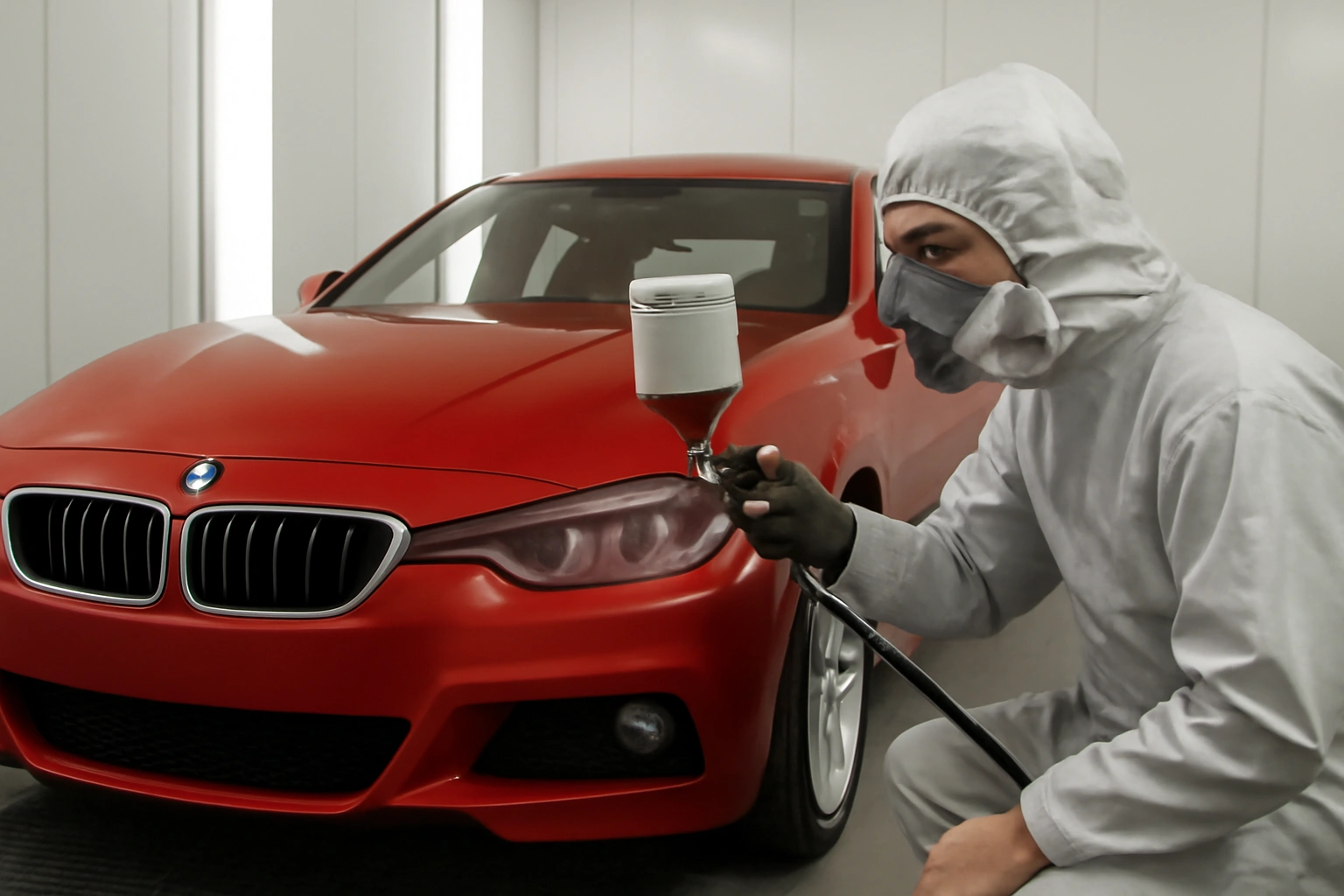
Understanding Car Paint Repair: When and Why It Matters
Car paint repair is all about restoring your vehicle’s exterior finish, whether it’s a quick fix for a scratch or a professional solution for extensive damage.
For many Dallas drivers, this service is the first step in protecting their investment and keeping their ride looking sharp.
What Is Car Paint Repair Used For?
Most car paint repairs address a few common paint issues:
- Scratches from keys, shopping carts, or stray branches
- Paint chips caused by road debris and daily driving
- Fading or dullness from sun exposure or harsh weather
- Oxidation that leaves a chalky, tired look on older cars
Each problem not only affects how your car looks today—it can also open the door to rust and more expensive bodywork down the line.
The Hidden Impact of Paint Damage
A fresh paint job does more than turn heads; it safeguards your car’s value.
Over 60% of car buyers say exterior condition is their top concern, and even small blemishes can drop your car’s market value by 5-10%.
If you’re picturing that sun-faded hood or a string of rock chips across the front, know that these flaws weaken the paint barrier, letting in moisture and setting the stage for costly rust repairs later.
When Do People Consider Car Paint Repair?
Car paint repair isn’t just for post-fender bender emergencies or after a hailstorm.
Dallas drivers frequently weigh repair after:
- Minor accidents or scraped bumpers
- Aging vehicles that have lost their original luster
- Weather exposure, especially intense Texas sun or sudden hail
- Preparing for resale or trade-in
Our team emphasizes quality and customer-driven recommendations—if repainting isn’t the best move for your specific goals, you’ll get honest advice on alternatives.
Repair vs. Alternatives: Making the Right Choice
Paint repair isn’t always a one-size-fits-all answer.
We help you decide if a simple touch-up, professional paint correction, or even leaving minor blemishes alone is the best call for:
- Your vehicle’s age and use
- Your budget and future plans
- Market value goals
For immediate impact, a skilled paint repair can turn an older car into the pride of your driveway—or instantly boost sale potential.
Paint repairs are about more than just looks: they’re a strategic investment in your vehicle’s future resale value and overall integrity. The right decision starts with a clear evaluation of your car’s condition and your personal goals.
Financial Impact on Vehicle Value
Paint condition can make or break your car’s value—literally.
Visible paint damage drops resale and trade-in offers by 5-10% on average. On a $20,000 vehicle, that’s a potential immediate loss of $1,000-$2,000 you’ll feel right away.
Why Paint Matters to Buyers
For buyers, first impressions count. Over 60% say exterior aesthetics is their top shopping factor.
Imagine two similar cars side-by-side: one gleaming with fresh paint, the other with scratches and chips. The first will almost always command a higher price and sell faster, especially in a market like Dallas where vehicles double as status symbols.
The ROI of Investing in Paint Repair
Professional paint repair isn’t just cosmetic—it’s strategic.
- Well-executed repairs can increase trade-in or resale by 10-20%, a significant margin on any recent model.
- Average Return on Investment (ROI) for quality paint repair runs 70-80%, making the expense far more recoverable than many upgrades or accessories.
It’s the difference between accepting a loss or boosting your negotiating power with a car that sells itself.
Factors Influencing Your Outcome
Several factors shift how much value you get back:
- Vehicle Age & Model: Newer or high-demand vehicles see greater value gains from paint repairs than older, low-value ones.
- Local Dallas Trends: Hot weather, intense sun, and hail make exterior care a must for North Texas buyers.
- Private Sale vs. Trade-In: Repairs matter more for private sales where buyers inspect every detail. Dealerships may discount for damage, but often fix paint in bulk, offering less incentive for prior repairs.
Shareable Takeaways and Scenarios
- “A $1,000 paint job could net you up to $2,000 more at sale—double your investment right back in your pocket.”
- “In Dallas, a perfect exterior isn’t just preferred—it’s expected.”
Paint repair is often a smart move when prepping for sale or trade-in, especially if your car is less than 10 years old or in high local demand. If you’re aiming for top dollar and a fast sale, investing in a great finish is your best shortcut to higher offers.
Cost Analysis: Professional vs. DIY Paint Repair
When it comes to fixing your car’s paint, the biggest question is often cost—and what you really get for your money.
Professional paint repair comes in a wide range of price points, depending on what your vehicle needs:
- Minor touch-ups: $50–$200
- Scratch/dent repairs: $150–$1,000
- Full panel repainting: $500–$1,500
- Complete body repainting: $1,500–$4,000+
DIY kits look tempting at $50–$150, but there’s a reason the pros charge more. DIY repairs rarely match the finish or durability of a shop job—and sometimes, they cause more harm than good.
What Drives Repair Costs Up or Down?
The price tag for paint work hinges on a few key factors:
- Extent of damage: Deep scratches or wide patches always cost more
- Location: Damage in visible or difficult-to-reach areas requires extra labor
- Color complexity: Metallic or custom-mixed paints drive up expenses
- Shop quality: Higher labor rates bring more experience and better results
A quick scenario: Paint matching a pearl-white Lexus door costs far more than touching up a black sedan’s fender. Local Dallas labor rates and demand also influence the final bill.
Risks and Downsides: DIY vs. Pro
Here’s where DIY gets risky:
- Imperfect color matching and uneven finishes stand out, often lowering resale value
- Missed prep work can cause bubbling or peeling within months
- Hidden costs pile up if you eventually hire a pro to fix a failed DIY attempt
“Knocking $1,000 off your car’s resale price over a $50 home repair gone wrong can be a tough lesson for anyone.”
Professional shops deliver peace of mind by providing:
- Precise color matching using manufacturer codes
- Warranty options for lasting quality
- Dust-free, controlled environments to create seamless finishes
Satisfaction, Value, and Key Takeaways
“When appearance, value, and durability really matter, professional paint repair delivers the highest ROI.” Busy Dallas drivers should weigh the cost of DIY mistakes against the higher, but more predictable, value of expert service.
Ultimately, expert repairs bring long-term satisfaction, better resale value, and confidence in your vehicle’s look—advantages that almost always justify the initial investment.
Evaluating the Benefits of Car Paint Repair
A fresh, flawless paint job does more than turn heads—it’s often the difference between a car that commands top dollar and one that lingers on the lot. Professional paint repair restores a vehicle’s original color, high-gloss shine, and showroom appeal, immediately making any vehicle look newer and better maintained.
Why Aesthetics and Value Go Hand-in-Hand
For over 60% of car buyers, exterior appearance is the #1 deal-breaker when shopping pre-owned. Even a few paint chips or scratches can cause a car’s market value to drop by 5-10%, costing $1,000–$2,000 on a $20,000 car.
But here’s the opportunity: A professional paint repair can increase resale value by 10-20%, especially for newer models or in-demand colors.
Picture this: A once-dull, scuffed hood now gleams in the Texas sun—potential buyers see proof of care and quality in every reflection.
Benefits Beyond Looks—True Protection and Peace of Mind
Restoring paint isn’t just about style. It’s about protecting your investment:
- Long-Term Protection: Professional repairs seal out moisture, preventing small chips from turning into costly rust spots or frame damage.
- Savings Down the Road: Catching paint issues now prevents weather and road salt from causing advanced corrosion—saving hundreds, even thousands, in future bodywork.
- Value Preservation: Well-maintained paint ensures appraisers and buyers offer maximum value, whether you’re trading in or selling privately.
As the Dallas market heats up, well-kept finishes distinguish your car from the rest—especially in the hot sun and unpredictable weather.
The Technical Edge of Professional Service
DIY kits can’t compete with the expertise and tools professionals bring:
- Advanced tools like rotary polishers and strategic sanding achieve flawless results.
- Precise color matching restores even complex or rare vehicle shades.
- Quality-controlled environments ensure a long-lasting, even finish—no patchy spots or streaks.
Expert repairs include warranties, protecting your satisfaction and your investment.
Think of it this way: “High-quality paint repair does more than fix what’s broken—it preserves what you love about your vehicle.”
Fast Repairs Avoid Bigger Headaches—And Expenses
Prompt repairs now can prevent major bodywork later. A small chip left untreated can evolve into widespread rust, potentially totaling the vehicle or leading to expensive replacements.
Every repair at Auto Clinique follows our core values—quality, transparency, exceeding expectations—so you know your car is getting precision care at every step.
Choosing quality paint repair is about more than looks: it’s an investment in your car’s future value, longevity, and your own peace of mind. That’s trusted service, delivered—every single time.
Considering the Drawbacks and Limitations
When deciding if car paint repair is worth the investment, it’s essential to weigh the potential downsides against the benefits.
Some limitations and risks become especially significant depending on your vehicle’s age, market value, and intended use.
Major Drawbacks to Professional Paint Repair
Common cons include:
- High repair costs, especially for older or low-value cars, where $1,000+ for paint may not boost resale enough to justify the spend
- Limited results for deep scratches, rust, or extensive fading—even advanced shops can’t always fully restore severely weathered paint
- Color matching challenges for cars with aged, unique, or custom paint; a newly repaired panel can highlight previous fading, leaving subtle differences
A $2,000 paint job on a car valued at $3,000 makes little financial sense—a classic example of diminishing returns.
Navigating Diminishing Returns
At a certain point, the cost of paint repair outweighs value gained:
- Repairs exceeding 40-50% of the car’s market value typically result in a negative return on investment
- For vehicles approaching the end of their lifecycle, major paint work won’t prevent steep depreciation or boost desirability for buyers
“Spending big on paint doesn’t always mean you’ll get your money back—think resale value, not just curb appeal.”
Lasting Impact on Vehicle History and Market Perception
Comprehensive or repeated paint repairs often show up on vehicle history reports (Carfax or Autocheck):
- Multiple entries can make potential buyers question if the car was involved in major accidents or chronic cosmetic issues
- Dealerships in Dallas may offer noticeably less for vehicles with “repaired” histories, compared to one-owner, accident-free listings
Even a flawless finish can’t erase concerns over multiple past repairs. “Perfect paint, imperfect history—it can cost you in private sales.”
Risks of DIY vs. Professional Results
Complex damage reveals stark differences between outcomes:
- DIY repair kits can save up-front, but mismatched color or improper prep often leads to noticeable “patchwork”—sometimes costing more for professional correction afterward
- Professional shops use sophisticated tools, spray booths, and color databases for consistent results—warranty protection adds peace of mind that DIY can’t match
“Cut corners with a $50 kit and you might spend double fixing it later. True value lies in getting it done right the first time.”
If your vehicle is older, has extensive damage, or you’re not planning to resell soon, weigh repair costs against actual benefits. The biggest takeaway? Smart paint repair is about balance—cost, quality, and real-world value always go hand in hand.
Cost-Effectiveness and Decision Framework
When is car paint repair truly “worth it”? The answer depends on your vehicle’s value, repair costs, and future plans—and it pays to be strategic.
A professional repair typically delivers the highest return when:
- The damage is visible, recent, or extensive enough to lower curb appeal
- Your car is newer, high-value, or up for sale/trade-in soon
- The repair cost does not exceed 10-20% of your car’s market value
Picture this: a professionally repaired $20,000 car avoids a $2,000 value drop from visible paint damage, capturing 70–80% ROI on paintwork according to market data.
Create Your Repair Roadmap
Every decision is unique—but the basics help you act with confidence.
Use this framework to decide:
- Assess the damage
- Is it a minor scratch or deep, spreading rust?
- Does the color/finish still match the rest of the vehicle?
- Evaluate vehicle age and purpose
- Is the car a daily driver, a future trade-in, or a classic you want to preserve?
- For older models with significant wear, a full respray may not pay off.
- Estimate costs and benefit
- Get quotes:
- Minor touch-ups ($50–$200)
- Full panel repaint ($500–$1,500)
- DIY kit ($50–$150, often short-lived results)
- Match solution to your goals
- DIY for small flaws on personal vehicles
- Professional service if resale, trade-in, or perfection matters
- Consider paintless dent repair for Dallas hail dings—a frequent local issue.
Timing and Dallas Trends
For those selling in Dallas, schedule professional repairs 4–6 weeks before listing. Why? Local buyers often value a spotless finish—over 60% rank exterior condition as a top factor.
Environmental conditions—think Texas sun, severe storms, and rough roads—accelerate paint wear. Neutral paint shades resist depreciation by 2–4% annually, so color matters if maximizing value is your aim.
Real-World Example
A Dallas customer with a 5-year-old SUV invested $750 in paint correction ahead of a private sale. The result? Four serious buyers, each noting the “like-new” appearance and justifying a $1,500 higher price.
The key here: act before the damage worsens, as early repairs protect against rust and future high-ticket jobs.
In short, invest in professional paint repair when it preserves your car’s market value or pride of ownership—and always factor in Dallas-specific wear and buyer expectations for best results.
Alternatives to Traditional Paint Repair
When considering car paint repair, you have more options than just the classic full-service repaint. Smart alternatives can save you serious money and time, especially for minor or specific types of damage.
Options for Minor Damage and Quick Fixes
If you’re dealing with a ding or dent without any paint loss, Paintless Dent Repair (PDR) is a top choice.
- Costs typically run $75-$200 per panel—much less than traditional paint methods.
- Fast turnaround: Most PDR jobs are done in less than an hour.
- No new paint means no color-matching headaches.
For small chips and scratches, you’ve seen touch-up pens and kits at the auto parts store.
- These cost just $10-$40, making them the most budget-friendly fix.
- Best for tiny imperfections—but results depend on your steady hand and paint color match.
Visual Upgrades and Severe Damage Solutions
Want a fresh look or to cover up lots of imperfections? Vinyl wraps are surging in popularity.
- Full-car wraps start around $1,500-$3,500.
- Available in endless colors, finishes, and even custom designs.
- Wraps protect original paint underneath and are removable.
When rust or damage goes beyond the surface, panel replacement may be your solution.
- Costs vary by part—think $300 for a fender, $800+ for doors.
- Ideal for major rust, corrosion, or collision repairs that paint correction can’t address.
When to Choose Alternatives Over Painting
Use these quick guidelines to decide if an alternative is smarter than repainting:
- Go with PDR for small, shallow dents that haven’t cracked the paint.
- Try a touch-up kit for single, shallow chips if you’re comfortable getting hands-on.
- Vinyl wraps win when you want dramatic visual change or extra protection without a full respray.
- Replace panels if rust or damage is severe—especially if resale value or safety is at stake.
Key Value and Takeaways
Picture this: you spot a door ding at the grocery store—PDR has it gone by lunchtime, no waiting days for paint to cure. Or, imagine breathing new life into a faded family ride with a bold, protective wrap—zero commitment, full transformation.
Your car’s appearance is your statement—choose the solution that fits your lifestyle, budget, and goals.
Smart repair decisions start with the right info: Alternatives like PDR, vinyl wraps, and panel swaps can deliver the results you want—often faster, cheaper, and with less hassle.
Frequently Asked Questions About Paint Repair Value
How long do professional car paint repairs last compared to DIY fixes?
Professional paint repairs typically last 5-10 years or longer with proper care.
DIY kits, on the other hand, may only deliver results for 6 months to 2 years, especially in Texas heat or under frequent washing.
- Professional repairs use advanced materials matched to your car’s finish.
- DIY repairs risk early fading, mismatched color, and even peeling.
“Investing once in professional work can spare you from repeated, costly retouches down the road.”
Will insurance cover paint repairs?
Insurance usually only covers paint repairs tied to accidents or vandalism—not regular wear, minor chips, or fading.
- Comprehensive and collision insurance may approve a claim after documented damage.
- Everyday scratches and sun damage are considered “wear and tear” and rarely eligible.
For Dallas drivers, frequent parking lot scratches might not qualify unless part of a larger incident.
“Always check your policy: coverage for paint is more limited than many expect.”
How can I choose a reputable repair shop?
Start by looking for:
- Certified technicians and modern facilities.
- Transparent, written estimates without hidden costs.
- Positive customer reviews from locals—especially those mentioning color-matching and satisfaction.
Ask about warranty terms—a trustworthy body shop should stand behind their work for at least a year.
Picture this: You see crisp, clean bays, honest pricing upfront, and a tech who shows you samples of past work before you commit.
What factors impact the final appearance the most?
- Color match accuracy is critical—especially for older or custom paint jobs.
- Preparation and cleanliness of the surface before application.
- Quality of materials used, from paint blend to clear coat.
Shops that use climate-controlled booths and premium materials consistently deliver the smoothest, most durable results.
“Even on a video call, you’ll notice the difference in sheen and finish between a quick fix and a professional-grade job.”
Should I leave minor cosmetic damage unrepaired?
It depends.
- If resale or trade-in is soon, even small chips could reduce value by 5-10%.
- For older vehicles or personal-use cars, leaving well-blended, minor blemishes may be more cost-effective.
Tiny scrapes on a well-maintained sedan may not matter much now—but if you hope to sell in Dallas’s competitive market, every detail counts for buyers.
Small repairs now help maintain value and prevent costly rust or future bodywork.
Key takeaway: Choose repairs strategically based on your goals, timing, and vehicle’s role. Knowledgeable choices today protect both your wallet and your car’s lasting impression.
Conclusion
The decision to repair your car’s paint isn’t just about looks—it’s about protecting your investment and maintaining pride in your vehicle. Whether you’re prepping for a sale or simply want to enjoy a flawless finish, smart paint repair can pay off today and safeguard your car’s future value.
Here’s what to keep in mind as you chart the best path for your vehicle:
- Prioritize visible damage—address scratches and chips quickly to prevent bigger issues like rust and value loss.
- Evaluate your goals and timing: If you’re considering a sale, investment in professional paint repair often delivers the highest return—especially in the Dallas market.
- Weigh professional vs. DIY: DIY kits can handle very minor blemishes, but professional repairs offer superior quality and lasting protection, helping you avoid costly mistakes.
- Explore alternatives like paintless dent repair or vinyl wraps for specific needs—these might save you time and money, especially for smaller flaws.
- Always choose reputable repair shops—look for transparent pricing, certified technicians, and positive local reviews to ensure results that match your expectations.
Ready to take action?
- Inspect your vehicle today for any chips, scratches, or fading.
- Request a quote from a trusted professional if you’re preparing to sell, trade in, or just want the best for your car.
- If you have questions or need a customized recommendation, schedule a consult with a local expert who will put your needs first.
Don’t let minor flaws turn into major expenses—or missed opportunities. Your car deserves more than just surface-level care; it deserves expert attention that delivers confidence every time you hit the road.
A flawless finish isn’t just a luxury—it’s your car’s best first impression. Invest wisely, act early, and let your vehicle reflect the care you put into every mile.
Is Car Paint Repair Worth It? Pros, Cons, and Value (2025)
Dallas drivers weigh real ROI, risks, and smarter alternatives for long-term car value.
Fast Facts: Why Paint Repair Matters
- Visible paint damage drops car value by 5–10% on average.
- Professional paint repair delivers up to 70–80% ROI.
- DIY kits save upfront but risk uneven color and resale loss.
- Paintless Dent Repair (PDR): $75–$200 per panel, under 1 hour.
- Keep repair costs under 20% of car’s market value for best return.
Typical Paint Repair Costs
| Repair Type | Average Cost |
|---|---|
| Minor Touch-Ups | $50 – $200 |
| Scratch / Dent Repair | $150 – $1,000 |
| Full Panel Repaint | $500 – $1,500 |
| Full Body Repaint | $1,500 – $4,000+ |
FAQ
-
How long does professional car paint repair Dallas last?
Professional paint repair in Dallas can last 5–10 years with proper care, while DIY fixes often fade or peel within 6–24 months. -
Will insurance cover car paint repair Dallas?
Insurance generally covers paint repair only after accidents or vandalism. Minor chips or sun damage are usually excluded. -
How do I choose a reliable car paint repair Dallas shop?
Look for certified technicians, transparent quotes, warranty-backed service, and positive local reviews. -
What factors impact the final appearance of car paint repair Dallas?
Color matching, surface prep, quality of materials, and shop environment all affect the finish. -
Is it worth leaving minor scratches unrepaired in Dallas?
If resale or trade-in is coming up, even small blemishes can reduce value by 5–10%. For personal use, minor chips may be low-priority. -
How do I choose a reliable car paint repair Dallas shop?
-
Start by looking for certified technicians, transparent quotes, warranty-backed service, and positive local reviews. For a deeper dive into repair costs and options, check out our comprehensive Ultimate 2025 Guide to Car Paint and Body Repair Costs Explained.
You can also reference trusted industry data from Consumer Reports on Vehicle Resale to understand how paint quality impacts your car’s value.