
Understanding the types of auto repair services empowers Dallas drivers to make informed decisions and ensure their vehicles receive the quality, personalized care they deserve. Here are the essential, actionable insights—designed for quick scanning and immediate application:
- Know the Four Core Service Categories: Auto repairs fall into mechanical, electrical, preventive maintenance, and diagnostics—matching your need to the right category saves time and money.
- Mechanical Repairs Address Safety: Issues like strange noises, brake problems, and leaks require immediate attention from a pro—ignoring them risks your safety and vehicle lifespan.
- Electrical & Diagnostics Solve Modern Problems: Today’s cars use advanced electronics; professional-grade diagnostics catch errors fast, so don’t ignore warning lights or electrical glitches.
- Preventive Maintenance Lowers Lifetime Costs: Regular oil changes, fluid services, tire rotations, and inspections can cut unexpected repairs by up to 40%—protecting both performance and resale value.
- Specialized Shops Deliver Better Results: From tire and wheel centers to dealership service departments, choosing the right facility for your specific repair means quicker, more reliable fixes.
- Transparency and Communication Build Trust: Expect clear estimates, before/after photos, and simple explanations—a reputable shop wants you informed at every step.
- Match Symptoms to Service for Speedy Solutions: Use a quick checklist: weird sounds (mechanical), warning lights (diagnostic/electrical), milestones (preventive)—acting fast preserves both value and peace of mind.
- Routine Care Maximizes Car Value: Keeping up with maintenance schedules and tracking service records enhances resale value and helps your car last well over 200,000 miles.
By knowing which auto repair service fits your situation, you put your car’s future—and your peace of mind—back in your hands. Dive into the full guide for expert tips and local advice from Auto Clinique, your trusted partner for reliable, expert repair in Dallas.
Understanding Modern Auto Repair Services in Dallas
Ever left the auto shop more confused about your car than when you arrived? Understanding professional Auto Repair Services helps Dallas drivers make smarter decisions, avoid unnecessary expenses, and keep their vehicles running safely year-round.
You’re not alone. In Dallas, over 70% of drivers say they’re unsure which auto repair service their vehicle actually needs—until an urgent warning light or strange new noise appears.
The reality is, your car relies on a blend of advanced technology and expert hands—so knowing the difference between a quick fix and a full-scale repair can mean the difference between peace of mind and surprise bills.
What’s the real value of understanding the types of auto repair services available?
It’s simple: you can make more confident decisions, protect your investment, and avoid unnecessary costs.
Here’s what you’ll learn:
- How to recognize the four main service categories—mechanical, electrical, preventive maintenance, and diagnostics—so you always match your symptoms to the right solution
- Ways modern technology has transformed car care—from high-precision diagnostics to photo-documented inspections
- Which shop or specialist best fits your repair (and how to steer clear of confusion and overspending)
- What transparency, trust, and warranty-backed service should really look like—and how to spot it in any Dallas auto shop
Picture this: You’re behind the wheel, feeling a new rattle or seeing a dashboard light pop on.
Wouldn’t it be reassuring to know exactly what to expect—and to trust your next visit puts you in control, not just in the waiting room?
Get ready to gain a clear, no-nonsense guide that puts the power of choice back in your hands—so every service, from oil changes to diagnostics, keeps your car at peak performance and your mind at ease.
Let’s set the stage for smarter, safer vehicle maintenance—and discover what every Dallas driver should know about the essential types of auto repair waiting just down the road.
Main Service Categories Every Driver Should Know
When it comes to vehicle care, not all repairs are created equal. Auto repair services fall into four main categories: mechanical, electrical, preventive maintenance, and diagnostics.
Every vehicle owner should know which category matches their needs—this turns a confusing trip to the shop into a confident, informed decision.
Main Service Categories Every Driver Should Know
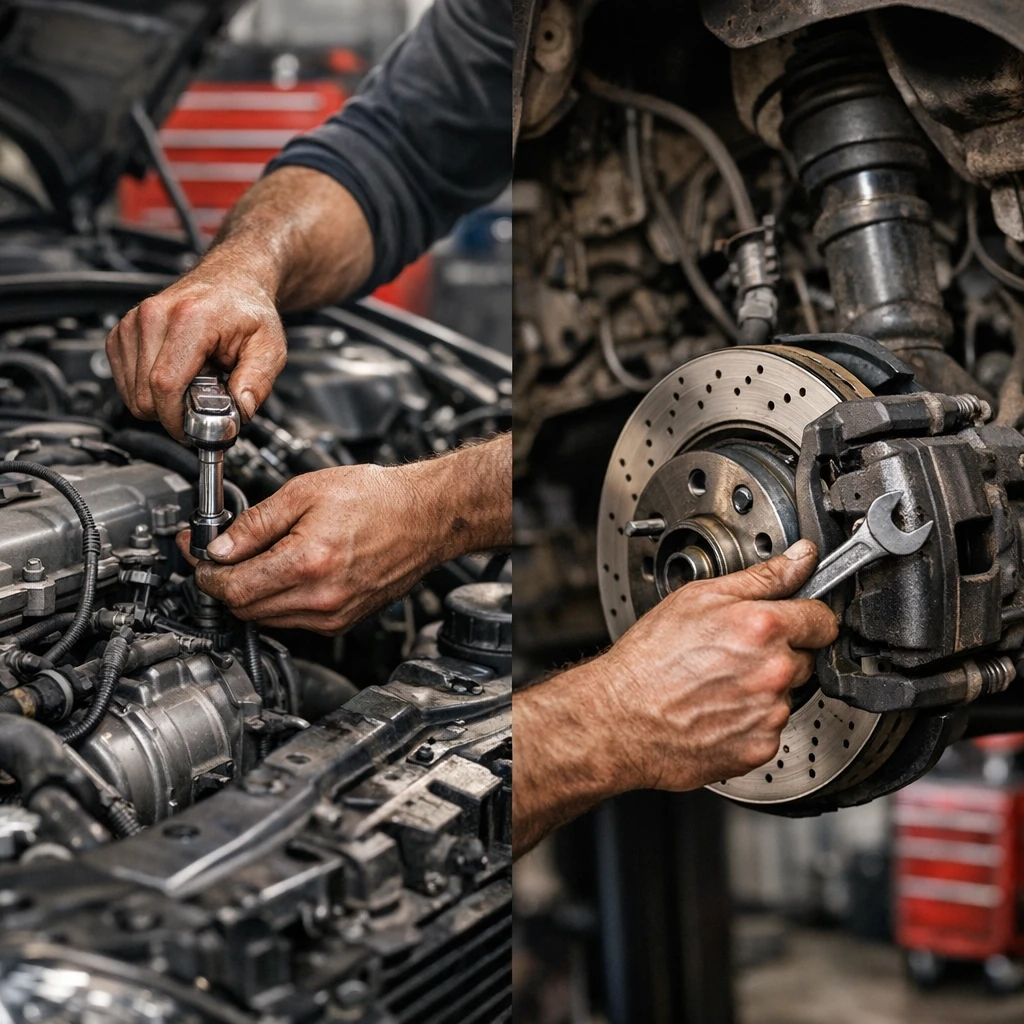
- Mechanical Repairs: Cover crucial parts like engines, brakes, suspension, transmission, and exhaust.
- Electrical Repairs: Include batteries, alternators, lighting, wiring, advanced sensors, and infotainment systems.
- Preventive Maintenance: Oil and filter changes, fluid flushes, tire rotation, alignments, and routine safety inspections.
- Diagnostics: Use computerized tools to scan, interpret, and troubleshoot modern vehicle systems.
Professional auto repair does more than just fix problems—it keeps your car running smoothly, protects your safety, and preserves the value of your investment.
Why Modern Vehicles Need More Than Just “Basic Repairs”
With technology in every corner—from anti-lock brakes to smart sensors—today’s vehicles require both hands-on expertise and digital skills.
Shops now use advanced diagnostics that spot issues faster and more accurately than ever before. For example, a simple warning light can mean anything from a loose gas cap to a failing catalytic converter—getting the right diagnosis first saves time and money.
How Choosing the Right Service Type Protects Your Car
Picking the correct category ensures your vehicle receives personalized attention, using methods that best fit its issue.
- For a shaky ride, you’ll need mechanical expertise—think suspension or brake repairs.
- Dashboard lights or strange electrical glitches? An electrical or diagnostic specialist is key.
- Want to avoid breakdowns altogether? Stick with a preventive maintenance plan, following your manufacturer’s schedule.
Quote-worthy tip: “Quality repairs today prevent costly surprises tomorrow.” It’s a philosophy that keeps Dallas drivers on the road, not stranded on the shoulder.
What to Expect from a Quality Auto Repair Experience
Transparency matters—professional shops provide clear estimates, honest recommendations, and explain every service in plain language.
Picture this: You’re handed a simple checklist after a courtesy inspection, complete with photos of worn parts. That’s service done right.
Modern auto repair isn’t just about wrenches and wires—it’s about trust, clarity, and a commitment to your peace of mind.
By understanding these core service categories, you put control back in your hands—making each repair a step toward safer, longer-lasting vehicle performance.
Mechanical Auto Repair Services
Professional mechanical auto repair services protect vehicle safety, engine performance, and long-term reliability for Dallas drivers facing brake, suspension, or transmission issues.
When your car experiences strange noises, rough rides, or loss of power, mechanical auto repair is often the solution.
These services focus on the heart of your vehicle—engine, transmission, brakes, suspension, steering, and exhaust systems—all vital for safe, dependable driving.
What Do Mechanical Services Cover?
Mechanical repairs address a wide spectrum:
- Engine trouble: Knocking sounds, oil leaks, worn timing belts, or faulty gaskets
- Brake wear: Squealing brakes, soft pedals, burning odors
- Suspension/Steering issues: Clunks over bumps, drifting, uneven tire wear
- Transmission symptoms: Slipping gears, rough shifts, fluid leaks
- Exhaust problems: Loud noises, excessive smoke, failed emissions tests
Each issue, left unchecked, can compromise safety and vehicle life.
“Every unusual sound or vibration is your car’s way of saying: please check me out.”
The Mechanical Repair Process
A professional auto repair shop takes a systematic approach:
- Diagnostics and inspection: Pinpointing the issue using digital or manual checks
- Parts replacement/repair: Fixing or replacing only what’s necessary
- Testing and quality control: Ensuring repairs deliver proper function and safety
Following the manufacturer’s recommended schedule (often every 12,000-24,000 miles) helps prevent emergencies and expensive breakdowns.
Key Mechanical Service Types
- Engine repairs: Cylinder head jobs, timing belt changes, fixing gaskets, stopping leaks
- Brake services: Pad and rotor replacement, fluid flushes, handbrake adjustment
- Transmission work: Fluid service, gearbox rebuild, clutch fixes
- Suspension/steering: Shock and strut swaps, tie rod replacements, alignments
- Exhaust/muffler repairs: Rust fixes, noise control, custom exhaust setup
“Quality mechanical repairs keep your car feeling new—mile after mile.”
Frequency and Cost Considerations
How often do these repairs come up?
- Brakes: Pads and rotors every 30,000-70,000 miles
- Timing belts: Often every 60,000-100,000 miles
- Suspension parts: Can last 50,000+ miles, but depend on road conditions
- Oil leaks, gaskets: Variable—always address leaks immediately
Costs vary by:
- Parts and labor complexity
- Severity of the problem
- Vehicle make and model
Transparent pricing and warranty-backed parts are central at Auto Clinique—no surprises, just honesty.
“Our commitment is simple: expert repairs, trusted service, and your peace of mind on every drive.”
Mechanical auto repair isn’t just about fixing problems—it’s about keeping your car at peak reliability, safety, and performance for every journey, whether you’re crossing Dallas or heading out on a road trip.
Electrical System Repairs and Diagnostics
Modern vehicles rely heavily on advanced electronics, making electrical auto repair and computerized diagnostics essential parts of today’s complete auto repair services.
Modern vehicles rely on increasingly sophisticated electrical and electronic systems for everything from starting up to advanced safety features.
The main components of your car’s electrical network include:
- Battery (power storage)
- Alternator (charges battery while driving)
- Starter (turns the engine over)
- Sensors (engine, emissions, tire pressure)
- Lighting (headlights, interior, signals)
- Charging system (regulates electricity flow)
When any of these parts fail or glitch, you might notice:
- Dim or flickering lights
- No-start issues or slow cranking
- Warning lights (check engine, battery, ABS, airbag)
- Power windows or infotainment systems not working
A dead battery, faulty alternator, or blown fuse can strand you—or leave you facing costly repairs if undetected.
Complexity and Computer Diagnostics
Today’s cars use more onboard computers and sensors than ever.
Roughly 40% of diagnostics now involve scanning the vehicle’s computer for codes that pinpoint issues in electrical systems.
Shops with professional-grade diagnostics equipment can:
- Read error codes
- Interpret system data
- Quickly identify root causes of electrical failures
This means faster, more accurate repairs—and fewer surprises on your bill.
Common Electrical Repairs
You’ll often see these electrical fixes on a typical repair invoice:
- Battery services: testing, replacement, corrosion cleaning, terminal repair
- Starter and alternator repairs: diagnosis, part replacement, circuit checks, solving slow start conditions
- Fuses and wiring: fixing shorts, restoring power to windows, mirrors, lighting, or charging ports
- Electronic systems: sensor replacements (O2, ABS, etc.), infotainment troubleshooting, advanced module reprogramming
A failing alternator might produce a squealing noise and cause battery drain, while a bad sensor could flash the check engine light and impact mileage or braking.
Diagnostic Service: Technology in Action
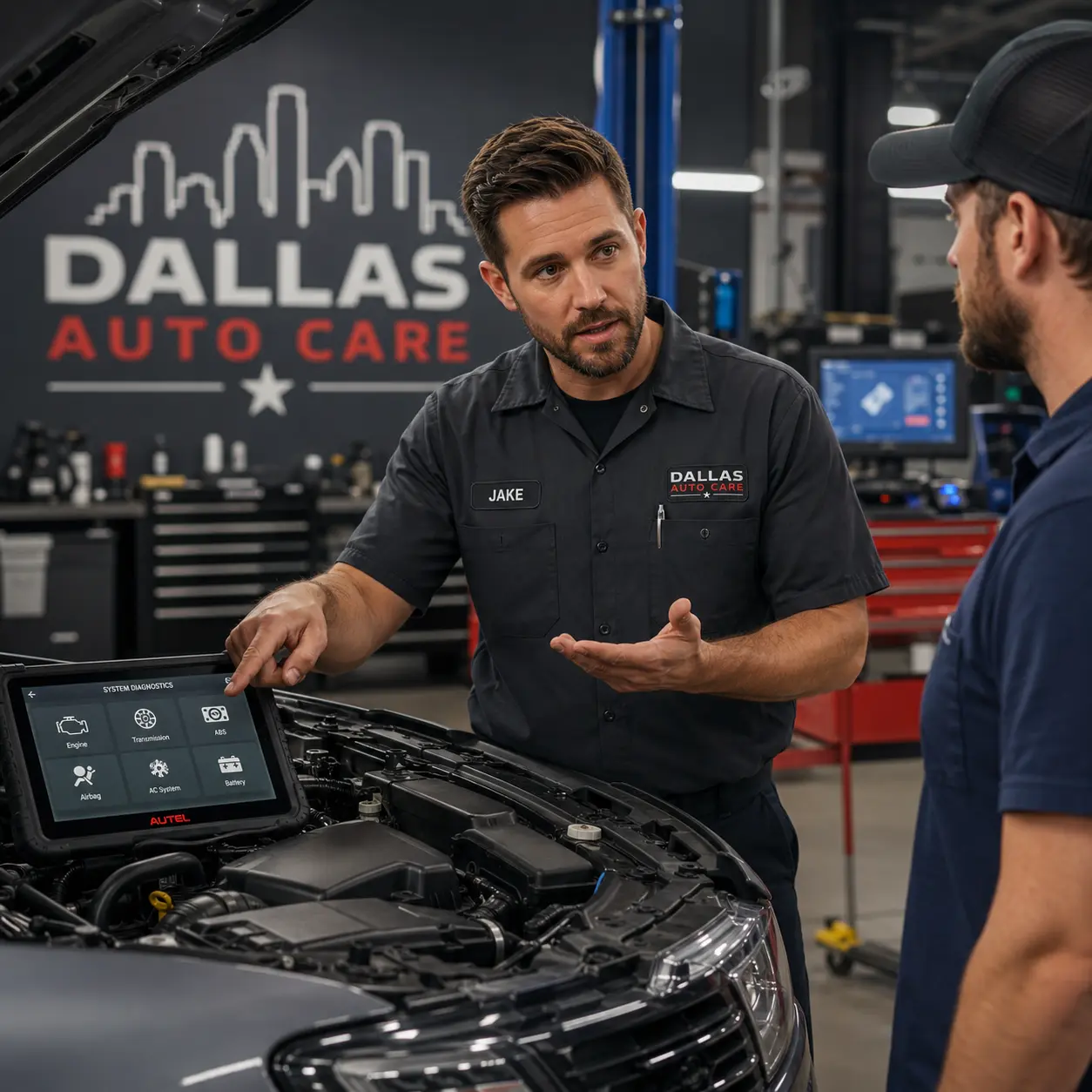
Imagine a technician connecting a professional tablet to your car’s OBD-II port—within seconds, your car “tells” them what’s wrong.
Computerized diagnostics involve:
- Scanning codes: Pulling fault codes from onboard modules
- Interpreting results: Comparing live data to manufacturer specs
- Explaining next steps: Outlining needed repairs in plain English
Expect clear conversations and photo or video walkthroughs that visually confirm problems before any work begins.
Professional shops believe, “You deserve to understand every repair—no surprises, just solutions.”
Picture this: You receive a digital copy of your diagnostic findings, complete with photos showing a faulty relay or corroded terminal—transparency you can see.
Prompt attention to warning lights and electrical problems can prevent sudden breakdowns and save money over the long run.
Knowing when to book an electrical systems check empowers you to keep your vehicle both safe and reliable—making every mile smoother.
Preventive Maintenance Services
Routine auto maintenance services help prevent unexpected breakdowns while extending vehicle lifespan and improving resale value.
Think of preventive maintenance as your vehicle’s regular wellness check—it’s how you keep your car running smoothly, safely, and reliably year after year. These services are not just about following a schedule; they’re about catching issues early, lowering lifetime repair costs, and maximizing vehicle longevity.
A recent industry survey showed that drivers who stick to preventive maintenance spend 40% less on unexpected repairs over five years.
Typical Maintenance Intervals
Manufacturers recommend specific services at key intervals to protect both performance and warranties:
- Every 3,000–12,000 miles: Oil & filter changes, basic inspections
- Every 6–12 months: Tire rotation, brake inspections, battery check
- Every 24,000+ miles: Transmission fluid, coolant, power steering service
Following these schedules means fewer breakdowns and better trade-in value.
Core Preventive Maintenance Tasks
Here’s what keeps your vehicle at peak health:
- Oil & filter changes: Essential every 3,000–12,000 miles for smooth engine operation; often paired with complimentary multi-point checks
- Fluid services: Regular flushing and refilling (brake, transmission, coolant, power steering) protects key systems from costly damage
- Tire services: Rotating, balancing, aligning, and checking tread prevents premature wear and boosts safety in all weather
- Belt and hose inspections: Early replacement of worn belts or cracked hoses helps avoid sudden, expensive breakdowns
- Battery and charging system checks: Proactively replacing weak batteries ensures you’re never stranded with a no-start
“Picture this: one routine oil change can reveal the early signs of an oil leak—saving you thousands in engine repair down the road.”
Maintenance Schedules and Service Plans
Sticking to your OEM maintenance schedule (interim, full, major service) builds a record of care that protects your warranty and raises resale value.
- Keep all service receipts and inspection notes—buyers and mechanics value a well-documented car
- Ask your shop for digital records; modern systems store everything for future reference
- Many shops bundle maintenance in prepaid plans, simplifying budgeting and ensuring you never skip a crucial service
Expert tip: “A $70 tire rotation today can save you from a $600 set of premature replacements.”
Preventive maintenance is about predictability and peace of mind—an investment in hassle-free driving, top performance, and the confidence that your car’s always ready for Dallas roads.
Specialized Auto Repair Services and Shops
Choosing specialized car repair services ensures your vehicle receives expert attention tailored to its exact repair needs.
Specialized auto repair shops bring precision, efficiency, and peace of mind to every repair. Choosing the right facility is all about matching your vehicle’s needs to a shop’s expertise, tools, and certifications.
Modern vehicles often demand niche tools and highly-trained professionals—for instance, a late-model sedan with a digital dashboard issue benefits from expert diagnostics, while a classic muscle car needs a machinist’s touch.
Picture this: your car’s AC fails in Dallas summer heat—do you go to a general repair center, or a shop with dedicated climate control equipment? The answer isn’t always obvious, but the difference affects repair speed, cost, and result quality.
Types of Auto Repair Facilities
Different repairs call for different shops, each with its own specialty:
- Quick lube/lubrication shops: Fast oil changes, fluid top-ups, and safety inspections, typically finishing services in under 30 minutes.
- Tire and wheel shops: Large tire inventories, sales, installations, alignments, and balancing for even tire wear and smooth rides.
- Muffler/exhaust shops: Custom exhaust fabrication, emission fixes, and noise reductions using specialized benders and welders.
- Auto body shops: Collision repairs, paint matching, windshield replacement, and paintless dent removal for a like-new finish.
- Engine machine shops: Precision machining for cylinder heads, performance tuning, and antique engine restoration by ASE-certified machinists.
- Mobile mechanics: On-site repairs, emergency diagnostics, and minor fixes—ideal when your schedule or vehicle won’t allow towing.
- Dealership service centers: Factory-approved warranty and recall work, plus brand-specific training for complex systems and electronics.
- Fleet shops: Maintenance and problem-solving for commercial fleets, taxis, and rentals where uptime and bulk efficiency matter most.
Choosing the Right Facility
For the best results, consider these factors before booking:
- Service type required: Brakes or tires? Go specialized. Unusual engine noise? Consider a machine shop.
- Vehicle make and model: Some shops cater to imports, hybrids, or classics, ensuring the right parts and expertise.
- Warranty and certifications: Seek out ASE or OEM-certified shops, which often honor your factory warranty and guarantee higher quality.
- Convenience and transparency: Professional shops offer clear estimates, explain every step, and back work with warranties—ask if they provide before/after photos or digital service records.
- “Not all fixes are equal—the right shop adds value long after the repair is done.”
- “A 30-minute oil change or a perfect paint match—the right specialty shop is the difference.”
- “Transparency and dedicated expertise build confidence behind every repair.”
Specialty shops aren’t just about tools—they’re about trust, skill, and consistently delivering outstanding results. When your vehicle needs focused attention, picking the right facility ensures safe, reliable, and long-lasting care every time.
Integrating Diagnostics and Modern Technology Into Auto Repair
Advanced diagnostic auto repair technology allows technicians to identify hidden vehicle issues faster and more accurately than traditional inspections.
Computerized diagnostics have revolutionized how auto repair shops find issues and keep you on the road.
Using advanced code scanners and digital systems, technicians can pinpoint problems—from simple battery failures to complex sensor glitches—within minutes rather than hours.
Speed, Accuracy, and More Than Just Error Codes
Picture this: your check engine light flashes on, but you have no clue why.
Modern diagnostics pull up real-time data so experts can quickly:
- Scan and interpret error codes from the engine, transmission, brakes, and electronic control units
- Test sensors and actuators on the spot for faults in fuel, emissions, and safety systems
- Detect electrical issues that once took hours to trace by hand
A single 20-minute scan can reveal whether you need a minor fuse replacement or a full-system overhaul—saving time, money, and guesswork.
Solving Today’s and Tomorrow’s Car Problems
The power of technology doesn’t stop at finding faults.
Consider these real-world scenarios:
- A Dallas driver’s hybrid won’t start—diagnostics show a faulty high-voltage battery module, no guesswork needed
- A luxury SUV arrives with random warning lights; a digital scan identifies a failing wheel speed sensor linked to ADAS safety features
- Fleet vehicles now receive remote condition reports using telematics—technicians spot issues before drivers notice anything wrong
Advanced diagnostics let you fix today’s problems and anticipate tomorrow’s.
Looking Ahead: Remote Monitoring and Digital Service Records
Auto repair is moving fast—future trends include:
- Remote diagnostics alerting owners to trouble before a breakdown
- Over-the-air updates patching software glitches, much like your smartphone
- ADAS calibration for lane-keep assist, adaptive cruise, and more
What does this mean for you?
- Digital service records make every repair transparent to both you and your technician
- These records boost resale value, help you track your vehicle’s health, and give instant proof of quality care
Modern diagnostics aren’t just about fancy tech—they’re about clarity, speed, and trust. With transparent results and digital histories, you get more reliable service and peace of mind every time you visit Auto Clinique.
Transparency, Quality, and Customer Care in Auto Repair
Choosing an auto repair shop is about more than just fixing a problem—it’s about trust, peace of mind, and knowing your vehicle is in expert hands.
Honesty, quality parts, and open communication are the pillars that define professional auto repair. When you walk into a reputable shop, you should expect clear pricing—no hidden fees, confusing terminology, or last-minute surprises.
“A good mechanic explains, not just repairs.” That means repair recommendations should make sense, whether you’re a car enthusiast or a first-time driver.
How Professional Shops Build Trust
Top repair shops commit to clear communication and transparent estimates from the first visit.
Look for these trust-building steps:
- Upfront estimates that spell out exact costs for labor and parts before work starts
- Before-and-after photos documenting repair progress and outcomes
- Warranty-backed repairs for added confidence (many shops offer 12-month/12,000-mile coverage or more)
- Regular updates via text or email, so there are no surprises at pickup
“Seeing your car’s worn brake pads side-by-side with the new ones makes the value of quality parts crystal clear.”
Explaining Repairs in Simple Terms
No one should leave confused after a service visit.
Top shops:
- Use easy-to-understand comparisons (think “this filter is like a mask for your engine”)
- Provide simple printouts, emails, or app-based summaries that outline what was fixed and why
- Answer questions until you feel completely comfortable—no rushed, jargon-filled explanations
Tools That Empower Customers
Today’s best repair shops give you more than receipts—they offer custom checklists and service templates so you can track vehicle care over time.
Picture this: After a major service, you get a digital checklist showing completed maintenance and what’s due next. These visuals make it easy to plan and budget, and they’re perfect for resale records.
Look for:
- Maintenance reminders tailored to your car and driving habits
- Interactive inspection reports with red/yellow/green indicators for each key system
- Reminders for seasonal checks—like A/C service before the Texas summer hits
“A transparent shop gives you the same tools and info they’d trust for their own family’s vehicles.”
When you see transparency, quality parts, and friendly guidance in action, you’ll never settle for less. The best auto repair isn’t just about the work done—it’s how informed and confident you feel every mile afterwards.
The Essential Guide: When to Seek Each Type of Auto Repair Service
Knowing when to schedule professional vehicle repair services can prevent small mechanical problems from turning into expensive breakdowns.
Knowing when to get professional auto repair isn’t just about saving money—it’s about protecting your safety, your car’s reliability, and your peace of mind.
Picture this: Your dash lights up right before a long Texas road trip. Do you need diagnostics, electrical work, or just an oil change?
If you’re experiencing issues or need expert help, explore our professional auto repair services in Dallas for fast, reliable, and warranty-backed solutions.
Match Symptoms to the Right Service
Use this quick checklist to identify which service category fits your situation:
- Strange engine noises, transmission slips, or leaks:
Mechanical Repair
- Electrical gremlins, dim headlights, battery/starter failure, warning lights:
Electrical & Diagnostic Services
- Spongy brakes, grinding sounds, steering pulls:
Mechanical (Brakes/Suspension)
- Sudden drop in power, check-engine light, poor fuel efficiency:
Diagnostics + Mechanical
- No visible problems, near a major mileage marker (6K/12K/24K miles):
Preventive Maintenance
- Heavy vibration, uneven tire wear, pulls to one side:
Tire/Alignment Shop
“If your car’s behavior changes, don’t wait—identify the symptom and get the right service fast.”
Proactive vs. Reactive: Stay Ahead of Costly Repairs
Proactive maintenance – like oil changes every 5,000 miles or following your OEM schedule—can help prevent surprise breakdowns and warranties lapses.
Reactive repairs are often stress-driven, urgent, and more expensive—think brake failures or engine trouble that leave you stranded on 635 in Dallas traffic.
“Preventive care is the real secret behind vehicles that go 200,000+ miles without skipping a beat.”
Dallas Drivers: Think Local
Heat waves, sudden thunderstorms, and construction debris make Dallas unique for car care.
Special tips for Dallas residents:
- Inspect tires and cooling systems before summer (overheating is a top callout).
- Weatherproof battery checks—batteries fail faster in Texas heat.
- After hailstorms, check for body and glass damage—local shops often fill up fast.
Timely Service Maximizes Vehicle Value
Routine care keeps your car running longer and safer.
Missed maintenance leads to costlier breakdowns and reduces resale value—service records are key when you sell or trade-in.
When in doubt, call your trusted local expert—a quick consult can save hours and hundreds of dollars. Knowing which category fits your need is the first step to driving worry-free.
complete auto repair services guide in Dallas

Choosing the Right Auto Repair Services for Long-Term Vehicle Reliability
Choosing the right auto repair service is about protecting your investment, your safety, and your peace of mind—knowing exactly where to turn when your vehicle needs care transforms stress into confidence.
With the right information at your fingertips, you can make empowered decisions, ensure longevity for your car, and experience a new standard of clarity and trust every time you visit the shop.
—
Key Takeaways for Dallas Drivers:
- Match your symptoms to the right service type—don’t ignore changes in performance or warning lights.
- Prioritize preventive maintenance to reduce costly repairs and maximize resale value.
- Choose professional shops with clear pricing and warranty-backed repairs for greater transparency.
- Keep digital and printed service records to track maintenance and show proof of care at resale.
- Ask questions and expect plain-language explanations—your understanding matters as much as the repair itself.
—
Your Next Steps:
- Check your owner’s manual and schedule any overdue basic maintenance like oil changes or inspections.
- Consult a trusted shop if you notice unusual symptoms—don’t wait for a breakdown to take action.
- Update your service records by requesting digital printouts after each visit.
- Plan ahead for Dallas’s weather by inspecting tires, batteries, and cooling systems before every season.
—
You deserve a repair experience built on honesty, expertise, and personal attention—a standard where every question gets answered and every service builds lasting confidence.
Because in auto care, clarity isn’t just comforting—it puts you in the driver’s seat, mile after mile.
“Invest in quality today, and every drive becomes a promise of safety, value, and peace of mind.”
According to the EPA vehicle maintenance guidelines, regular servicing improves fuel efficiency, reduces emissions, and extends your vehicle’s lifespan.
FAQs
What are the main types of auto repair services?
The main types of auto repair services include mechanical repairs, electrical repairs, diagnostics, and preventive maintenance.
Which type of auto repair service do I need?
It depends on your symptoms—strange noises need mechanical repair, warning lights need diagnostics, and routine care falls under maintenance.
How often should I schedule preventive auto repair services?
Most vehicles need maintenance every 3,000–12,000 miles depending on oil type and manufacturer recommendations.
Are diagnostic services worth it?
Yes, diagnostic auto repair services quickly identify problems and prevent unnecessary repairs.
Where can I find reliable auto repair services in Dallas?
Choose certified shops with strong reviews, transparent pricing, and warranty-backed services.