
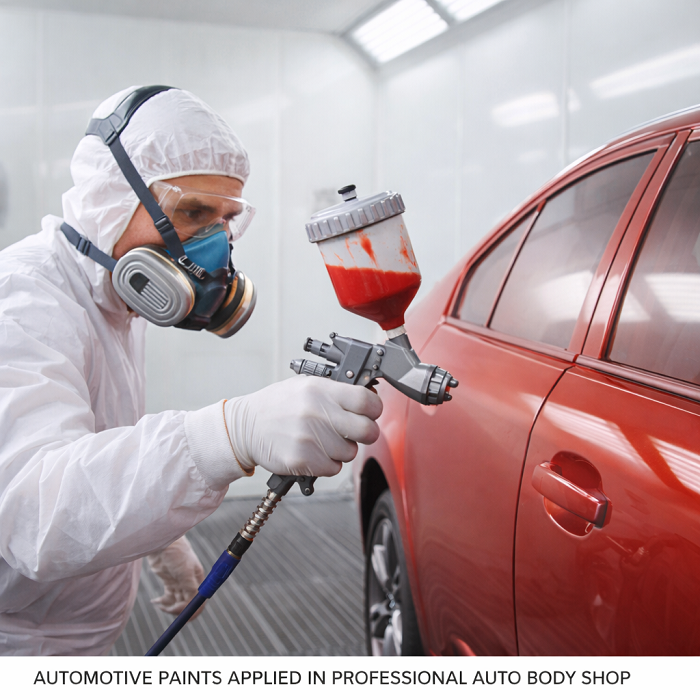
Types of automotive paints play a critical role in protecting your vehicle, enhancing its appearance, and determining long-term maintenance costs—especially in demanding climates like Dallas.
The latest innovations empower Dallas vehicle owners to balance durability, visual impact, environmental safety, and budget with ease. Here’s what you should know before your next repair or repaint:
- Understand Paint System Layers for maximum protection—modern cars use a primer, color basecoat, and clear coat, delivering both long-lasting defense and head-turning shine.
- Select the Right Paint Type by weighing performance and budget—urethanes last up to 10 years, while lacquers offer quick gloss for vintage projects but lack resilience.
- Go Eco-Friendly With Water-Based Paints to meet 2026 VOC regulations and enjoy up to 90% lower emissions—ideal for safety-conscious and environmentally-minded drivers.
- Match Paint System to Your Needs—single-stage is fast and cost-effective for commercial fleets, while basecoat/clearcoat systems provide superior shine and up to 5-year warranties for daily drivers.
- Boost Resale Value With Special Effect Finishes—metallic and pearlescent paints can add $300–$600 to your car’s worth, but expect higher maintenance and repair costs.
- Invest in Advanced Protective Coatings—graphene and ceramic layers double scratch resistance and weather protection, making your vehicle shine through Dallas storms year-round.
- Choose Professional Application for Complex Paints—urethane and multi-stage systems need pro-level handling for both safety and flawless results, while DIY is best for simple touch-ups or older vehicles.
- Balance Style With Practical Care—bold finishes create standout style but require frequent upkeep; solid colors are cheaper and easier to maintain for busy Dallas lifestyles.
Explore the full guide to discover which paint system, finish, and application method will truly help your car stand out—and stay protected—no matter where the Texas road takes you.
Introduction
Ever wondered why some cars hold that showroom shine for over 10 years, while others start to fade and chip after just a summer or two in the Dallas sun?
The answer isn’t just about color choices—it’s about picking the right automotive paint system for your vehicle, environment, and daily wear.
For Dallas drivers, where triple-digit heat, sudden hail, and busy city streets test your car’s finish year-round, a smart paint choice means more than just good looks. It’s your car’s first shield against rust, grime, and Texas-sized UV rays—and a key factor in both resale value and pride of ownership.
But with 2026 bringing new regulations on low-VOC paints, a surge in advanced coatings, and more options than ever before, even seasoned car owners are asking:
- Which paint type is actually built to last in our climate?
- Do eco-friendly paints really protect as well as traditional ones?
- How do finishes like metallic, pearlescent, and chameleon paints impact both maintenance and investment?
Here, you’ll get clear, expert guidance—no jargon, just what you need to know to sidestep costly mistakes and get the results you want.
Inside, you’ll find:
- A breakdown of every major automotive paint type—with real-world pros, cons, and where each works best
- Hands-on advice for choosing between single-stage, basecoat/clearcoat, and multi-stage systems based on your goals and budget
- The latest on 2026 paint trends, from eco-first formulations to high-tech, long-lasting coatings
- Tips for matching your paint to your driving needs, lifestyle, and future repair plans
At Auto Clinique, we believe expert care starts with informed choices. Whether you’re planning a quick touch-up or an all-out color change, understanding your options puts both protection and personality in your hands.
Ready to discover what really goes into the finish that stands up to Dallas roads and weather? See how today’s automotive paints work from the inside out—starting with the fundamentals that every car owner should know.
Understanding Automotive Paint Fundamentals
Automotive paint is more than a cosmetic upgrade—it’s your vehicle’s first line of defense against sun, rain, grime, and corrosion.
Every modern car wears a paint system engineered to deliver both lasting protection and custom style, whether your goal is head-turning shine or keeping rust at bay during tough Dallas summers.
What Makes Up Automotive Paint?
Think of car paint as a high-tech recipe, with each ingredient playing a crucial role. Typically, it includes:
- Pigments: Provide color and UV blocking
- Resin/Binder: Forms a tough layer that adheres to the car’s surface
- Solvents: Control how the paint flows and dries
- Additives: Boost features like durability, UV resistance, and brilliance
“Behind every glossy finish is a blend of chemistry and craftsmanship.”
Layers of Paint: More Than Just Color
The automotive paint system is a precise stack, applied in three layers:
- Primer: Bonds tightly to bare metal, preventing rust and corrosion
- Basecoat/Color Layer: Gives your car its shade and personality
- Clear Coat: Adds gloss, depth, and a shield against scratches and the Texas sun
Picture this—after a hailstorm, it’s often just the clear coat that saves your vehicle from expensive color repairs.
Chemistry That Stands Up to Real Life
Advances in paint chemistry have doubled down on durability and longevity.
- New resins now fend off chipping for up to 10 years
- UV blockers guard against sun-fade, a major concern in bright climates
- Eco-friendly water-based paints cut VOCs by up to 90%, keeping the air and your family safer
“Today’s paints are built to protect your investment, not just impress your neighbors.”
Modern systems empower car owners to expect lasting, low-maintenance protection and a finish that matches their personality—whether it’s a work truck, classic cruiser, or daily commuter.
A smart paint choice isn’t just about color; it’s the foundation of your car’s long-term value and eye-catching looks.
Major Types of Automotive Paints: Features, Pros, and Cons
Lacquer Paints: Fast Looks, Vintage Appeal
Lacquer paints are best known for their rapid drying time and mirror-like gloss.
These paints dominated car finishes until newer chemistries took over.
Today, you’ll mostly find lacquer on:
- Classic and vintage car restorations
- Custom projects where a quick, show-ready shine is the goal
But lacquer struggles in daily use:
- Low durability—chips and scratches happen fast
- Poor UV resistance—color fades under Texas sun
- Banned in some areas due to environmental impact
“If you want the gloss of yesterday, lacquer is your time machine—but don’t count on lifelong protection.”
Enamel Paints: Durable and Shiny, With Work
Enamel paints shine for their tough, glossy finish and strong resistance to everyday wear.
Commonly used by:
- DIYers focused on cost and moderate durability
- Professionals seeking long-lasting shine in classic repairs
Key features:
- Excellent adhesion and UV protection
- Longer drying times—can stretch a weekend job into a full week
- Requires multiple coats for a flawless, deep look
Downsides include:
- Repair/touch-up is less forgiving
- Final finish is dependent on patient, careful application
“Enamel turns time and attention into a finish that stands the test of years and miles.”
Urethane Paints: Modern Gold Standard
Urethane is the industry benchmark—it’s what most new cars wear today.
Why pros swear by it:
- Extreme chip and fade resistance
- Up to 10 years of performance with basic care
- Handles chemicals, road salt, and Texas summers
Considerations:
- Strict safety—urethane emits toxic fumes, so pro-level gear is mandatory
- Higher material and application costs, but often comes with 3- to 5-year warranties
“Choose urethane if you want pro quality and protection that outlasts the competition.”
Acrylic Urethane Paints: User-Friendly Hybrid
Acrylic urethane mixes the speed and ease of acrylic with the endurance of urethane.
Perfect for:
- Skilled DIYers ready to level up home projects
- Shops aiming for premium results without the wait
You’ll notice:
- Faster drying than classic enamels
- Smooth, durable finish that appeals to perfectionists
But,
- Best in experienced hands—dries too fast for beginners
“Acrylic urethane is the home mechanic’s ticket to pro-level results—practice makes perfect.”
Water-Based Paints: Eco-First, Future-Ready
Water-based automotive paints are now essential, especially with VOC regulations tightening in 2026.
Expect:
- Low emissions and easy cleanup—just soap and water
- Vibrant color choices that match manufacturer standards
- Regulatory approval in more localities every year
Cons to consider:
- Needs a protective clear coat for lasting shine
- Dries slower than solvents, but is friendlier to people and the planet
“Water-based paints bring bright colors and cleaner air—an easy win for eco-conscious drivers.”
—
Knowing the strengths and weaknesses of each paint type lets you match the right finish to your car, your style, and your budget. Whether you’re after showroom shine, rugged resilience, or eco-friendly upgrades, there’s a formula made for you.
Paint System Configurations: Application Methods and Results
How Paint Choices Shape Your Repair
Choosing the right paint system configuration can dramatically affect both the look and durability of your vehicle’s finish.
Modern paint integrates seamlessly with repair workflows—and knowing your options helps ensure long-term satisfaction and value.
Picture this: a work truck needing quick turnaround, a daily driver demanding years of shine, or a luxury car requiring depth and brilliance. Each scenario calls for a different approach.
Single-Stage Paint Systems: All-in-One Simplicity
Single-stage paints blend color and shine in one application.
Popular in commercial vehicles and budget-focused repairs, this option stands out for:
- Fast application and reduced labor costs
- No need for separate clearcoat—one-and-done workflow
- Common use with solid, nonmetallic colors
However, you trade off depth of finish and overall protection. These coatings don’t offer the dimensional shine or resilience against scratches and UV that modern multi-stage systems provide.
Memorable tip: “One application means quick results—but less protection. Think efficiency for work trucks, not show cars.”
Basecoat/Clearcoat Systems: The Modern Gold Standard
The basecoat/clearcoat system uses a two-stage process:
- Basecoat—delivers color and effect pigments
- Clearcoat—adds gloss, depth, and vital protection
Benefits include:
- Superior shine and visual depth (think showroom finish)
- Maximum protection against UV rays, chemicals, and weather
- Broad color and effect options—metallics, pearls, and more
These systems are now standard for most new vehicles, especially in climates like Dallas where UV protection matters. Expect moderate to advanced labor skill, with costs ranging from $800 for standard jobs to over $1,400 for premium finishes with 5-year warranties.
Social share moment: “Two steps, double the brilliance—basecoat/clearcoat is the secret behind modern vehicle shine.”
Tri-Coat & Multi-Stage Systems: Showpiece Perfection
Tri-coat and multi-stage systems are crafted for luxury or custom projects.
Workflow includes:
- Basecoat for color
- Midcoat with special effects (pearlescent, translucent, or chameleon pigments)
- Clearcoat for maximum depth and protection
This system builds a three-dimensional, shimmering effect that upgrades curb appeal but requires expert application and precise color matching for repairs.
Premium tri-coats are a go-to for high-end brands, offering the ultimate in appearance and resale value. Keep in mind: “The more stages, the greater the brilliance—but also the challenge (and cost) of future repairs.”
Key Takeaways for 2026 Car Owners
Selecting your paint system is about balancing protection, appearance, and budget.
- Single-stage is for speed and affordability
- Basecoat/clearcoat brings modern shine and resilience
- Tri-coat/multi-stage achieves luxury visual effects
Smart selection ensures your vehicle matches your needs—whether doubling as a daily workhorse or turning heads on the boulevard.
The right system protects your investment and showcases your car’s unique style, every time you hit the road.
Special Effect Finishes and Advanced Pigments
The finish you choose for your vehicle isn’t just about color—it’s about long-term value, care, and the impression your car makes on the road.
From classic gloss to eye-catching chameleon effects, special effect paints can dramatically influence resale value and required maintenance. A striking finish can draw second glances or demand more frequent touch-ups.
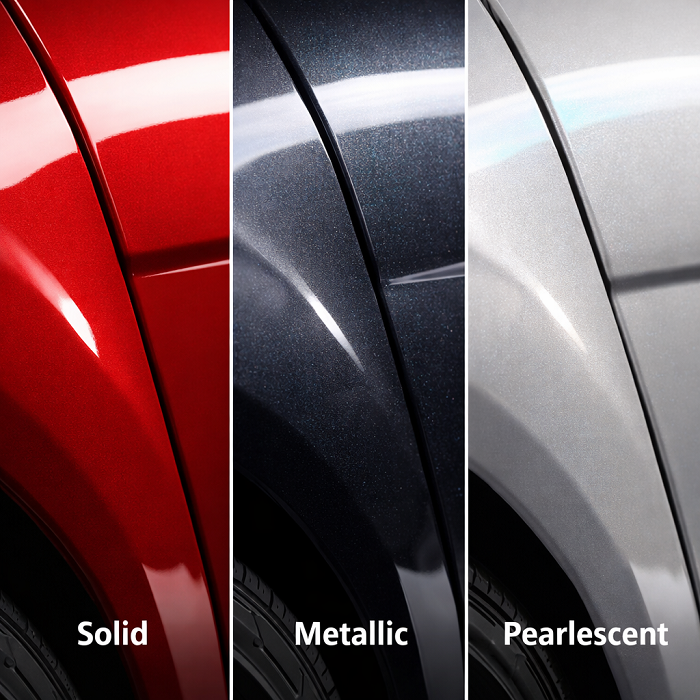
Solid Pigments vs. Metallic vs. Pearlescent
When selecting a paint, knowing the key differences in pigment types is essential for both appearance and future upkeep.
- Solid Pigments:
- Offer strong, vibrant color with consistent coverage
- Easier and cheaper to repair after scratches or chips
- Typically found on standard models and cost-friendly upgrades
- Metallic Finishes:
- Contain fine aluminum flakes for a shimmering, dynamic effect
- Enhance resale value and help hide minor imperfections in sunlight
- Require specialty products for cleaning and are harder to match in touch-up repairs
- Pearlescent Paints:
- Microscopic mica particles create depth and iridescence (“pearls”)
- Highly desirable for luxury vehicles and show cars
- More expensive to repair or match; minor flaws become more pronounced
A recent market review showed metallic finishes can add $300–$600 to a vehicle’s value, while pearlescent options may add even more—but expect increased maintenance.
Special Effect Pigments
If you want your vehicle to stand out, new-generation pigments—like “chameleon” and “flip-flop” paints—are setting 2026’s trends.
- Chameleon/Flip-Flop Paints:
- Shift color dramatically depending on light or viewing angle (picture a car turning from blue to green as it drives by)
- Preferred for custom builds and car enthusiasts wanting unique, show-stopping looks
- Other Advanced Effects:
- “Iridescent chromatic” and temperature-sensitive finishes create ever-changing visuals
- These coatings are mainly cosmetic upgrades, not functional enhancements
Special effect paints can increase labor and repair costs by 25% or more, given the artistry and materials involved. For drivers who log heavy miles or park outdoors, practicality may outweigh the wow factor.
Visual Impact Meets Practical Considerations
Choosing your paint finish means balancing wow-factor with the realities of maintenance, repair, and value.
The right finish not only transforms your vehicle’s look, but also dictates how often you’ll be waxing, touching up, or explaining streaks after a trip through the car wash. For those chasing head-turning style, today’s effect pigments are unmatched—but going bold comes with a commitment to regular care and a bigger repair bill.
Boil it down: your finish is your car’s signature—just be sure it aligns with your lifestyle and willingness to maintain that signature shine.
Comparative Analysis: Performance, Cost, and Environmental Impact
Making an informed automotive paint choice depends on how each type performs, its cost, and its impact on the environment. With durability ranging from just a few years to a decade, the right match matters as much for longevity as for appearance.
Quick-Scan: Side-by-Side Paint Comparison
Use this chart to compare the most popular automotive paint types—instantly.
| Feature | Lacquer | Enamel | Urethane | Water-Based |
|———————-|———|——–|———-|————-|
| Durability | Low | High | Very High| Med-High |
| Drying Time | Fast | Slow | Fast | Slow |
| UV Resistance | Poor | Excell.| Excell. | Good |
| Application | Easy | Mod. | Hard | Mod. |
| Cost | Low | Low-Med| High | Med-High |
| Eco-Impact | High | Mod. | High | Low |
| Feature | Lacquer | Enamel | Urethane | Water-Based |
|---|---|---|---|---|
| Durability | Low | High | Very High | Medium-High |
| Drying Time | Fast | Slow | Fast | Slow |
| UV Resistance | Poor | Excellent | Excellent | Good |
| Application | Easy | Moderate | Hard | Moderate |
| Cost | Low | Low-Medium | High | Medium-High |
| Eco-Impact | High | Moderate | High | Low |
Tip: If you want your finish to last through Dallas summers or tough commutes, urethane leads for resilience and UV protection.
Performance and Longevity
Not every paint stands up to the same challenges. Here’s what Dallas drivers and enthusiasts should know:
- Lacquer: Best for show cars or vintage projects—needs garage parking and frequent care. Typical lifespan: 2-3 years.
- Enamel & Urethane: For daily drivers, urethane boasts up to 10 years of shine with proper upkeep, and often includes a 4-year warranty.
- Water-Based: Low on toxins, preferred in eco-focused shops; similar lifespan to enamel but needs a clear coat for real-world protection.
“A paint job that matches your climate and usage is a paint job that lasts.”
Cost Factors and Value Analysis
Pricing surprises many owners. Here’s what to expect:
- Lacquer and Enamel: Low to moderate material costs; lacquers from $100–$300, enamels average $250–$600.
- Urethane: Premium (material and pro labor), from $500–$2,000+, but includes longer-lived results and better warranties.
- Water-Based: Middle of the road—material costs $400–$1,300, plus labor for additional clearcoat steps.
- Total cost is shaped by:
- Number of coats and prep work
- Required tools and protective gear
- Pro vs DIY labor hours
“Premium paints usually require premium prep and skill—budget for both.”
Environmental and Regulatory Considerations
Today’s top trend is low-VOC, water-based paint—mandated in many states for cleaner air.
- Water-based paints release up to 80% fewer harmful fumes than standard urethanes.
- Most shops now use advanced ventilation and disposal systems to stay compliant and safe.
- Local regulations may restrict lacquer use or require permits for solvent-based painting.
Choosing eco-friendly paints isn’t just about compliance—it protects your health and community, too.
The smartest decision for your car combines performance, budget, and environmental goals—so match paint type to your vehicle’s real needs, and never underestimate the impact of skilled, safe application.
2026 Automotive Paint Trends and Innovations
Automotive paint technology is racing ahead in 2026, driven by demands for durability, eco-friendly formulations, and advanced protection. Whether you’re a DIY enthusiast or a professional shop, staying updated means longer-lasting results and peace of mind on every finish.
Sustainable and Eco-Friendly Paints
Water-based and natural-material paints are now the top picks for quality repairs that care for both vehicles and the environment.
You’ll notice these eco-forward options are:
- VOC-compliant, aligning with tighter air quality regulations nationwide
- Safer for workers, as they emit fewer toxic fumes
- Easier to clean up, needing only water, not harsh chemicals
70% of new OEM vehicles in North America roll out with water-based paints, and more collision centers are investing in compliant spray booths to match.
If you picture a technician applying a sleek coat, imagine clear air—no harsh odors—and vibrant color that pops under Dallas sunlight. This is the modern shop experience.
Quote it: “Today’s green paints deliver color brilliance—without compromising air quality or worker health.”
Advanced Protective Coatings
High-tech layers like graphene and ceramic coatings are reshaping paint protection in 2026.
Benefits for busy Dallas commuters and car lovers include:
- Exceptional scratch resistance
- Chemical shielding against road salt, bird droppings, and more
- Up to twice the gloss compared to traditional clearcoats
Graphene coatings in particular bond so tightly to paint that water beads and slides right off—ideal for those unpredictable Texas storms. Expect a cost increase (about 20-30% over standard clear coats), but with durability that often extends professional paintwork warranties by up to 5 years.
Visual cue: Picture rainwater gliding off a gloss-black hood, the finish unharmed by weeks of sunshine or storm.
Quote it: “A graphene coating isn’t just protection—it’s a showroom-worthy finish for the real world.”
The Takeaway
2026 is all about smarter, safer, and longer-lasting paint solutions. Choose eco-friendly paints for cleaner repairs or upgrade to graphene coatings for unbeatable protection—either way, your vehicle’s finish and your peace of mind get the attention they deserve.
Smart Paint Selection: Matching Paints to Vehicles and Conditions
Choosing the right automotive paint means balancing durability, appearance, and budget with how and where your vehicle is used.
A smart choice can keep your car looking great for up to 10 years, with some professional finishes carrying warranties as long as 5 years.
“Paint isn’t just color—it’s protection. Every mile and every climate puts your finish to the test.”
Factors to Consider
Start by pinpointing your needs:
- Vehicle Type: Daily commuter, luxury sedan, rugged off-roader, or classic collector? For example, a urethane system is ideal for work trucks braving gravel, while multi-stage clearcoats bring luxury vehicles an unmatched shine.
- Driving Environment: Think about Dallas sun, hail season, icy roads, or constant dust—each demands different paint resilience.
- Finish & Maintenance: Do you want a low-maintenance matte, a dazzling pearl, or something that hides grime? Be honest about your willingness to wax or repair chips.
- Budget: Material costs can range from $200 for DIY enamel packs up to $1,500+ for high-end, warrantied finishes.
“Picture this: A collector’s ‘68 Mustang getting a period-correct lacquer, and a modern SUV protected by tough, fade-resistant urethane.”
Decision-Making Checklist
Before you buy or schedule a repair, run these quick checks:
- Match paint type to vehicle usage: Is longevity or look more important?
- Check climate compatibility: Ensure UV or rust protection if in harsh sun or snow zones.
- Scrutinize product claims: Look for real service life numbers—“up to 10 years”, “withstands 400°F brake dust,” or “VOC-compliant for eco-safety.”
- Factor in future repairs: Special effect or multi-stage finishes may cost more to touch up.
- Review your tools: Do you have a ventilated space, quality sprayer, and the right safety gear?
Professional vs. DIY Application
Some paints work well for home touch-ups—think single-stage enamels or water-based kits.
Others—like urethanes—require:
- Professional handling due to toxicity
- Controlled spray environments
- Advanced equipment for consistent results
DIY is doable for small jobs or older vehicles. But for high-value or showroom-ready finishes, a professional delivers the depth, protection, and even warranties you just can’t match at home.
“Want that flawless finish under the Texas sun? Sometimes, expert hands are your best defense.”
For complex projects or if you’re unsure of the right system, consult an expert—ensuring every layer is, literally, covered.
The right paint isn’t just a color; it’s an investment in protection and pride. Matching your needs, climate, and expectations leads to a finish that’s as dependable as it is stunning.
automotive paint protection options
Conclusion
Choosing the right automotive paint isn’t just about looks—it’s about protecting your investment and driving with confidence every day.
A well-selected paint system delivers real advantages: from lasting shine to unmatched defense against Texas weather. This is your first—and best—line of protection for your vehicle’s value, pride, and performance.
—
Here’s how you can put this guide into action right now:
- Prioritize the paint type that matches your vehicle’s use—work truck, commuter, or show car—so every mile looks its best.
- Opt for a finish that fits your lifestyle: balance wow-factor colors with the maintenance you’re willing to commit to each season.
- Check for eco-friendly and VOC-compliant options before your next paint job to help protect both your family and your community.
- Consult a trusted professional like Auto Clinique when tackling advanced paint systems or special effects to ensure warranty-backed results.
- Budget for quality, not just color—investing in the right system today means fewer costly touch-ups down the road.
—
Ready to take the next step?
- Assess your daily driving environment—sun, hail, or dust—and align your paint choice for real-world durability.
- Connect with a local expert for a personalized paint system recommendation and transparent quote.
- Book a professional consultation or drop by Auto Clinique to see modern paint finishes firsthand.
—
Your automotive paint decision shapes every drive, every glance, and every resell. When you invest in the right paint, you invest in years of protection, satisfaction, and curb appeal.
“A flawless finish is more than a color choice—it’s peace of mind, mile after mile. Trust your vehicle to the experts, and let every road be your runway.”
Environmental Protection Agency automotive paint regulations
FAQs
1: What are the main types of automotive paints?
The main types of automotive paints include lacquer, enamel, urethane, acrylic urethane, and water-based paints, each offering different durability, cost, and environmental impact.
2: Which type of automotive paint lasts the longest?
Among all types of automotive paints, urethane paints provide the longest lifespan—often up to 10 years with proper maintenance.
3: Are water-based automotive paints durable?
Yes. Modern water-based options are among the most advanced types of automotive paints, offering strong color accuracy and eco benefits when paired with a clear coat.
4: What type of automotive paint is best for hot climates?
Urethane and basecoat/clearcoat systems are the best types of automotive paints for hot climates due to superior UV resistance.
5: Can I apply automotive paint myself?
Some types of automotive paints, like single-stage enamel, can be DIY-friendly, but urethane systems require professional equipment and safety controls.